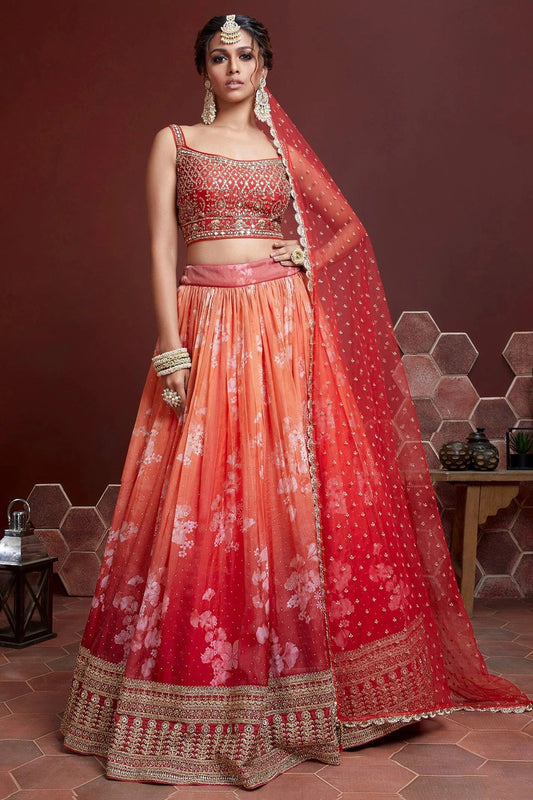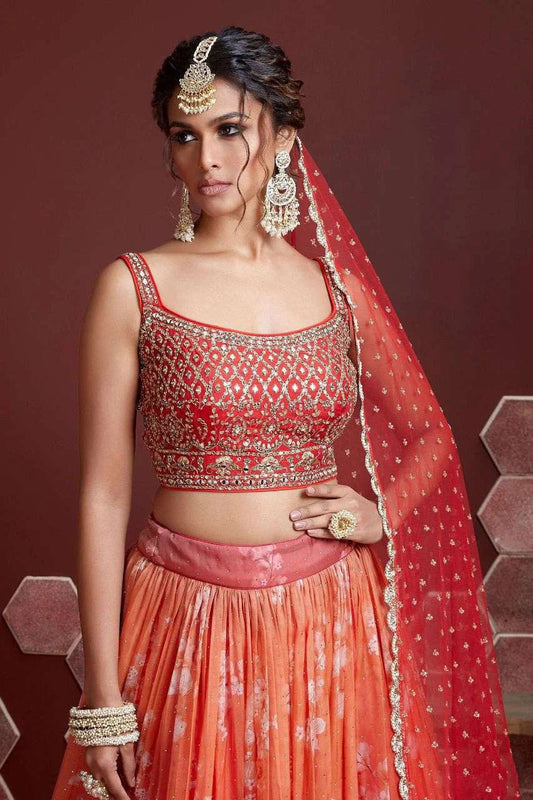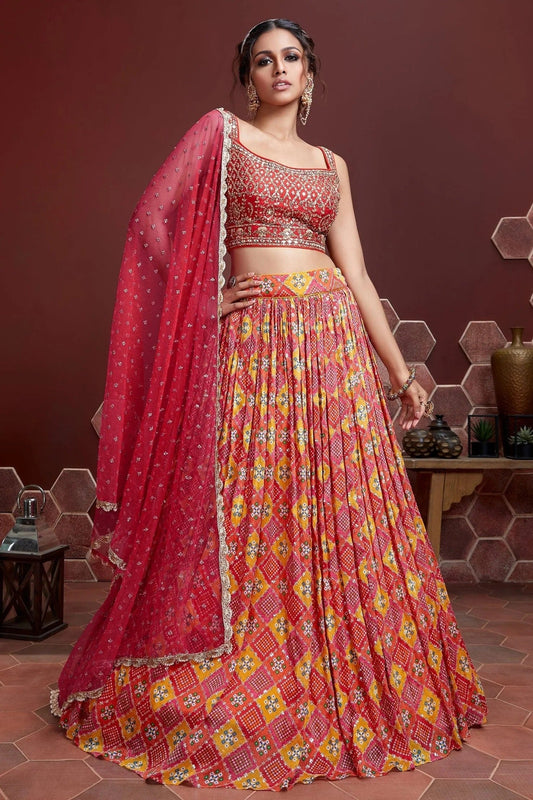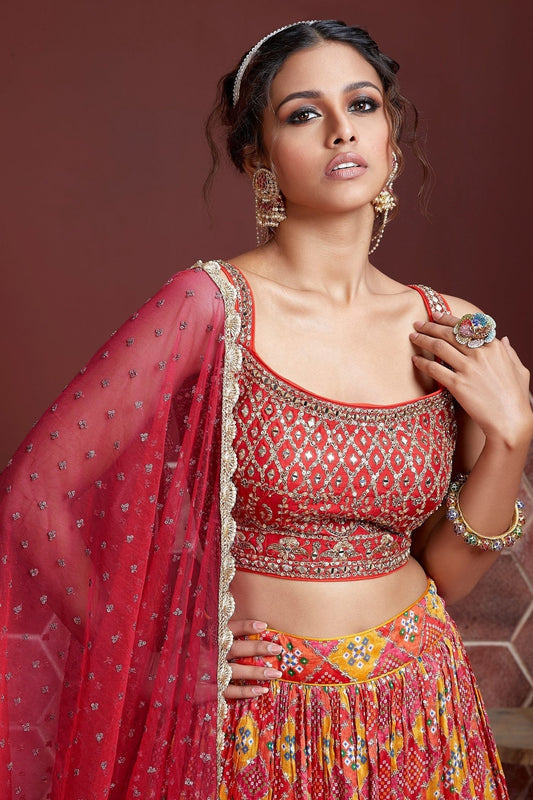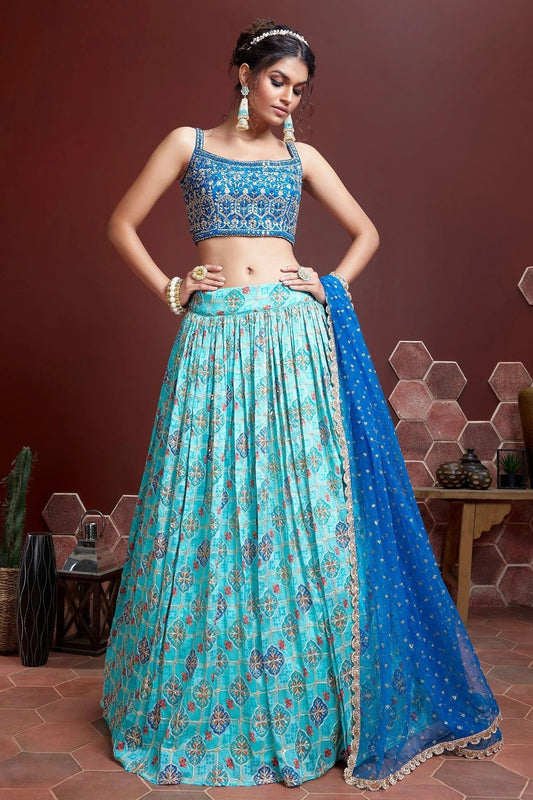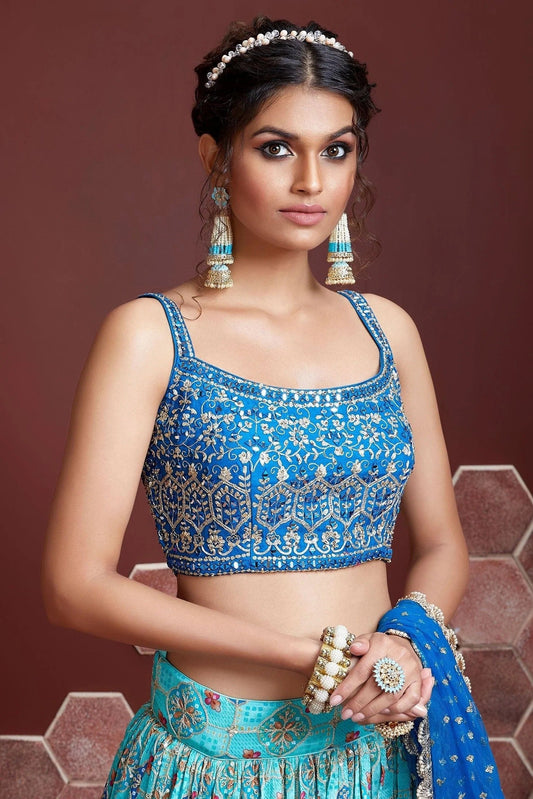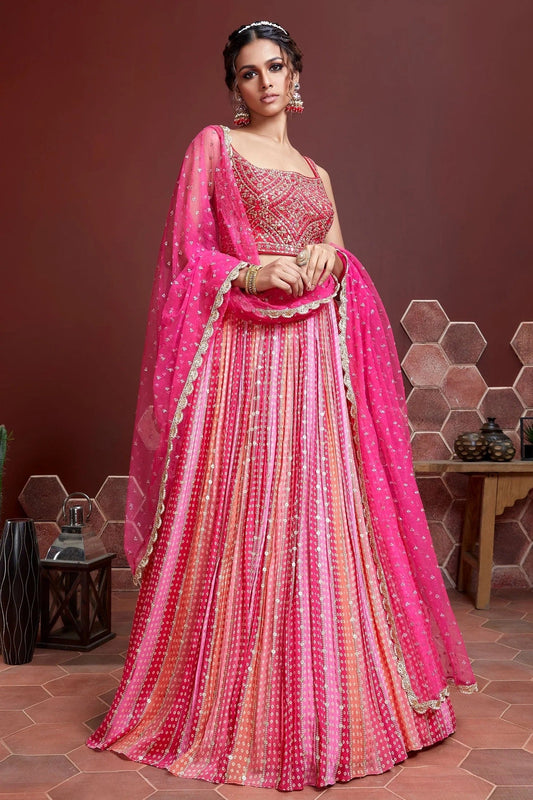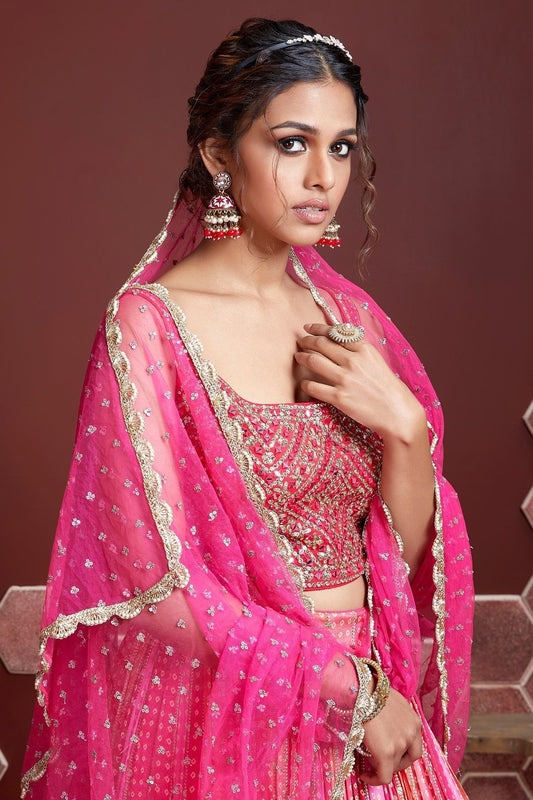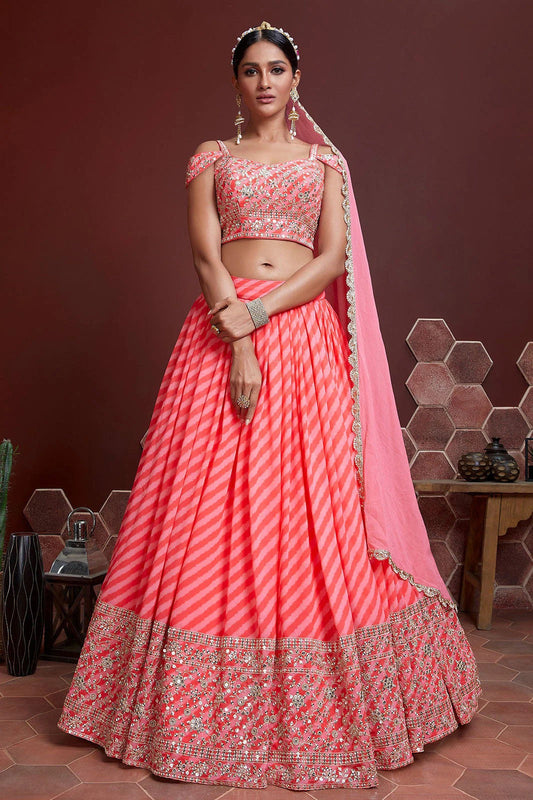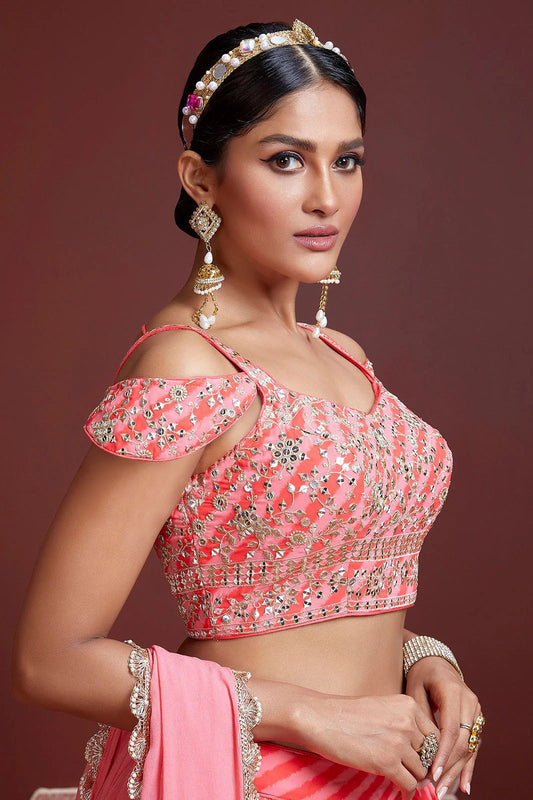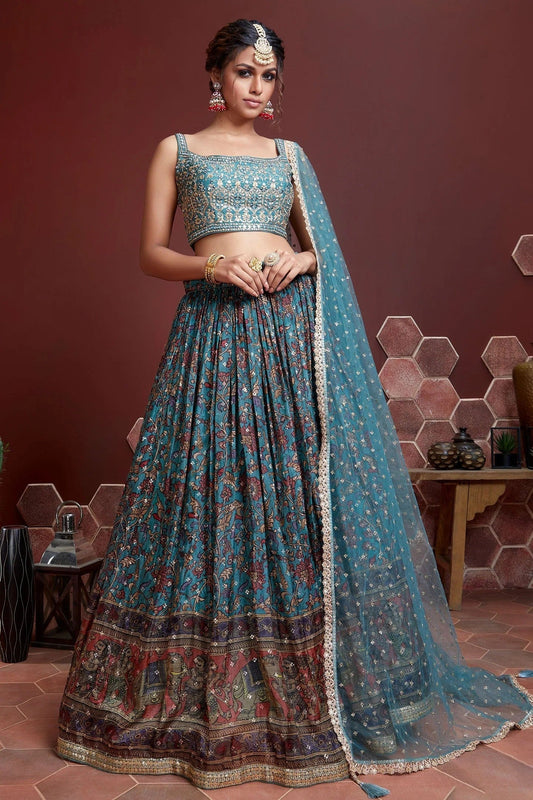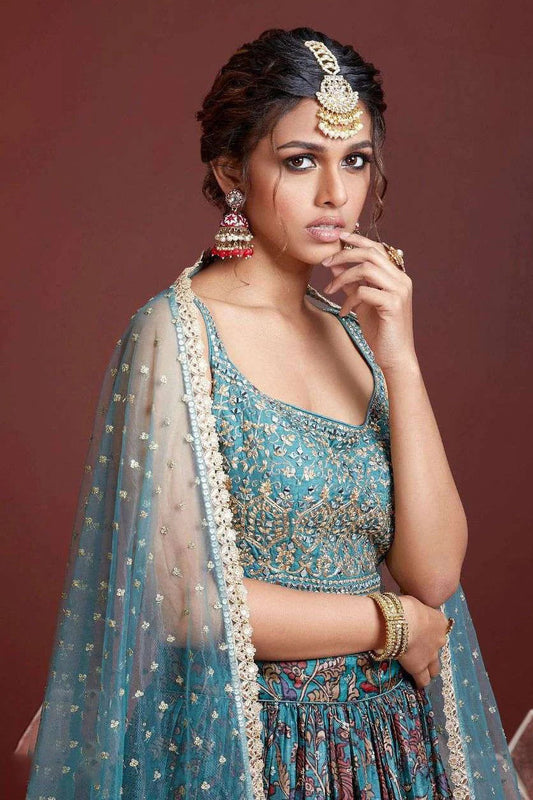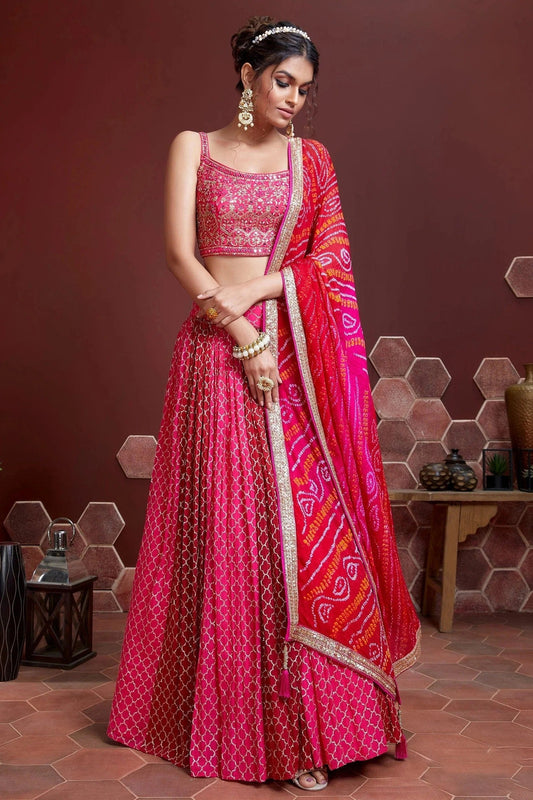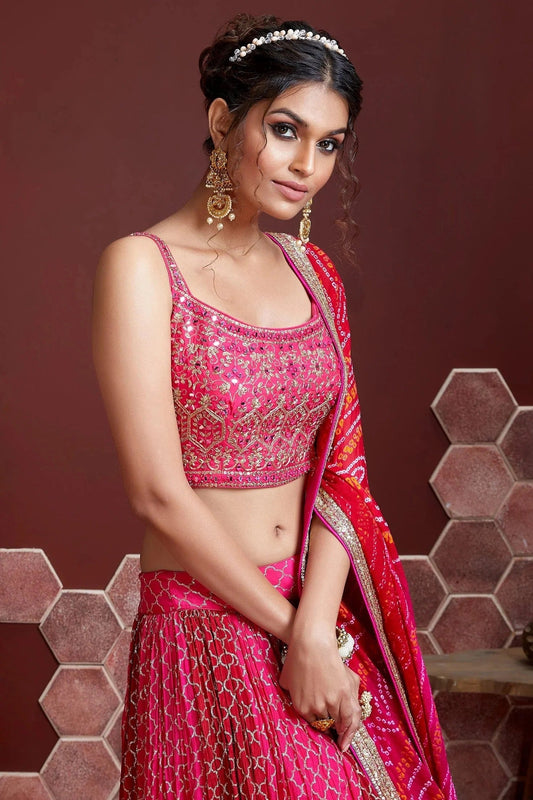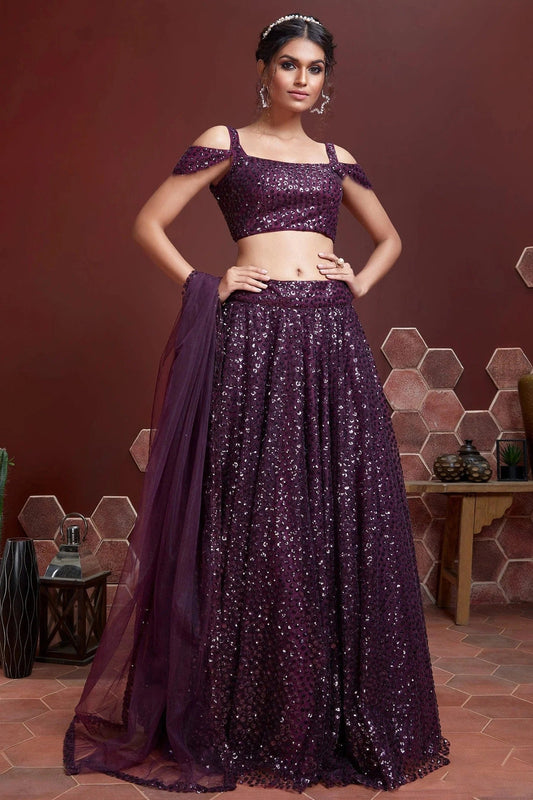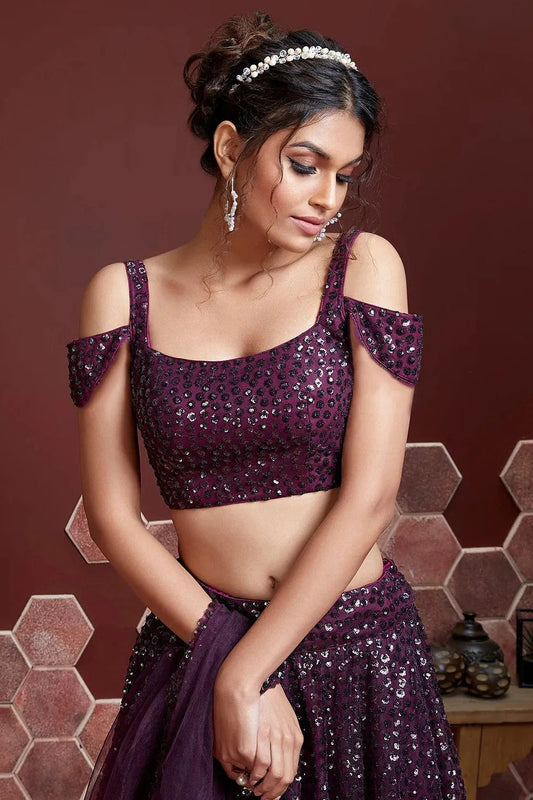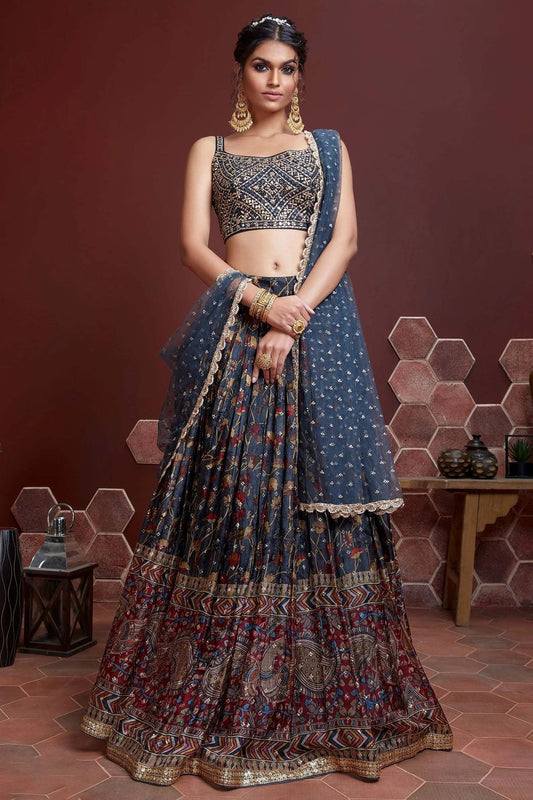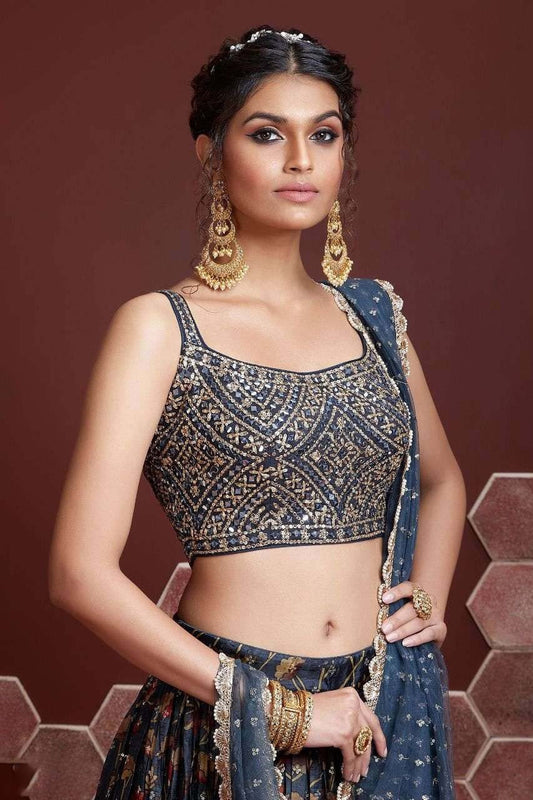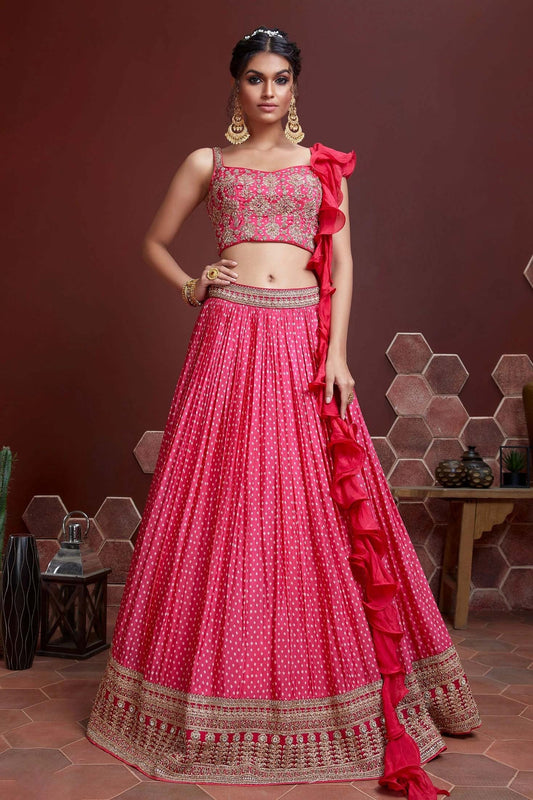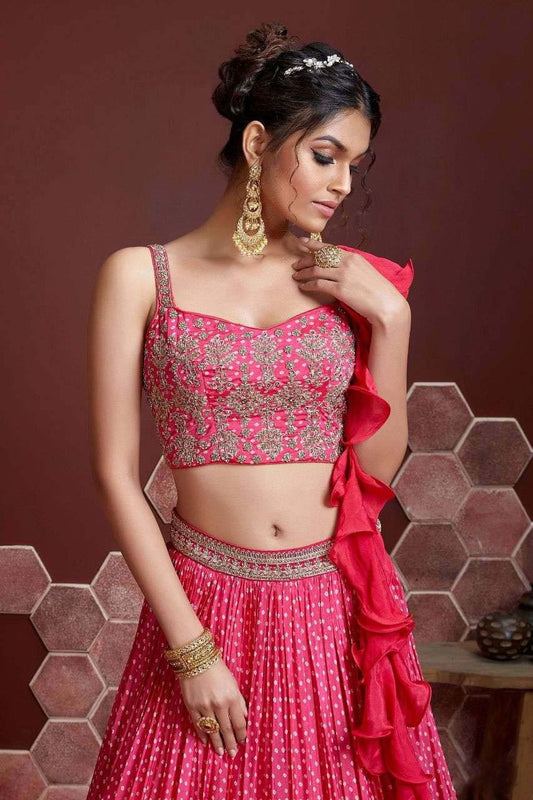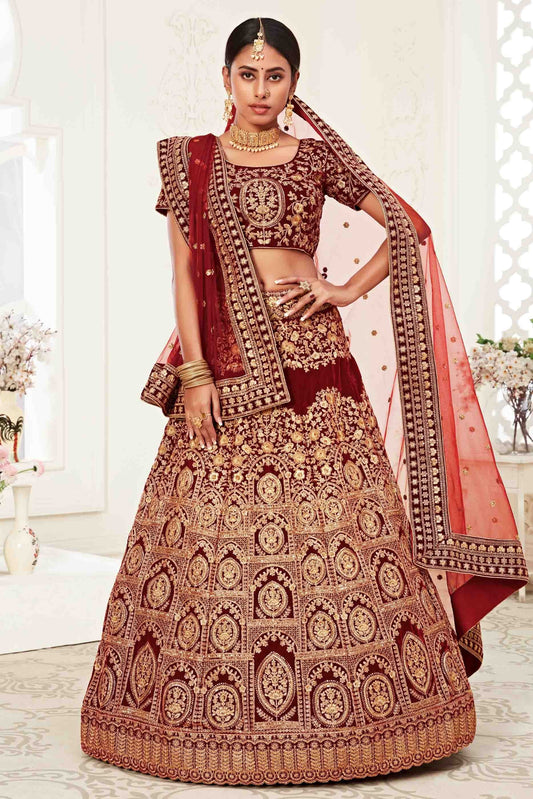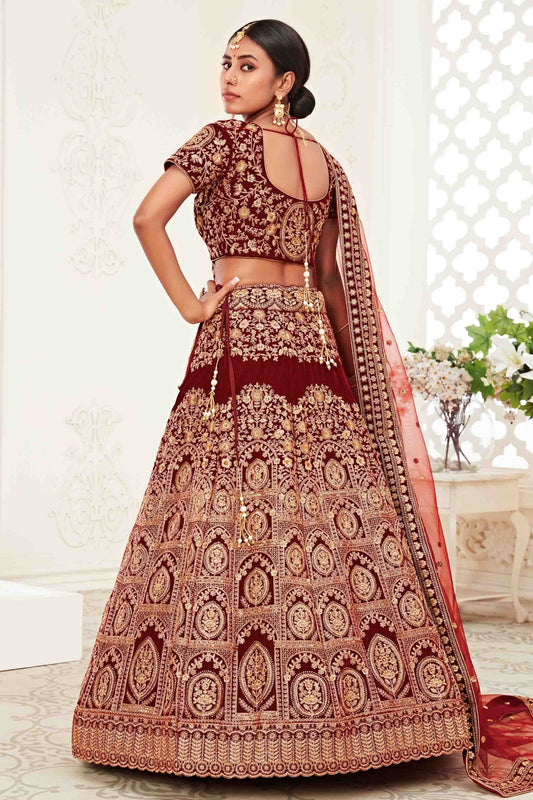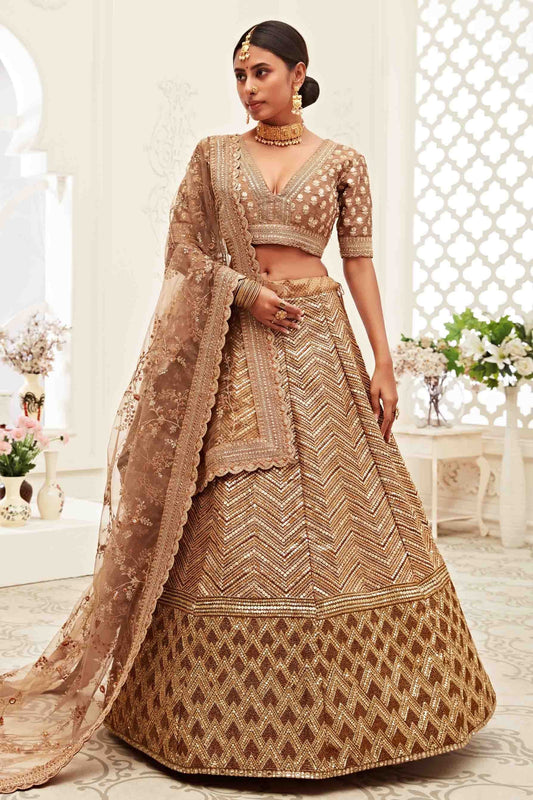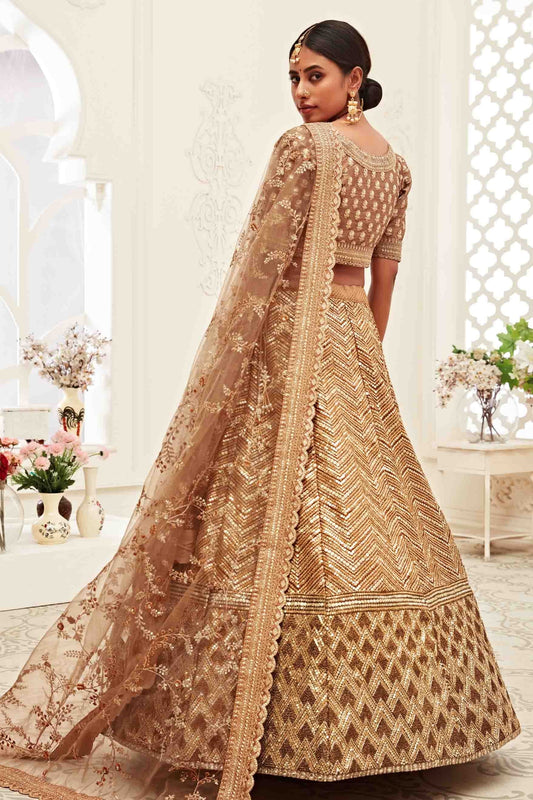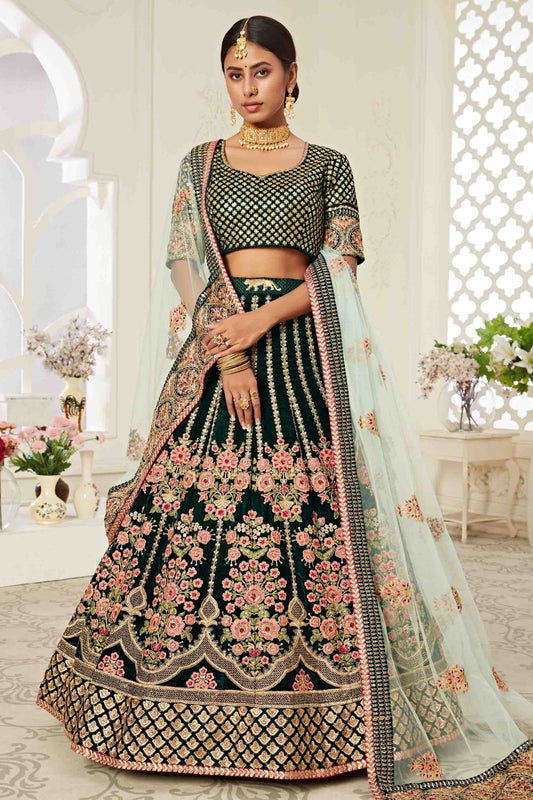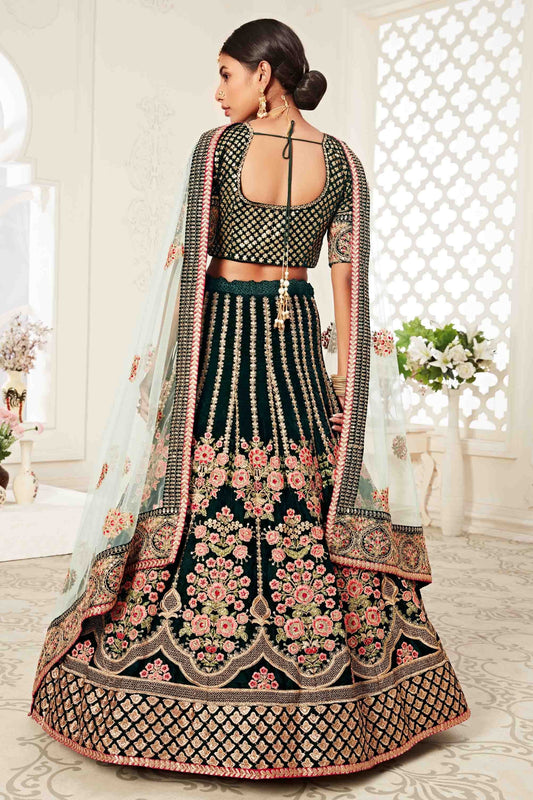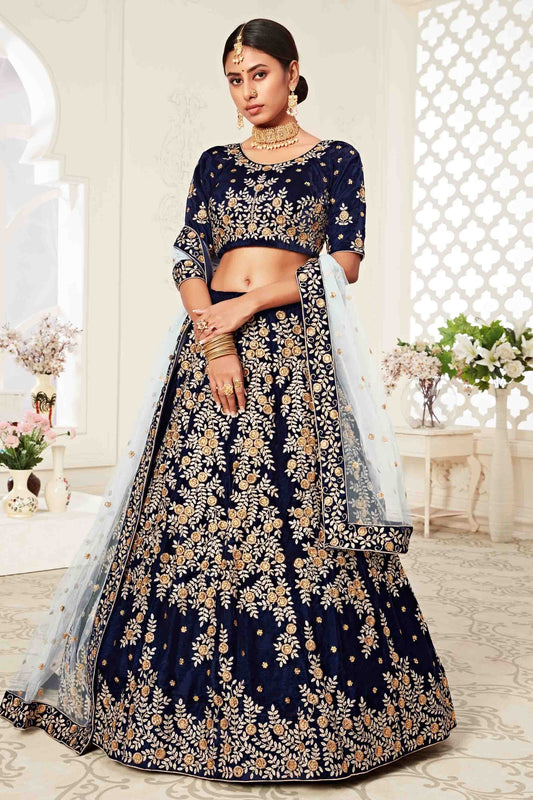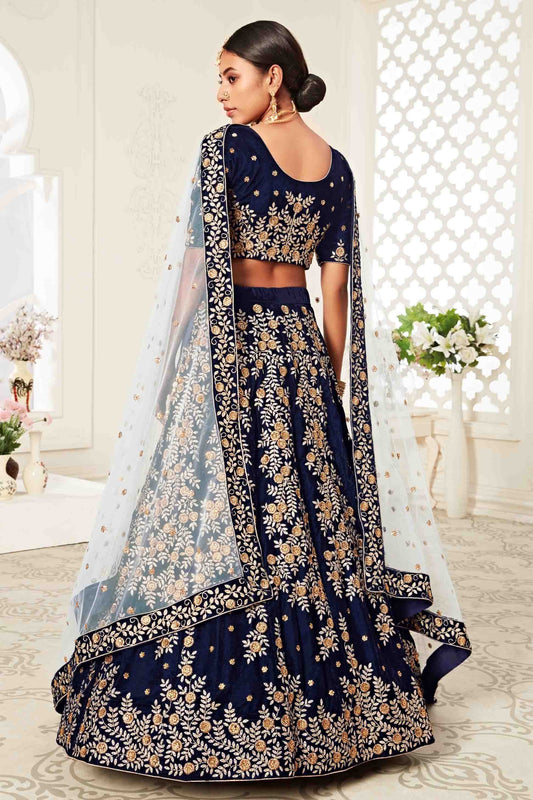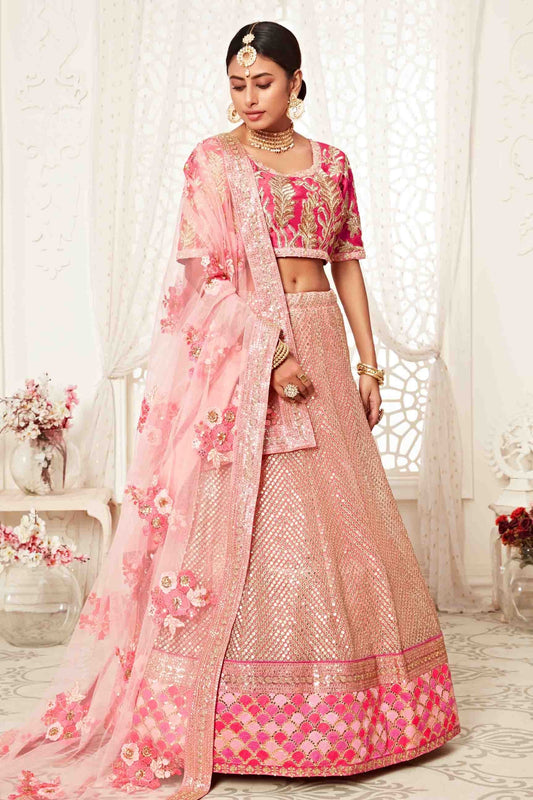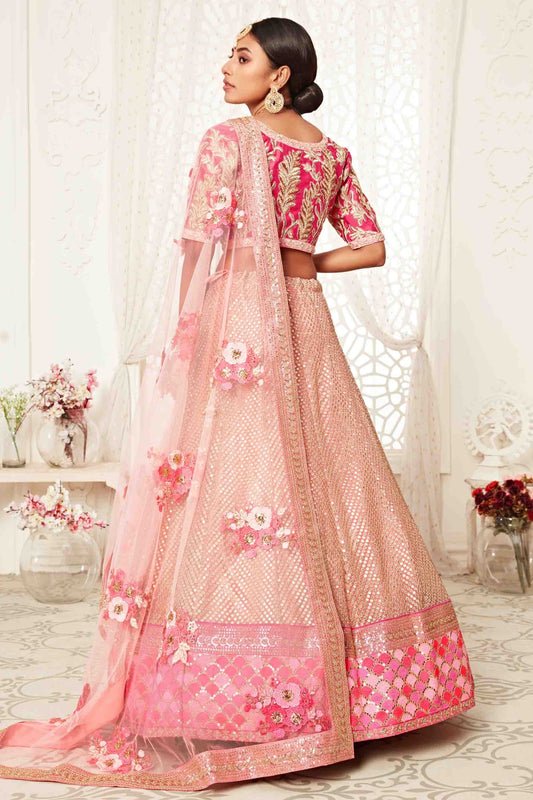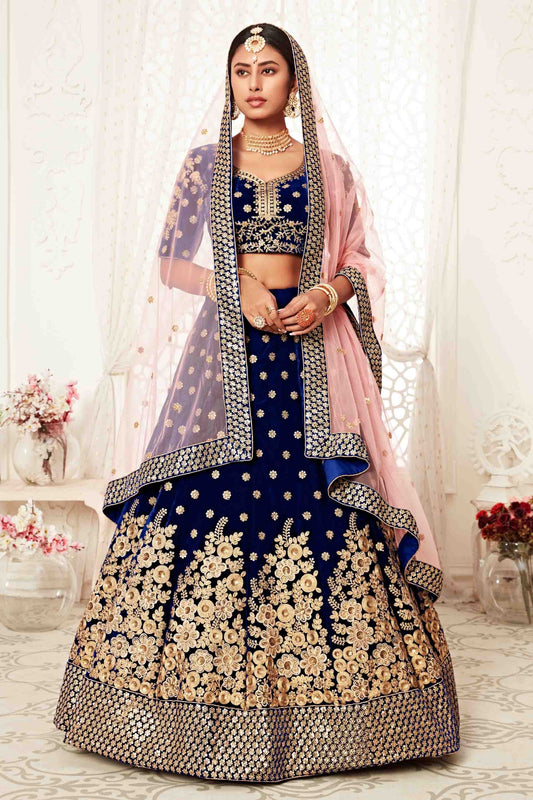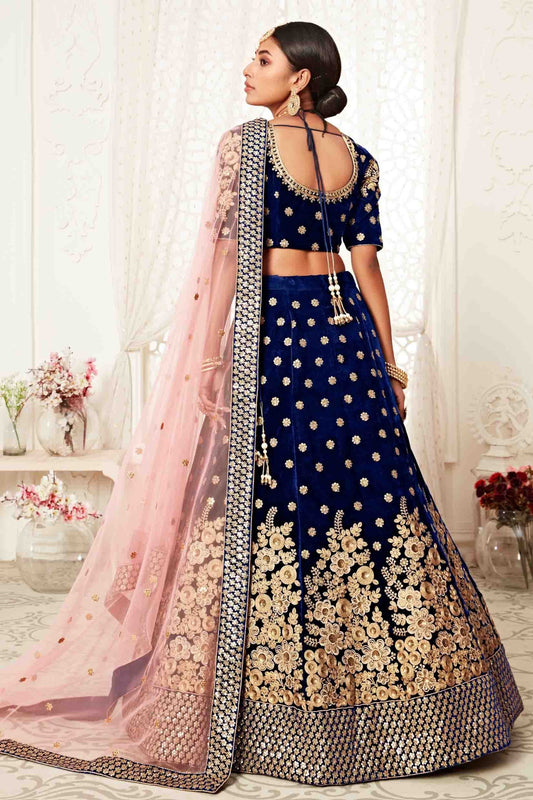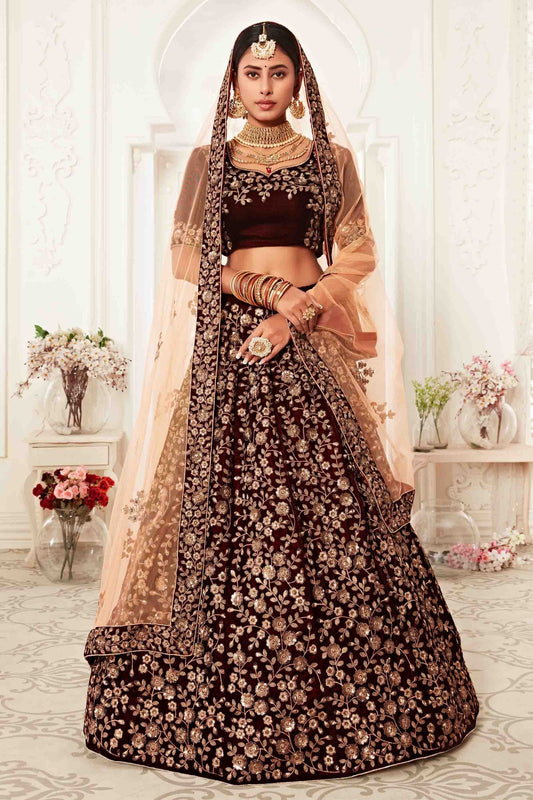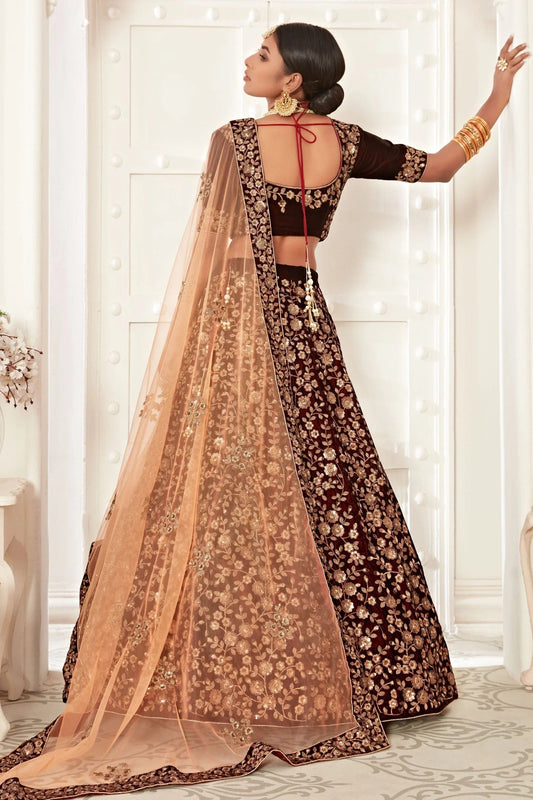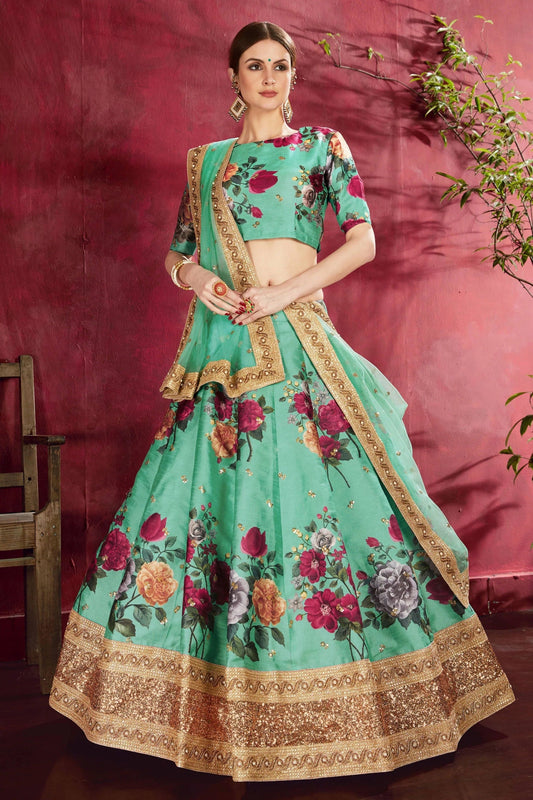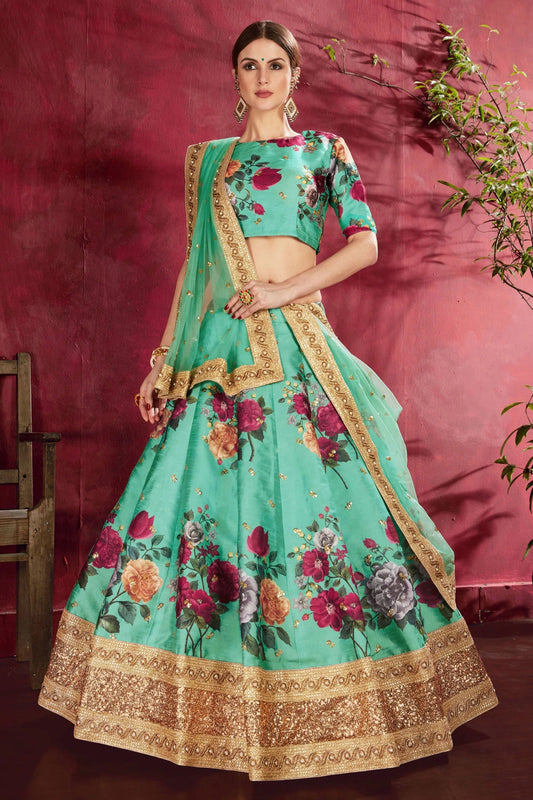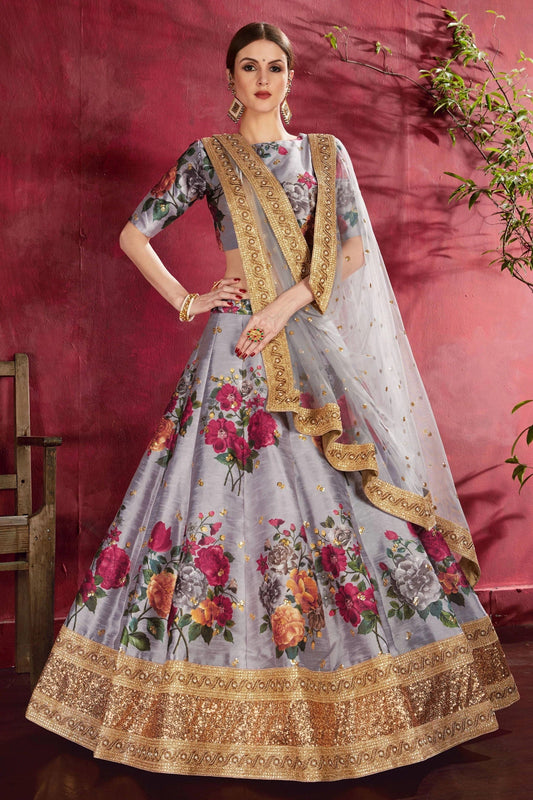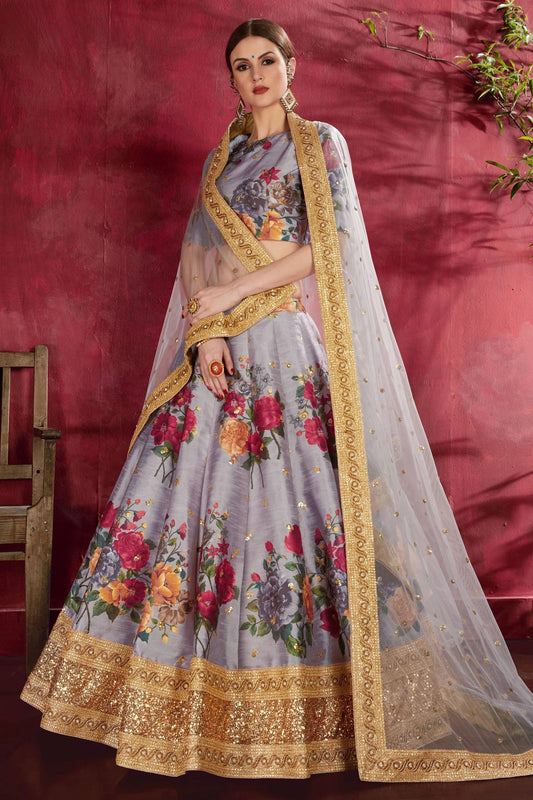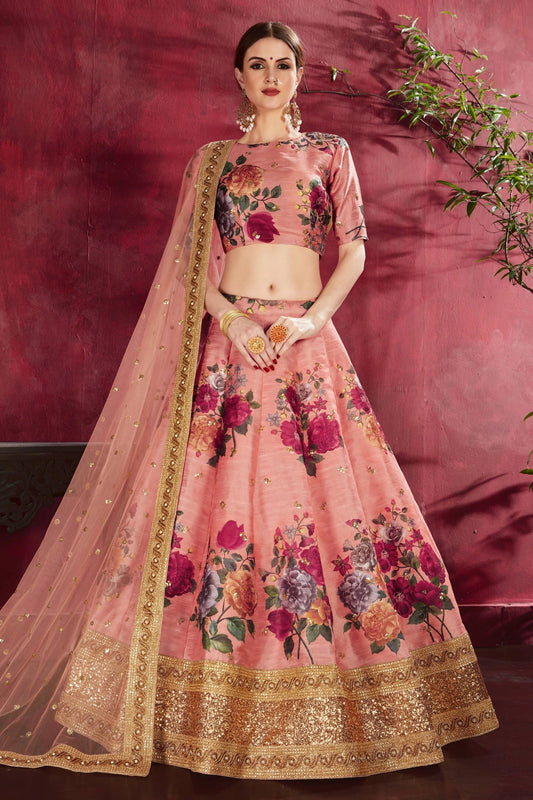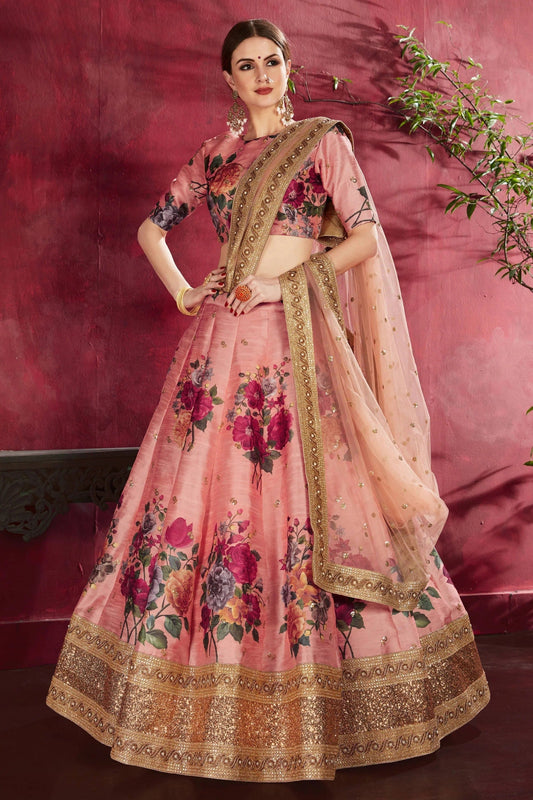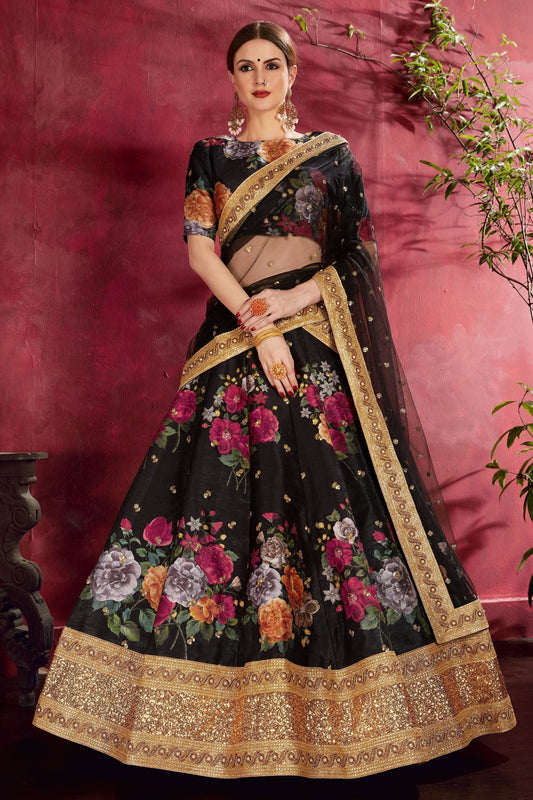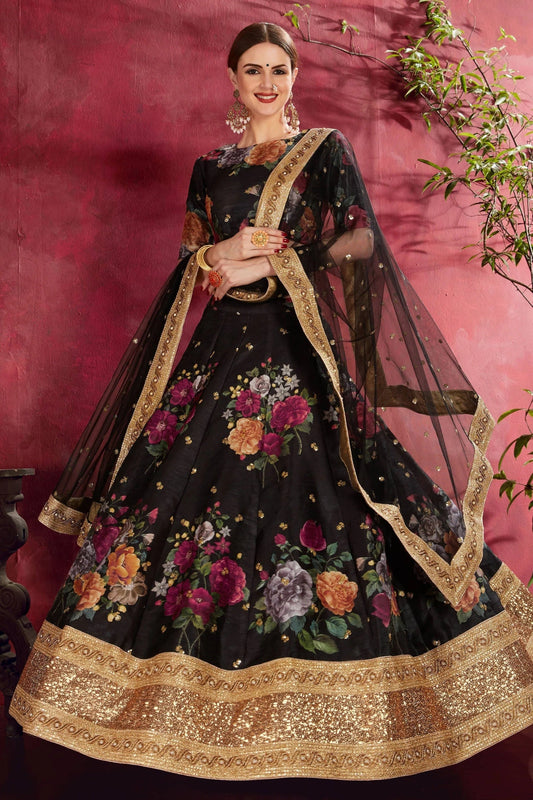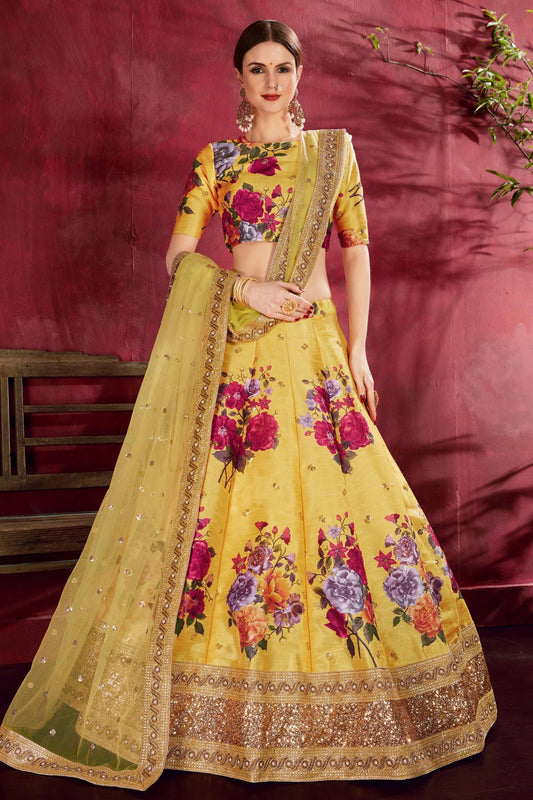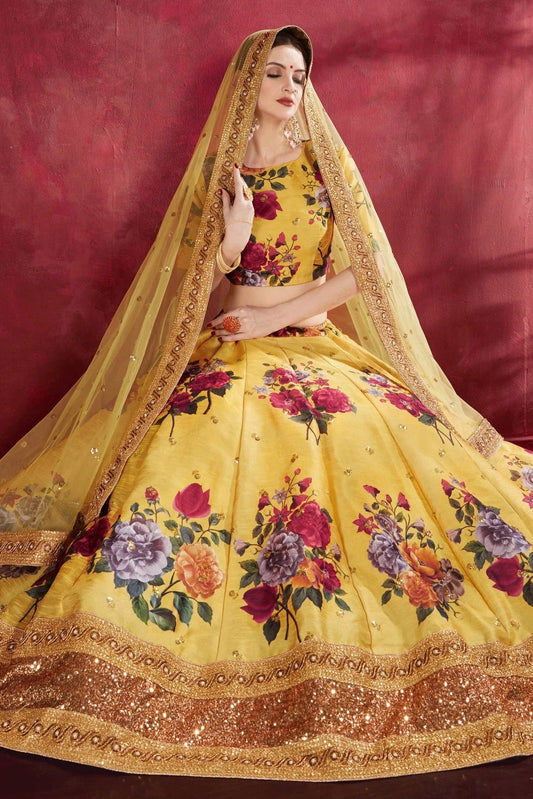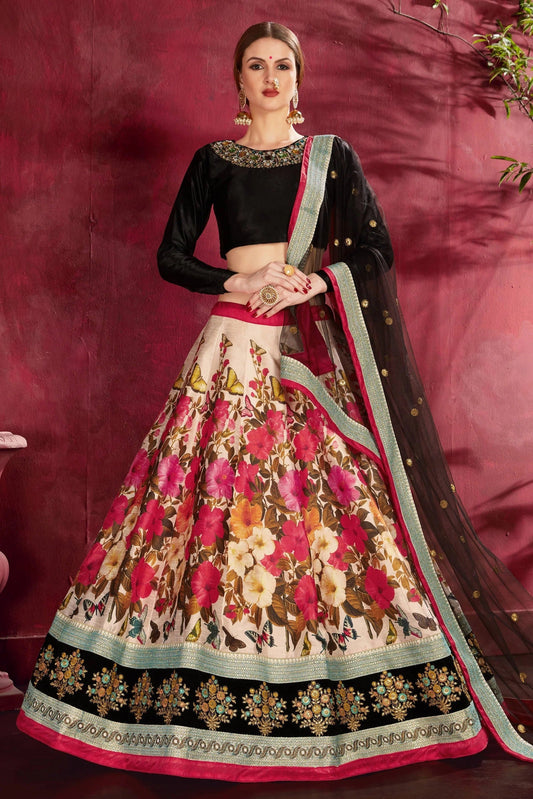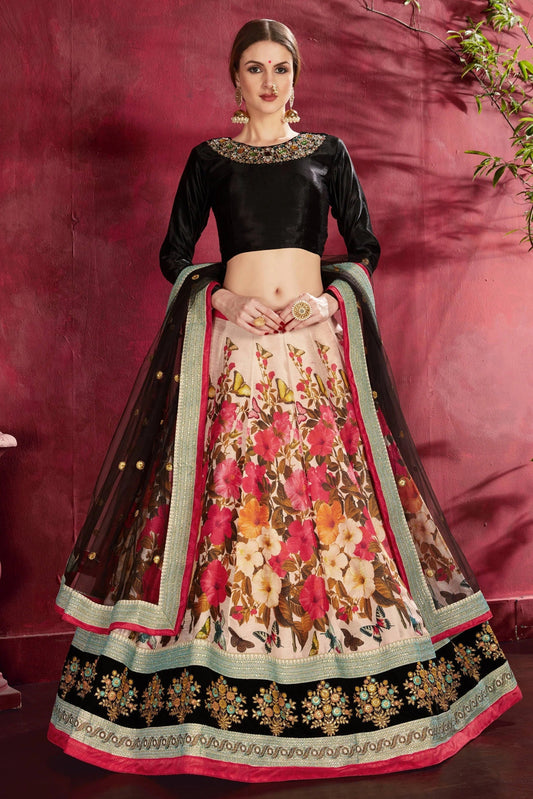
Designer Sarees for Every Gorgeous Lady!
Share
Some outfits enter your life quietly and leave without a trace. Sarees don’t do that. They arrive early, stay long, and somehow keep changing with you. A saree you wore at twenty feels different when you wear one at thirty-five. Same drape, different woman. That’s the part people forget when they talk about fashion.
A saree isn’t just clothing. It’s habit. It’s muscle memory. It’s watching someone older than you pleat it faster than you ever could. It’s safety pins borrowed five minutes before leaving home. It’s that one stubborn pleat that refuses to fall in line. It’s real life stitched into fabric.
Growing up, sarees were everywhere. Not special. Not dramatic. Just normal. Mothers wore them to work. Grandmothers wore them at home. Aunties wore them to buy vegetables and to attend weddings. No one called them “ethnic wear.” They were just clothes. Good clothes.
Somewhere along the way, sarees became an occasion thing. Something you “dress up” for. And then designer sarees entered the picture and flipped the mood again.
Designer sarees didn’t try to be everyday wear. They didn’t even pretend. They were bold about being special. Rich fabrics. Heavy borders. Dramatic pallus. Sarees that didn’t blend in with the crowd. Sarees that made you stand out whether you wanted to or not.
The first designer saree most women remember isn’t one they owned. It’s one they noticed. At a wedding. On a cousin. On a stranger across the room. The kind of saree that makes you stop mid-conversation and look again. Not because it’s loud. Because it feels intentional.
Designers brought back detail. They brought back patience. They reminded everyone that embroidery isn’t decoration, it’s time. Someone sat and worked on that border. Someone chose those colours knowing they’d either clash terribly or look incredible. Someone took that risk.
Sabyasachi sarees feel like old souls. They look like they’ve lived a life even when they’re brand new. Deep colours. Vintage moods. Sarees that feel like heirlooms waiting for stories. Masaba went in the opposite direction and said rules are optional. Sarees with cow motifs, quirky prints, strange colour combinations that somehow work. Manish Malhotra made sarees glamorous again. Lights, shimmer, movement. Sarees that don’t mind attention.
Different personalities. Same six yards.
What changed everything was how easy it became to access these styles. Online shopping removed the pressure. No salespeople watching. No rushed decisions. You scroll at midnight. You save screenshots. You come back the next day. You imagine yourself wearing it. That’s how most good saree purchases happen anyway. Slowly.
And once you start looking, you realise how many moods a saree can hold.
Net sarees aren’t forgiving. They don’t hide mistakes. They don’t flatter everyone the same way. But when they work, they work hard. Net sarees are meant for evenings. For places with lights. For events where photographs matter. They’re light, sheer, and dramatic without trying too hard. Pair them badly and they look messy. Pair them right and they look unforgettable. They demand effort, but they give back twice as much.
Chiffon sarees feel like relief. Especially if you’ve spent hours in heavy fabrics before. Chiffon moves. It breathes. It doesn’t fight you when you walk. There’s a reason so many women reach for chiffon when they want to look nice but stay comfortable. It doesn’t need heavy jewellery. It doesn’t need drama. It just needs confidence and good draping. White chiffon still has its own fan following for a reason.
Printed sarees changed the rules quietly. They made sarees wearable again for regular days. Not weddings. Not festivals. Just days when you want to look put together without thinking too much. Printed sarees feel modern. They don’t rely on zari or stones to make a point. They rely on design. They work well with simple blouses. They’re easy to repeat. And that’s important. Clothes that can’t be repeated don’t last long emotionally.
Half and half sarees sit somewhere in the middle. They’re clever without being loud. Two fabrics meeting halfway. Two colours balancing each other. They don’t need explanation. The design speaks for itself. They work well for women who like contrast but don’t want chaos. When done right, they look thoughtful. When done badly, they look confused. Good design always shows.
What makes a designer saree truly worth owning isn’t the label. It’s the feeling. The way you stand when you wear it. The way you walk slower without realising. The way people look at you, not because you’re flashy, but because you seem comfortable in your skin.
Some sarees stay in memory longer than others. You remember the one you wore to that wedding where everything went wrong except your outfit. The one you wore when someone complimented you unexpectedly. The one you wore when you needed to feel strong.
Designer sarees have a way of becoming markers. Little checkpoints in life.
That’s why buying one isn’t about trends. It’s about choosing a piece that fits into your story. Something you’ll want to wear again. Something you’ll remember.
Every gorgeous lady deserves at least one saree like that. Not perfect. Not trendy. Just right.
FAQs