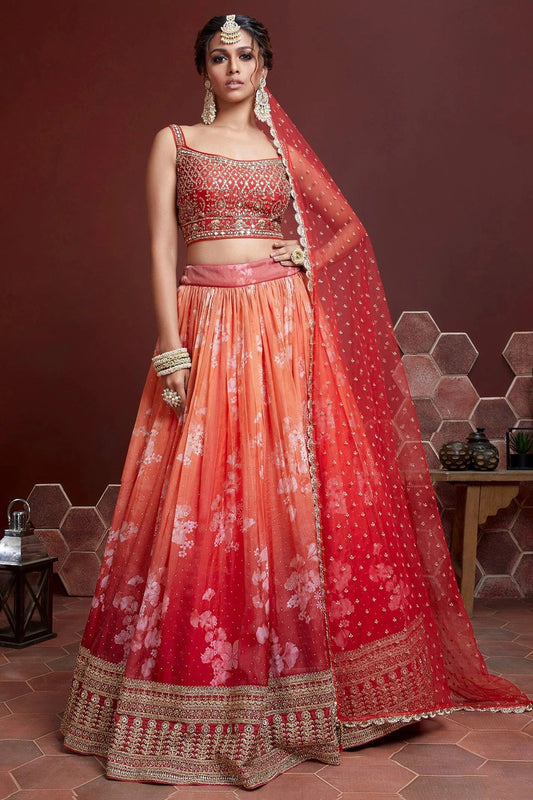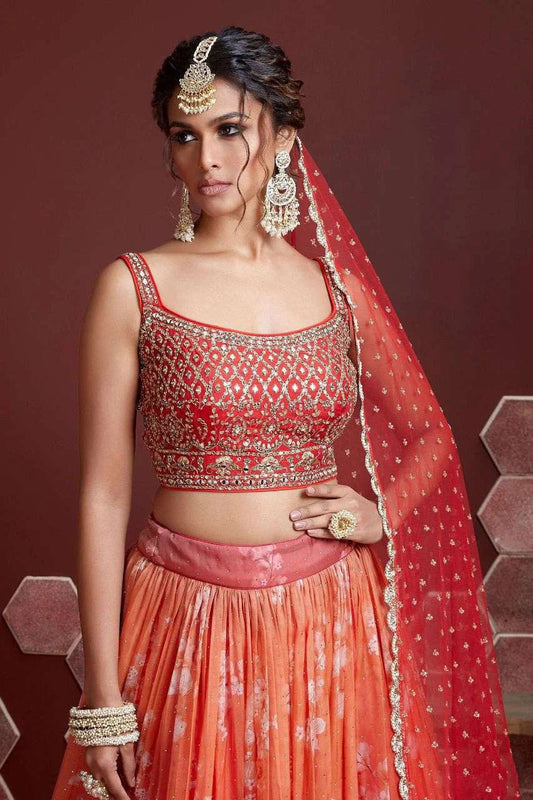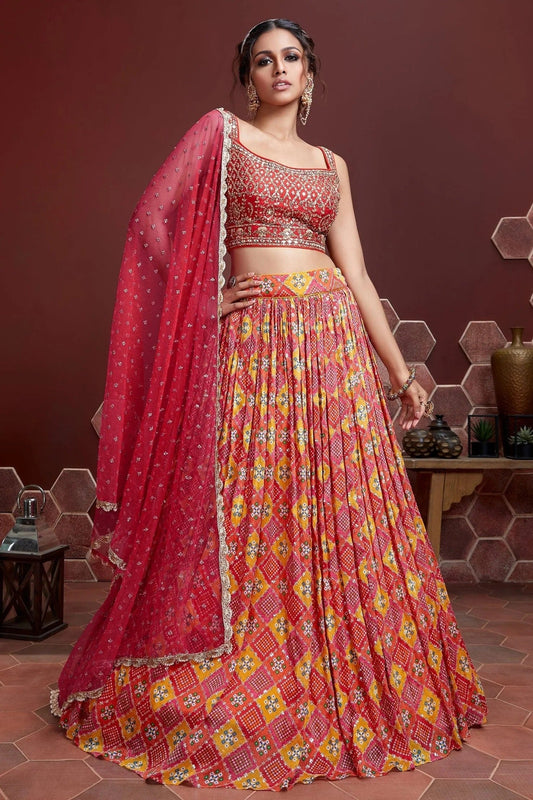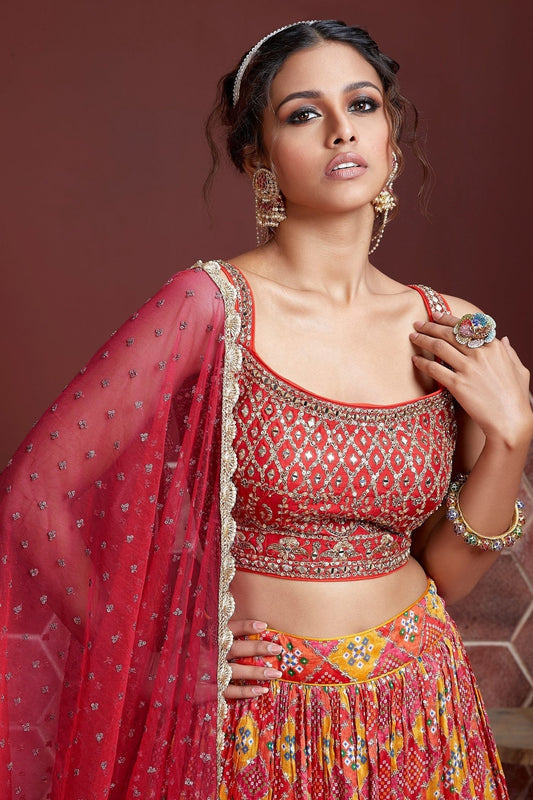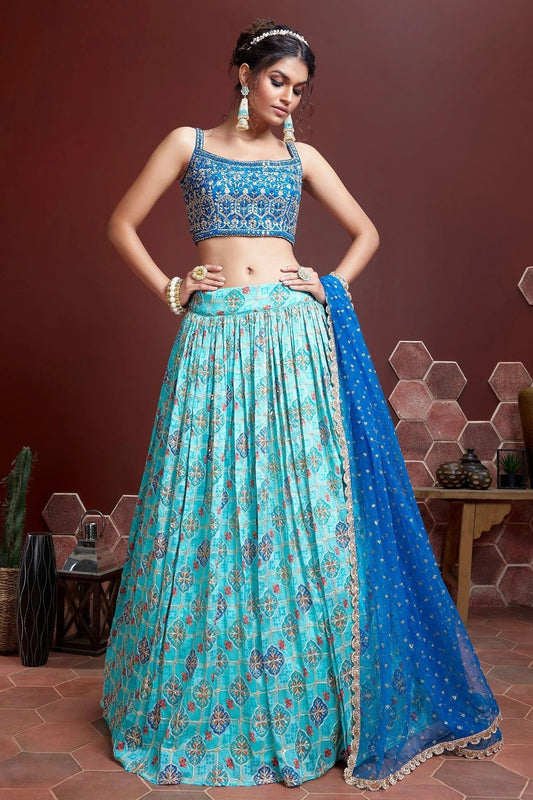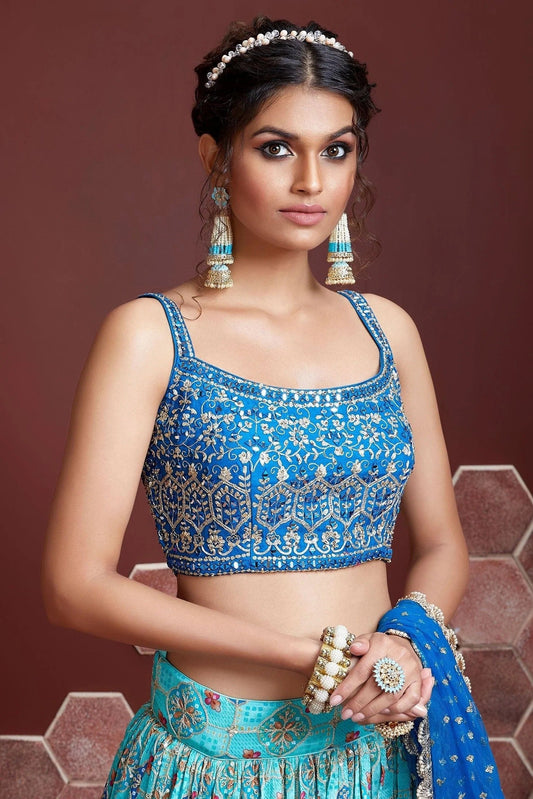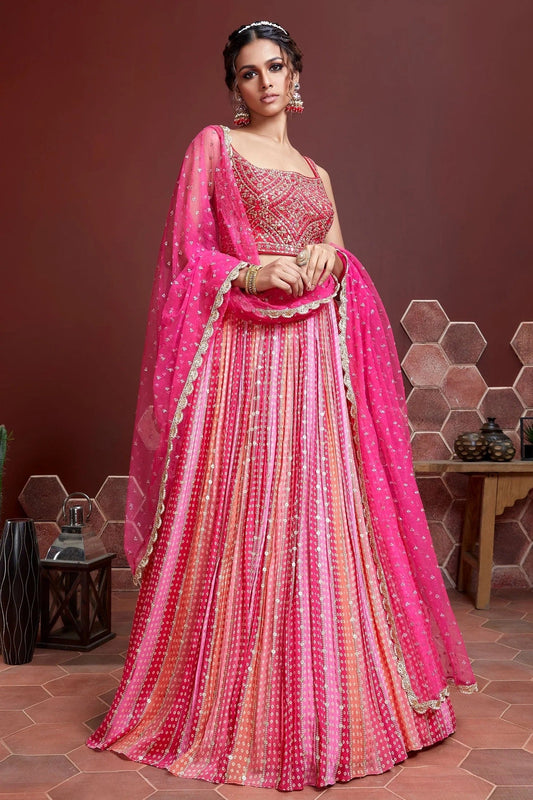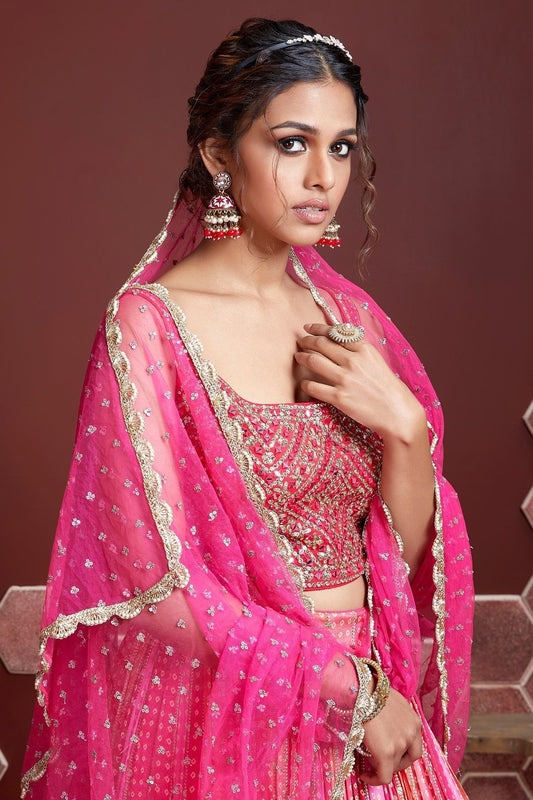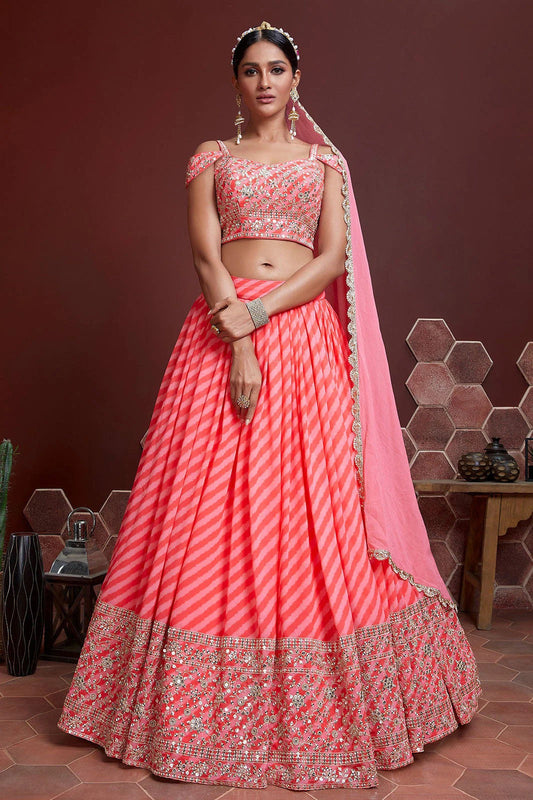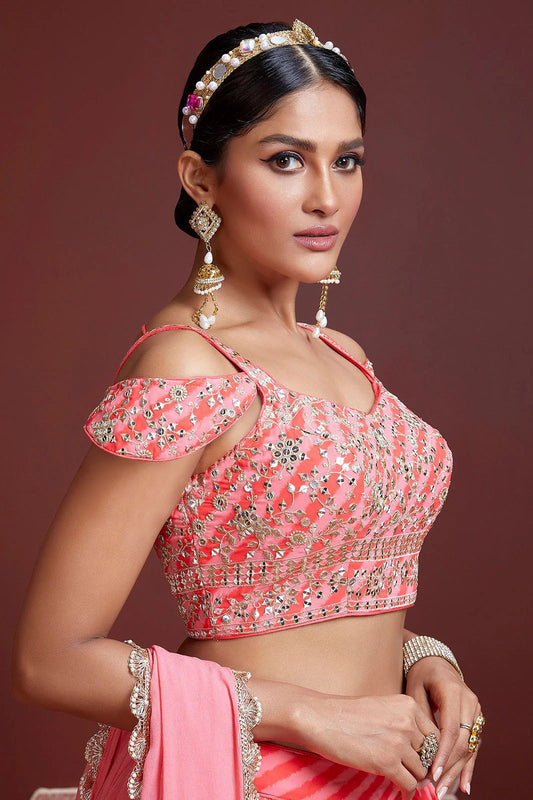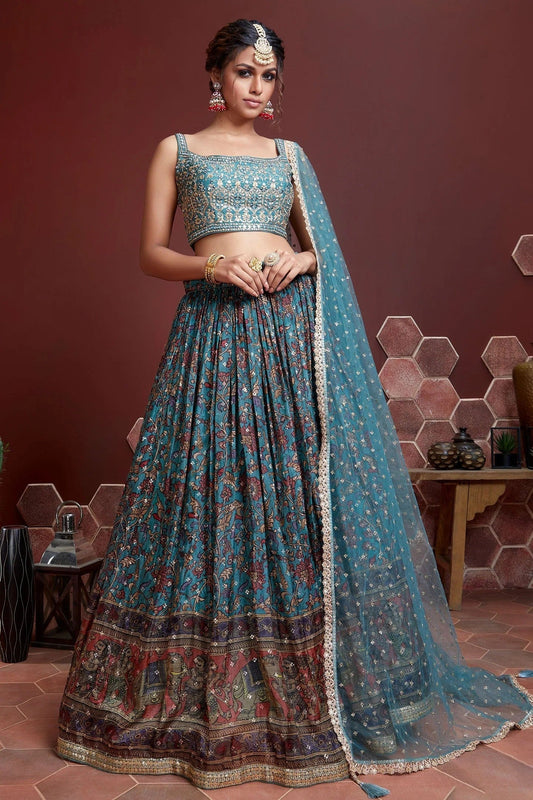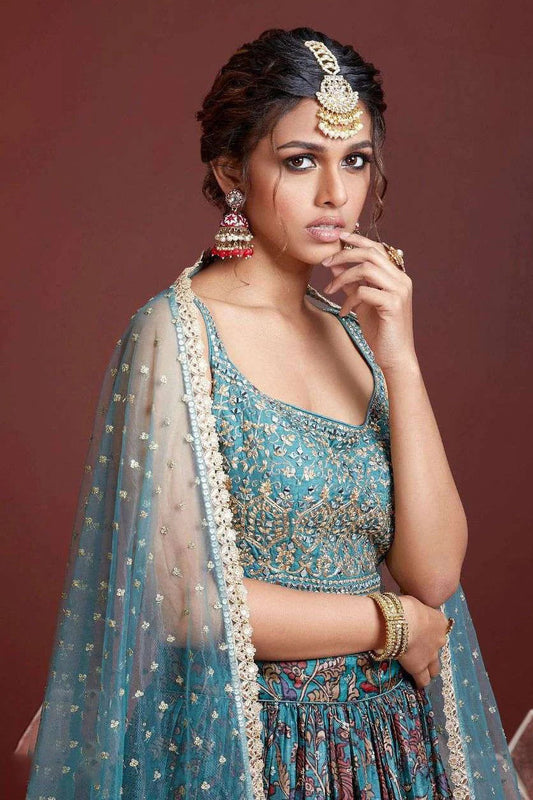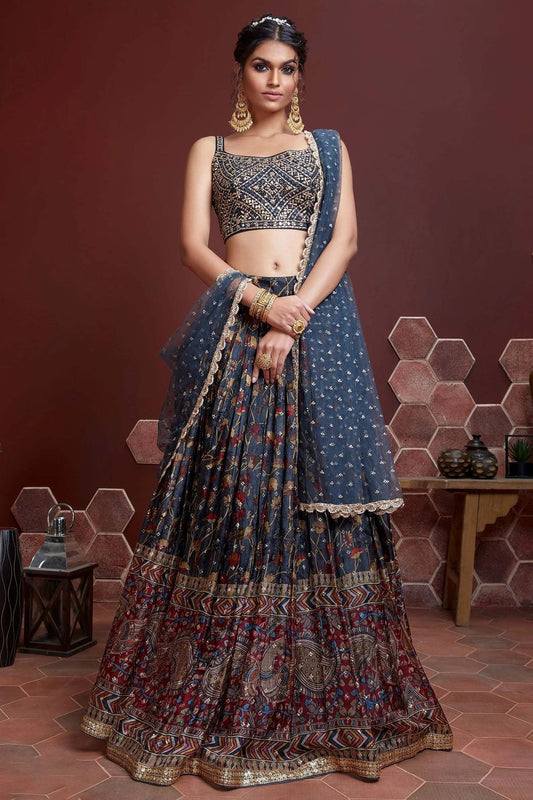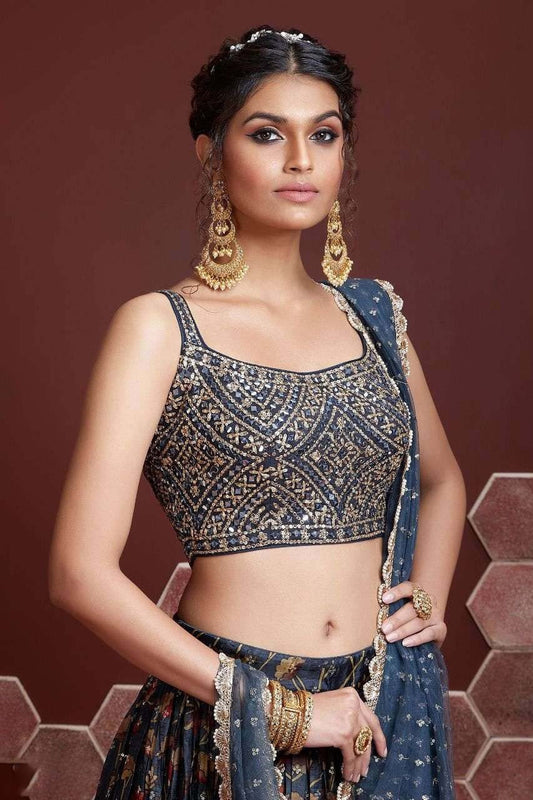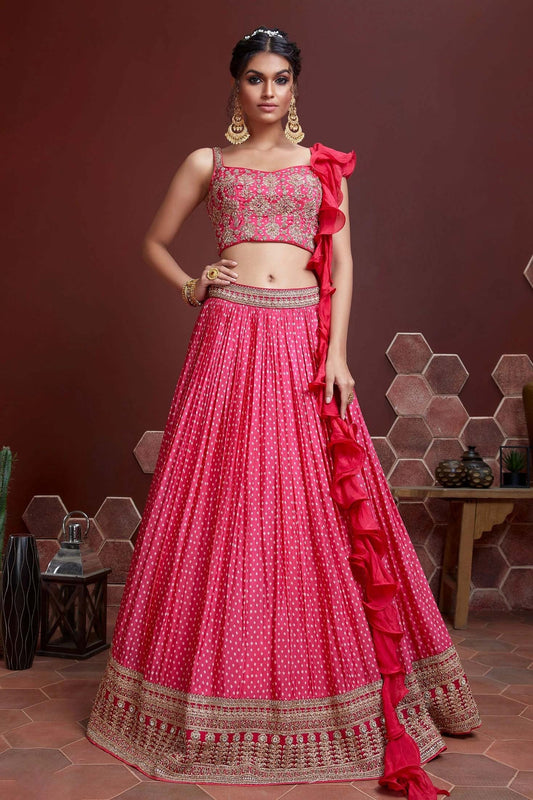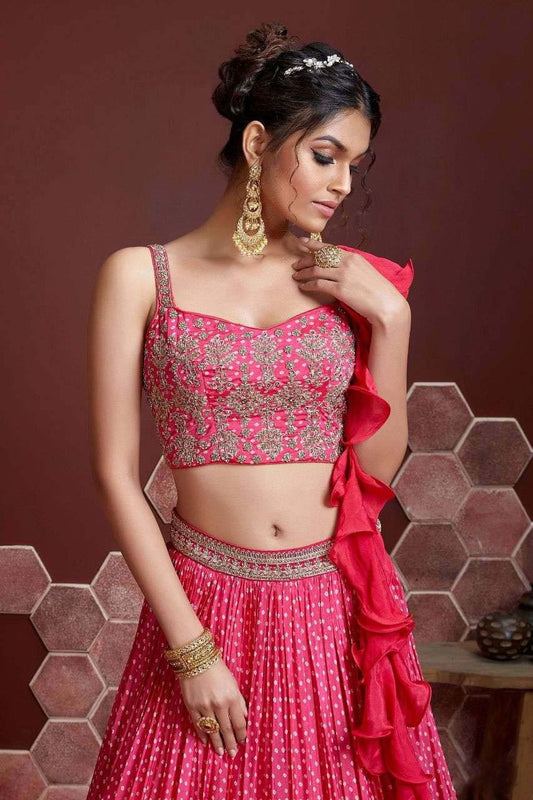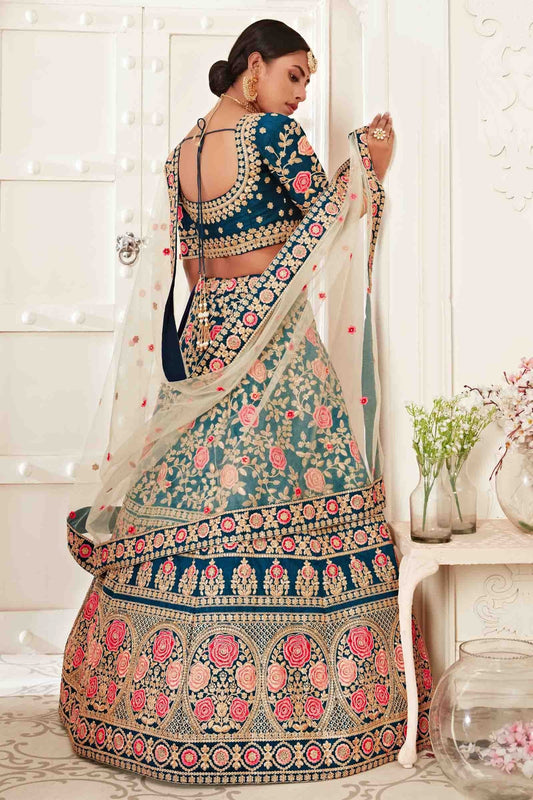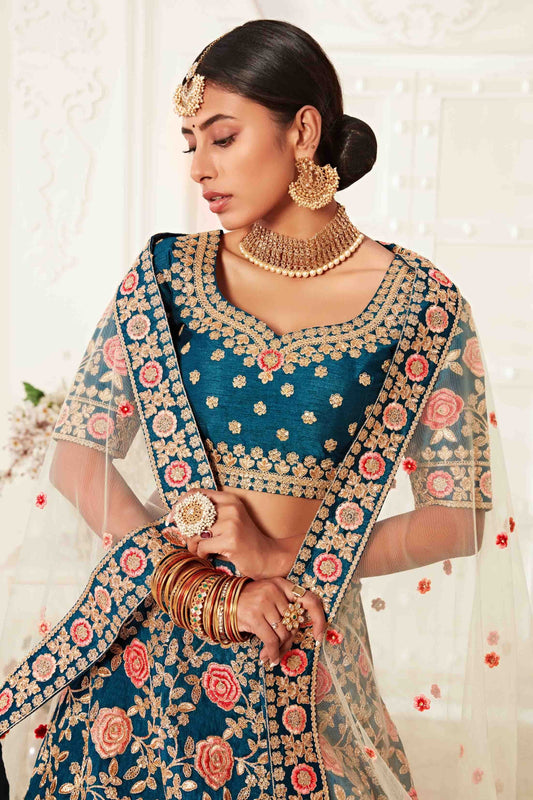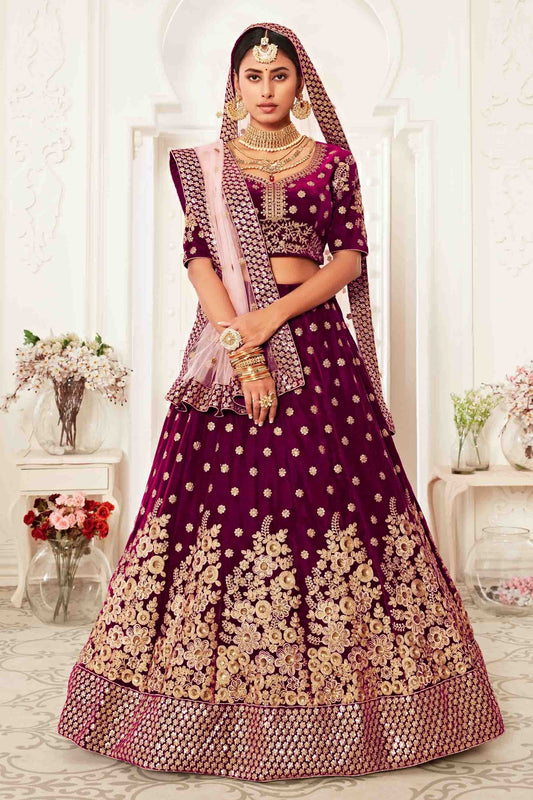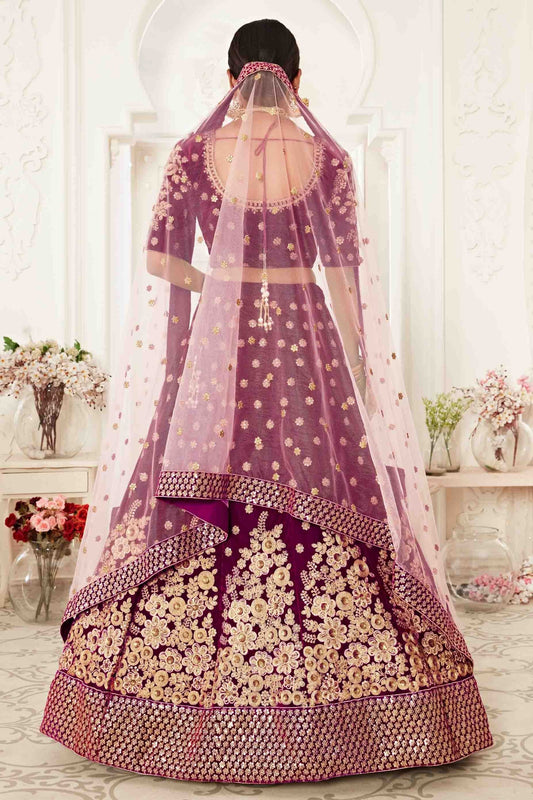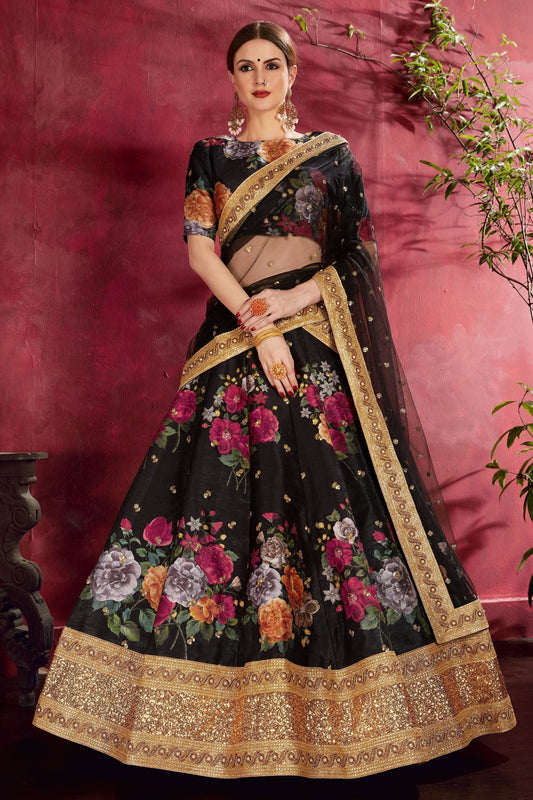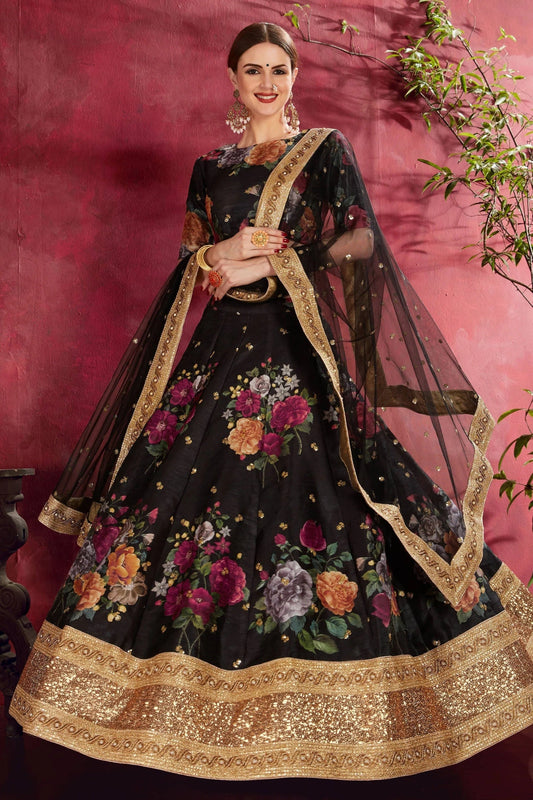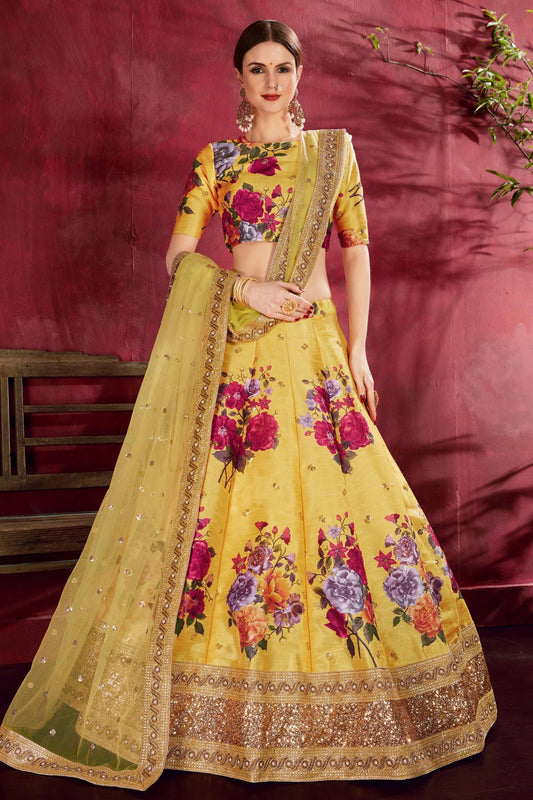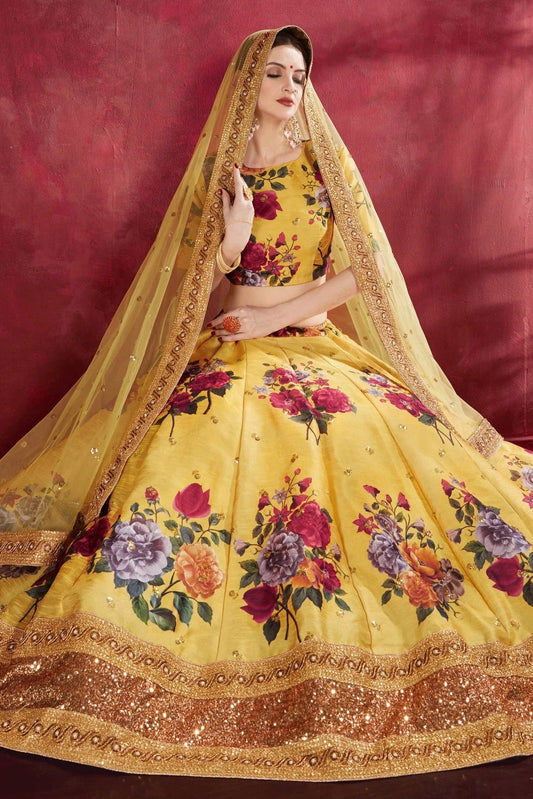
How to Click the Perfect Selfie in a Saree
Share
There’s something quietly powerful about a saree. It changes posture. It slows you down. It makes you notice details you usually rush past. And when you try to take a selfie in one, suddenly you realize it’s not just about pointing the camera and smiling. A saree selfie needs a little patience, a little self-awareness, and a lot of play.
Let’s walk through it the way it actually happens in real life.
Outfit Ready: Start With the Mirror, Not the Camera
Before you even unlock your phone, stand in front of the mirror. Really look. Not the quick glance we all do, but a proper check.
Is the saree pinned well, or is the pleat threatening to slip the moment you move your arm? Is the pallu sitting where you want it, or does it look heavy and awkward? A drape that looks stunning on a celebrity might not flatter your frame the same way, and that’s completely fine. Sarees are personal. What matters is how confident you feel in it.
Try small changes. Move the pallu slightly higher. Loosen it a bit. Adjust the pleats. Take two or three casual photos just to see how the fabric falls on camera. Sometimes something that looks perfect in the mirror doesn’t translate well into a selfie, and sometimes the opposite happens. Trust the process.
Also think about the saree itself. A soft chiffon behaves very differently from a stiff silk. Light fabrics flow and frame the face beautifully in close-up shots. Heavier ones need cleaner draping to avoid looking bulky near the shoulders.
Makeup Ready: Highlight, Don’t Hide
Selfies are close. Very close. Every little detail shows up, which can be intimidating, but it’s also an advantage if you play it right.
You already know your strongest feature. Maybe it’s your eyes, maybe your lips, maybe that sharp jawline or expressive brows. Focus there. A bold lip, especially a red or deep berry shade, can completely transform a saree selfie. It gives the photo a focal point and adds drama without effort.
For eyes, kohl is magic. Even a simple line can add depth and intensity. You don’t need heavy eye makeup unless that’s your style. Sometimes clean skin, defined eyes, and a confident expression work better than layers of product.
Blend your base well. Uneven foundation shows up easily in selfies. Concealer should melt into the skin, not sit on top of it. If you have areas you usually worry about, this is where you quietly fix them and move on. No need to overthink it.
And don’t forget hair. Loose waves, a neat bun, or a side braid can completely change the mood of the selfie. Just make sure it looks intentional, not rushed.
Camera Ready: Softer Is Better
This might sound strange, but higher megapixels aren’t always your friend. Especially for selfies.
Front cameras are usually better for selfies because you can see what you’re doing, test angles, and adjust expressions in real time. A super high-resolution camera can make the image too sharp, picking up details you don’t want highlighted in a close-up shot.
If your phone allows it, try lowering the camera resolution slightly. Softer images tend to be more flattering for selfies in sarees. The fabric texture still shows, but the overall look feels gentle and natural.
Also, clean your lens. It’s such a small thing, but it makes a huge difference. A smudged lens can ruin an otherwise perfect shot.
Angle Ready: Experiment Like You Mean It
Angles are everything. And no, there is no single “best angle” that works for everyone.
Hold the camera slightly above eye level and click. Then try a lower angle. Turn your face a little to the left, then to the right. Try a side profile with the pallu framing your face. Tilt your chin slightly down, then slightly up. Each small movement changes the entire photo.
Take more photos than you think you need. Most great selfies come from a set of twenty average ones. That’s normal. Don’t judge yourself too quickly. Look through them calmly and notice patterns. Maybe your left profile looks softer. Maybe you smile better when the camera is higher. This is how you find your angle.
If you’re really into selfies, a selfie stick can help. It gives you more distance and flexibility, especially when you want to capture a bit of the saree along with your face.
Light Ready: Natural Light Wins
Good light can save a bad angle. Bad light can ruin a great one.
Stand near a window. Early morning or late afternoon light is soft and flattering. Avoid harsh overhead lights that cast shadows under your eyes or nose. If you’re indoors, turn your face slightly toward the light source rather than straight into it.
At night, indoor lighting can work if it’s warm and even. Avoid using the front flash unless absolutely necessary. It often flattens the face and washes out the saree’s color.
Editing: Subtle, Not Obvious
Editing is fine. Everyone does it. The trick is knowing when to stop.
Instagram and similar apps have great tools. Adjust brightness, warmth, and contrast gently. Smoothness should be minimal. Your skin should still look like skin. Over-edited selfies lose their charm fast.
If someone can tell from the first glance that a filter was used heavily, it usually means it’s too much.
Practice Makes It Effortless
The truth is simple. Great saree selfies come with practice. The more you click, the more comfortable you become with your face, your expressions, and your style. And that comfort shows in the photo.
So wear your saree, play with drapes, laugh at bad shots, keep the good ones, and enjoy the process. When you finally get that selfie where everything just clicks, you’ll know it was worth the effort.
Click your saree selfie. Share it. And notice how each time, it feels a little easier and a little more you.
FAQs