Makar Sankranti Festival: Meaning, History, and Celebrations Across India
Share
There’s a certain smell that shows up around mid-January. Jaggery melting. Sesame seeds roasting. The kind of warmth that doesn’t come from a heater, but from kitchens and rooftops.
Makar Sankranti is one of those festivals people don’t argue about. Everyone likes it. Kids love it for the kites. Elders like it for the rituals. Food lovers are just waiting for til-gud, laddoos, khichdi, puran poli. And somewhere in between, the sun quietly becomes the hero of the day.
Look up, and you’ll probably see the sky crowded with colour. That’s Sankranti for you. Loud. Sweet. Bright. Simple.
The date never plays games
Most Indian festivals move around every year. Sankranti doesn’t bother with that drama. It shows up almost every time on 14 January, sometimes the 15th.
That’s because it follows the sun, not the moon.
“Makar” is Capricorn. “Sankranti” means transition. Put together, it marks the day the sun moves from Sagittarius into Capricorn. It also happens right around the time when days start getting longer again. Nights slowly shorten. Winter finally gets the hint.
For farmers, this timing matters. Crops are ready. Fields are full. That’s why Sankranti is called the harvest festival, without any overthinking.
There’s also an old belief tied to this day. Bhishma Pitamah, from the Mahabharata, chose Makar Sankranti as the day to leave his body. Since then, people believe passing away on this day leads to moksha. Heavy thought, but it adds to the day’s spiritual weight.
Same festival, different moods
Sankranti doesn’t wear one outfit across the country. It changes region to region, sometimes even house to house.
In Maharashtra, it’s sweet in the most literal way. People exchange til-gud and say, “Til-gud ghya, goad goad bola.” Eat sweet, speak sweet, let old grudges go. Women make puran poli, kitchens stay busy, and haldi-kumkum gatherings turn into long chats that go way beyond rituals.
In Gujarat, it’s Uttarayan. If you’ve ever been there during Sankranti, you know the sky looks crowded. Kite strings everywhere. Rooftops packed. Music playing. There’s even an international kite festival, which sounds fancy but feels very local when you’re actually there.
In Punjab and Haryana, Sankranti shows up as Lohri. Bonfires crackle in the cold. Peanuts, rewri, and sesame seeds are thrown into the fire. Bhangra starts almost automatically. January is brutal there, so the fire isn’t just tradition, it’s survival.
In UP and Bihar, people call it Khichdi. Simple name, simple food, deep comfort.
Down south, Tamil Nadu and Andhra Pradesh celebrate Pongal. Rice boils over in open sunlight with milk, offered to the sun god. Pongal runs for four days, and for many farmers here, it carries more weight than Diwali. It’s about crops, cattle, and gratitude, not fireworks.
Cross the border into Nepal, and it’s Maghe Sankranti. Holy river baths, sesame sweets, prayers. The feeling is familiar even if the name changes.
What people usually wear
New clothes are almost non-negotiable.
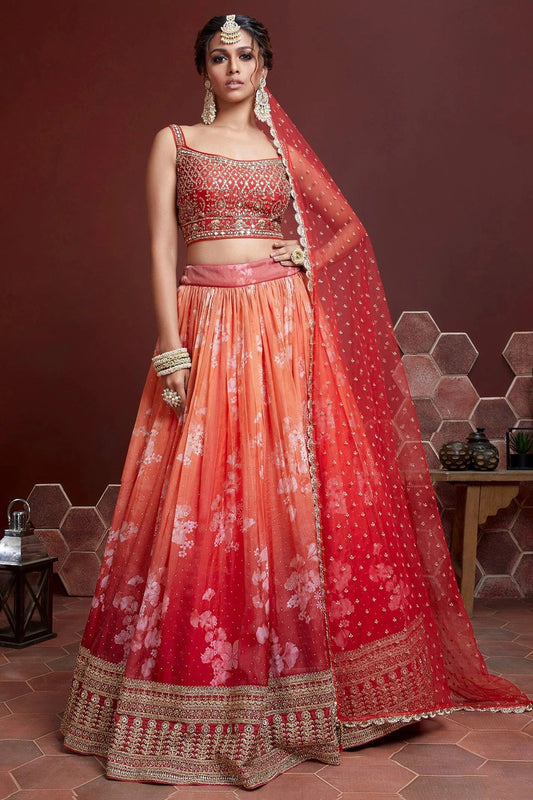
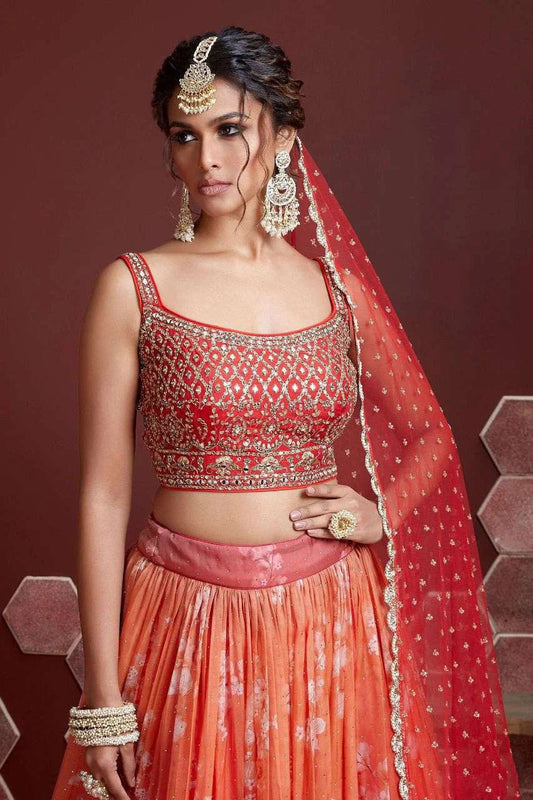
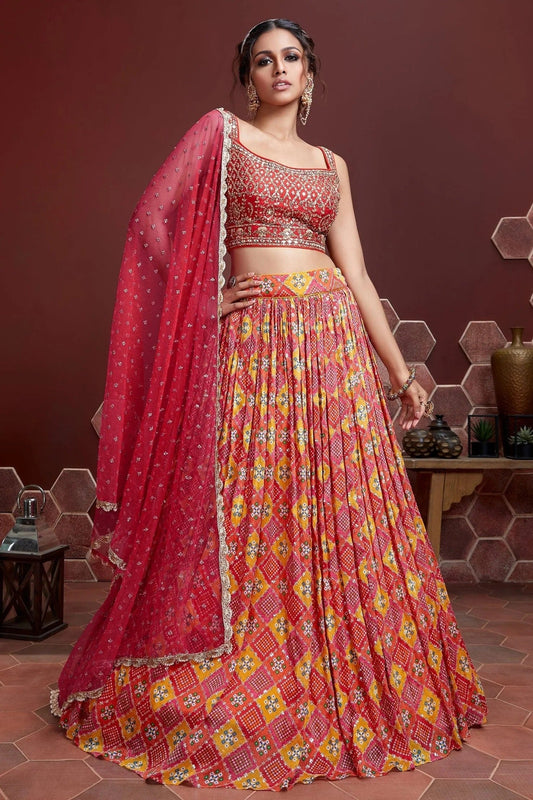
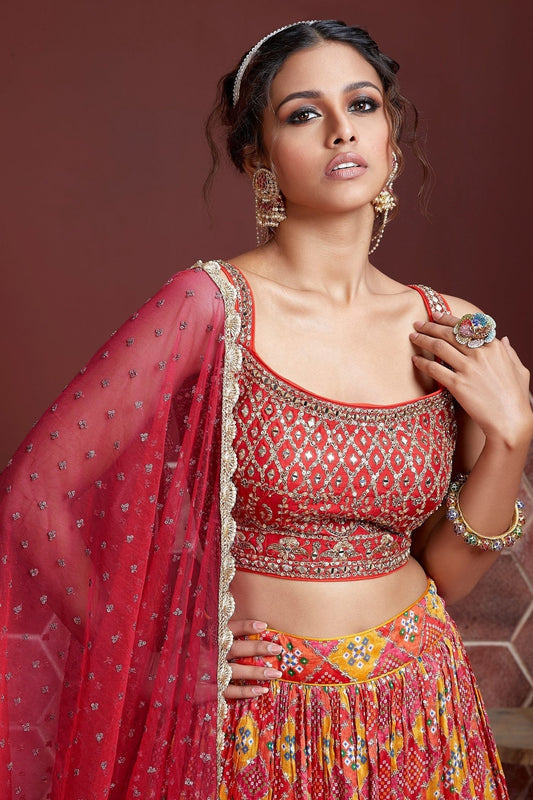
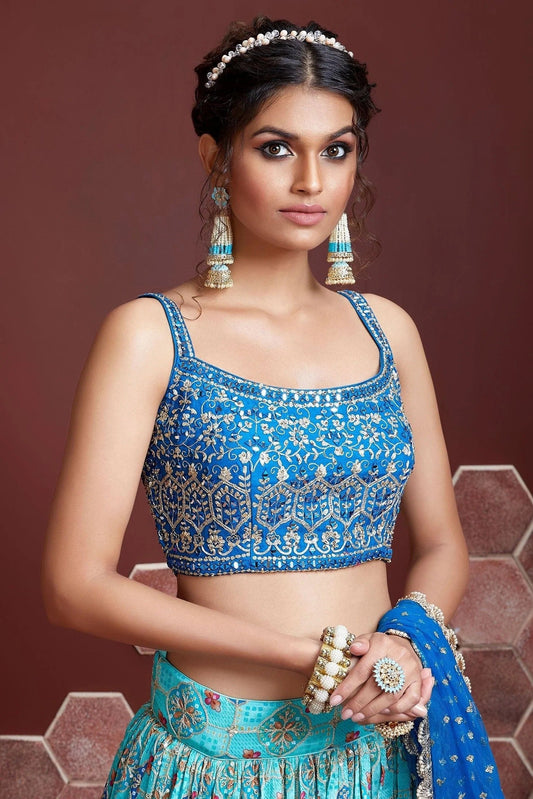
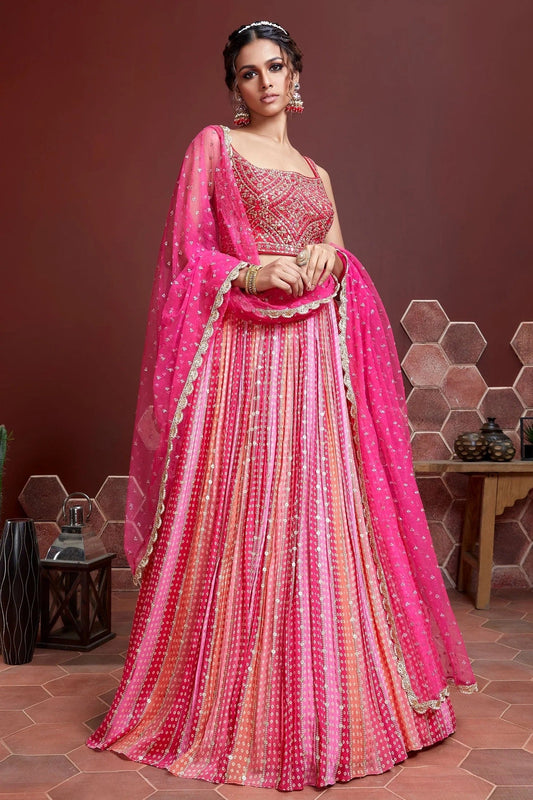
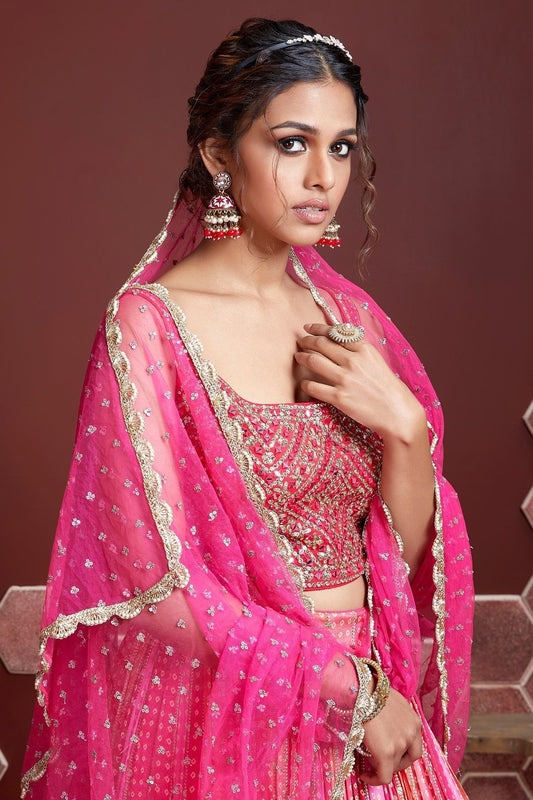
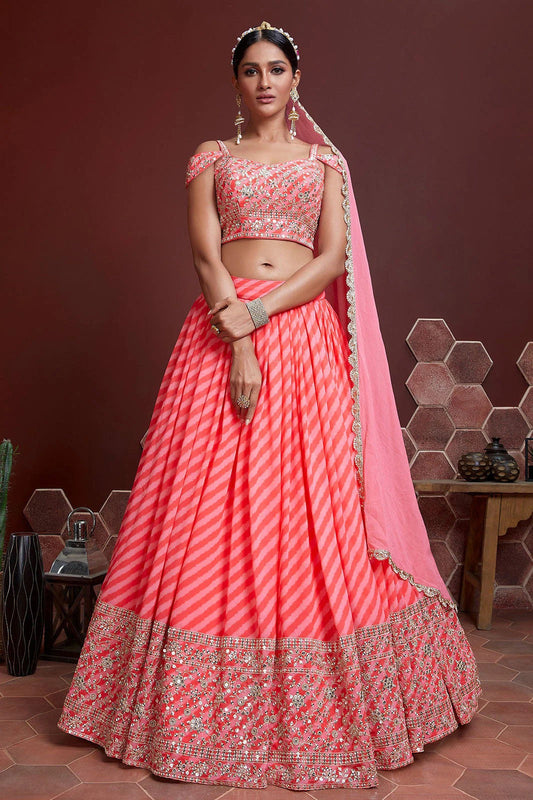
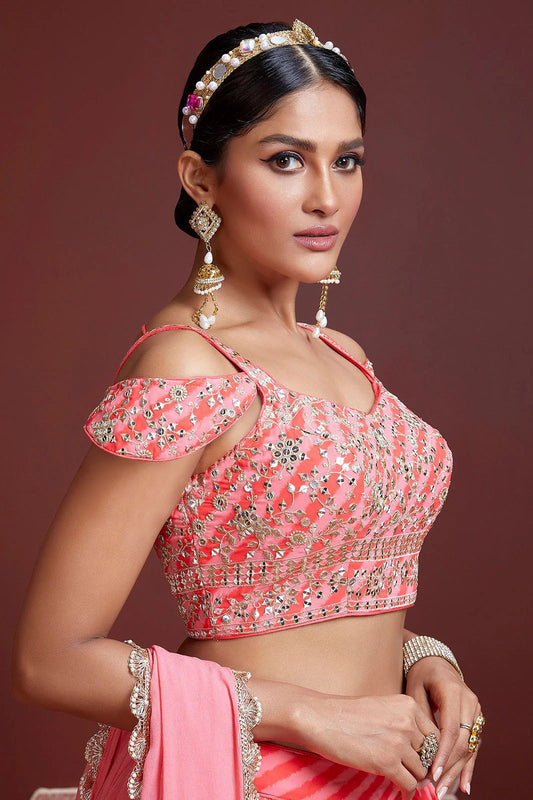
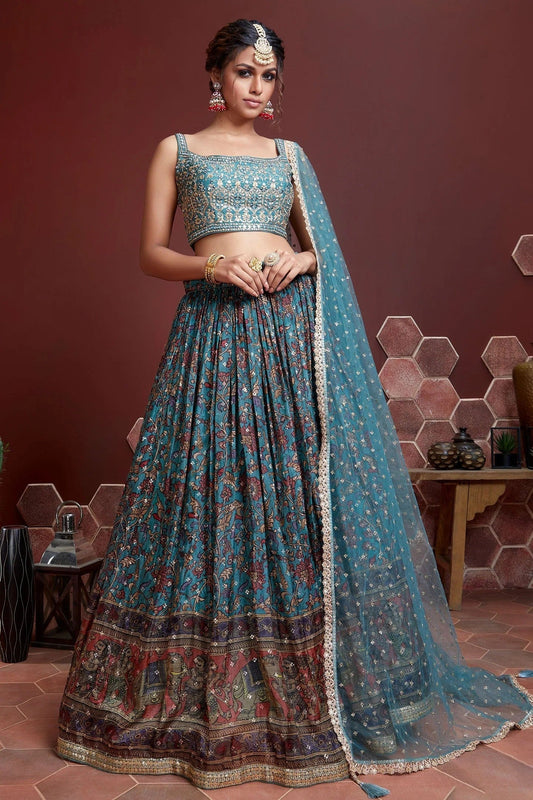
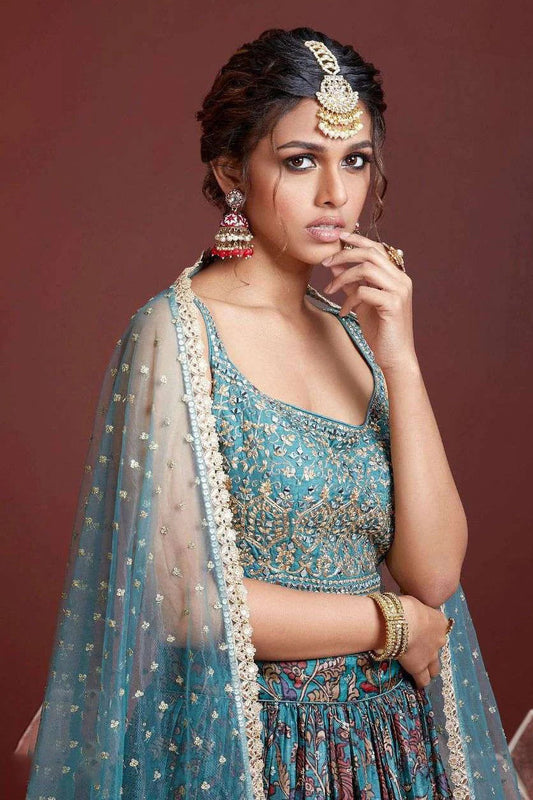
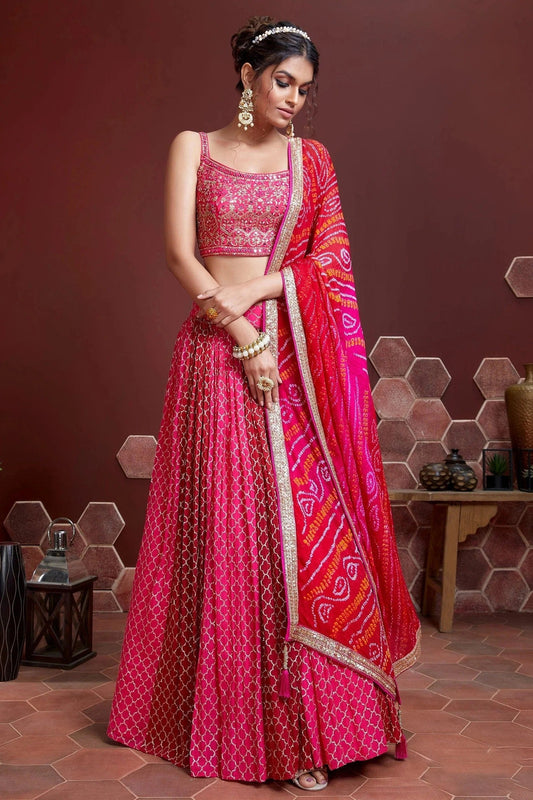
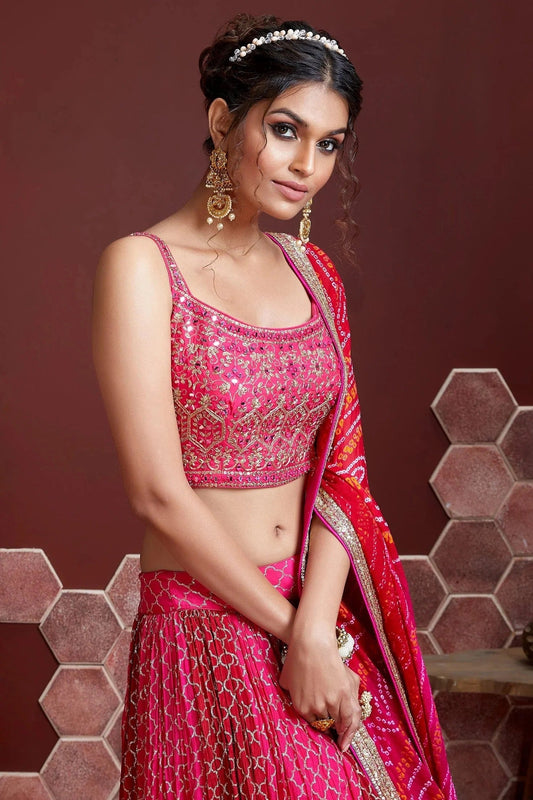
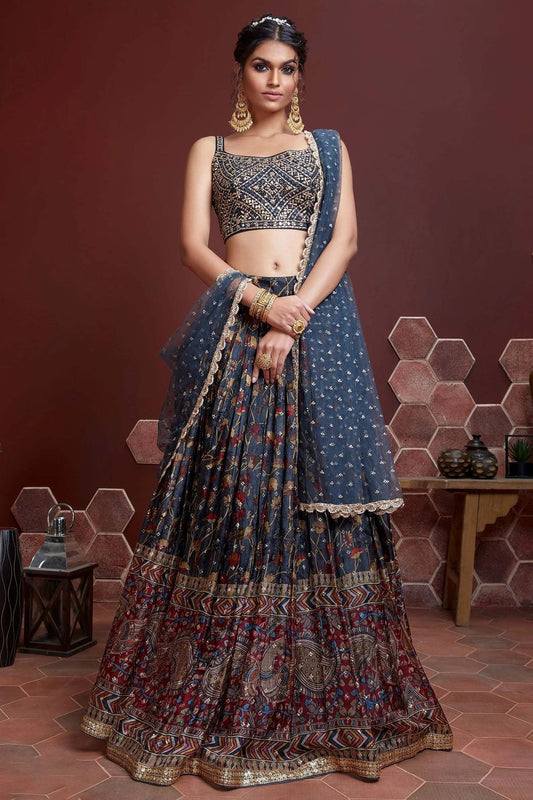
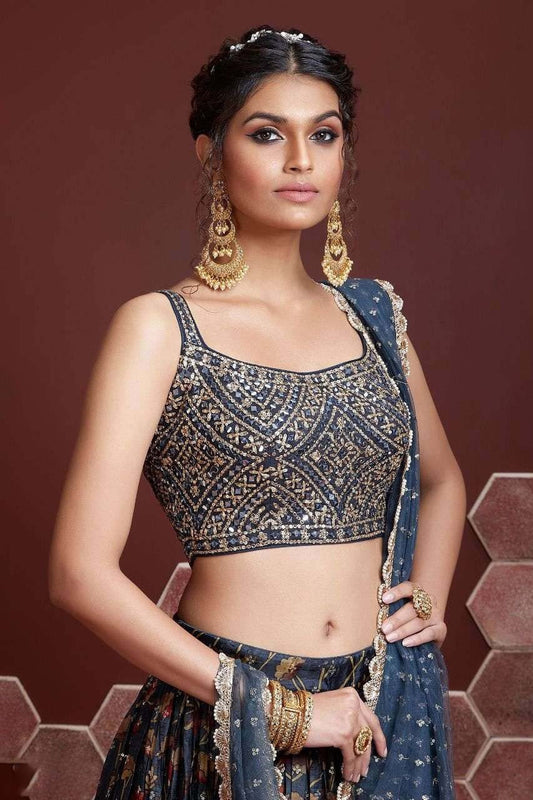
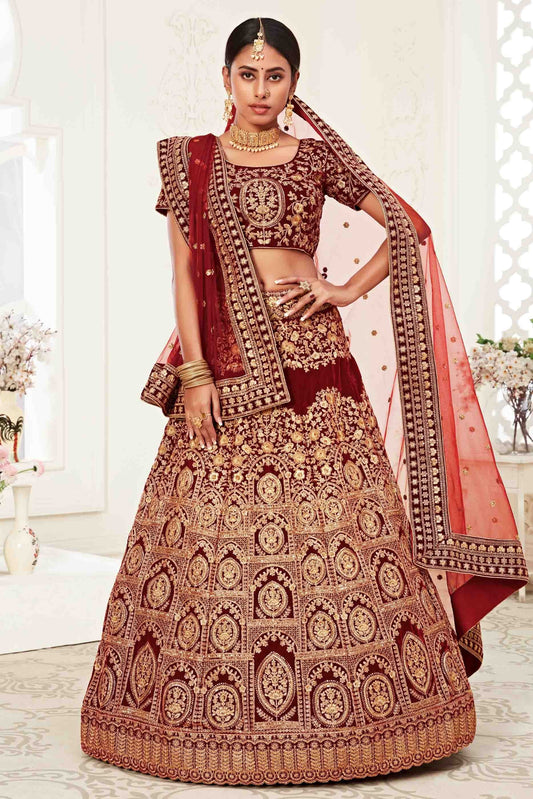
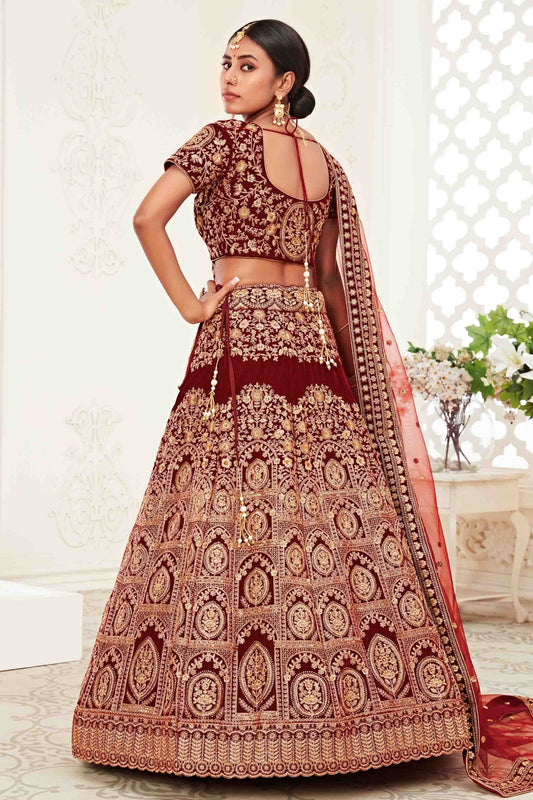
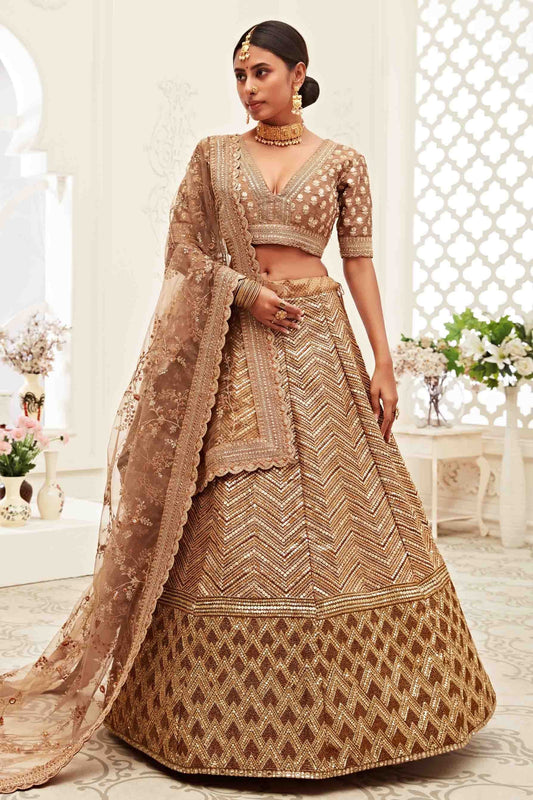
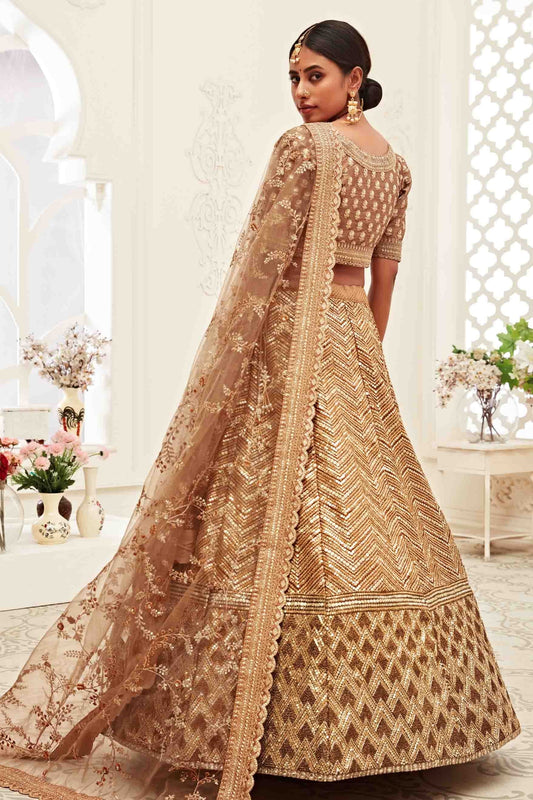
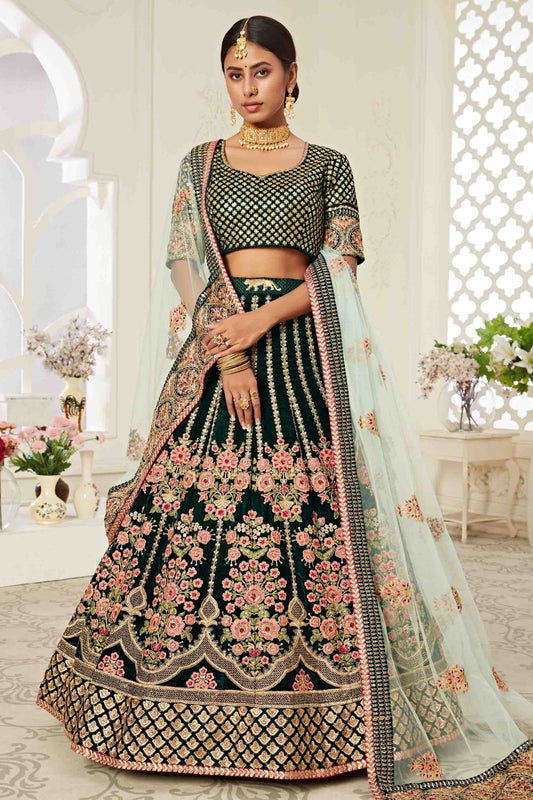
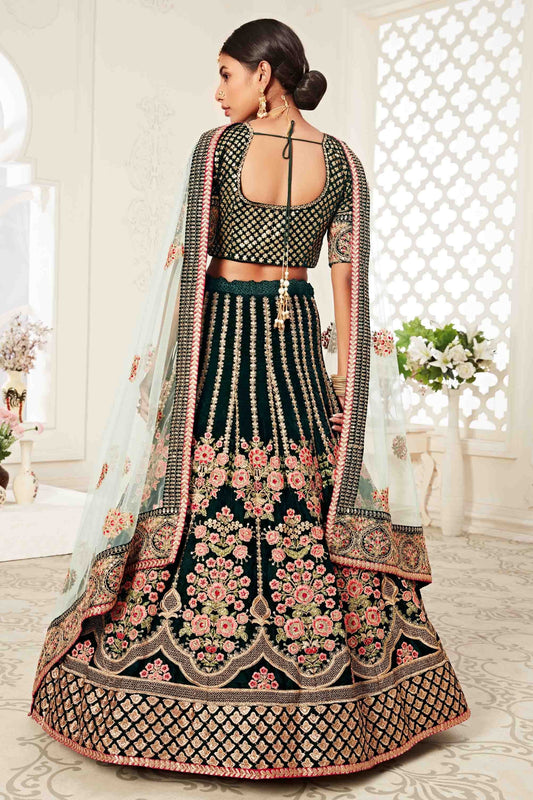
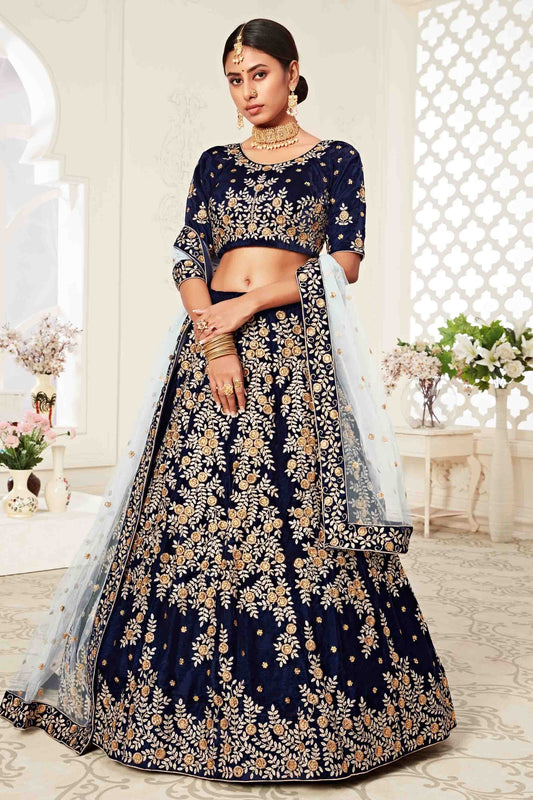
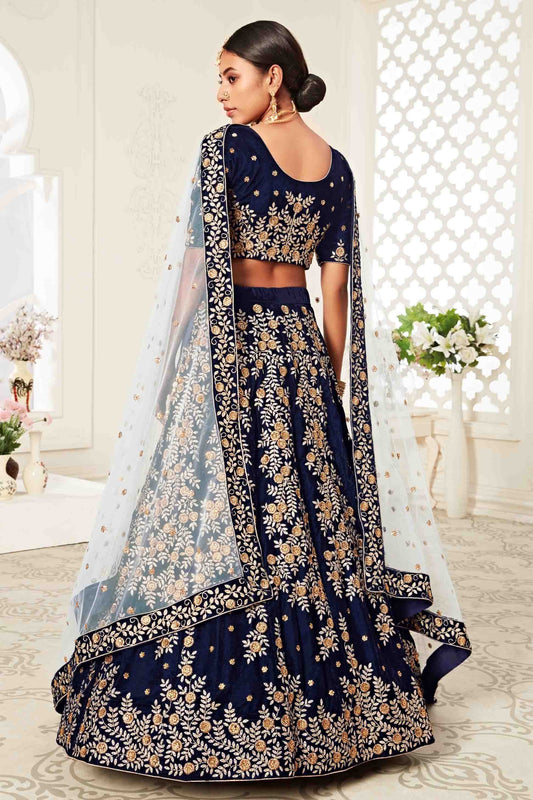
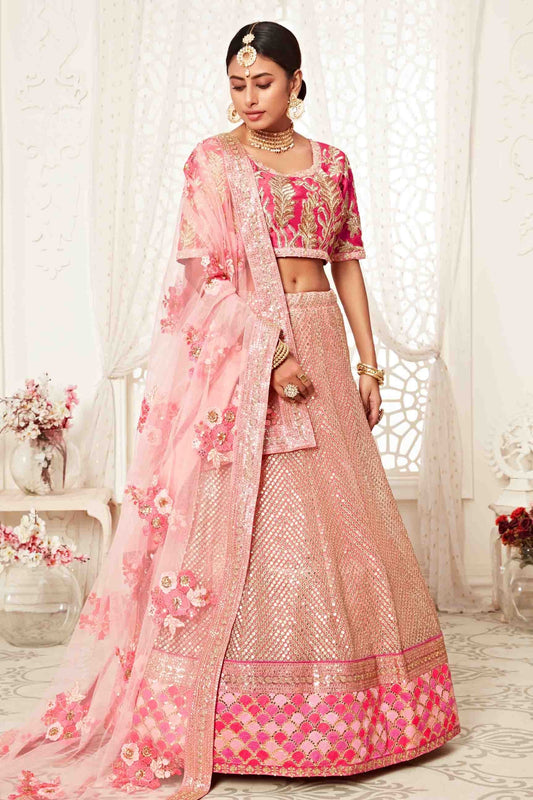
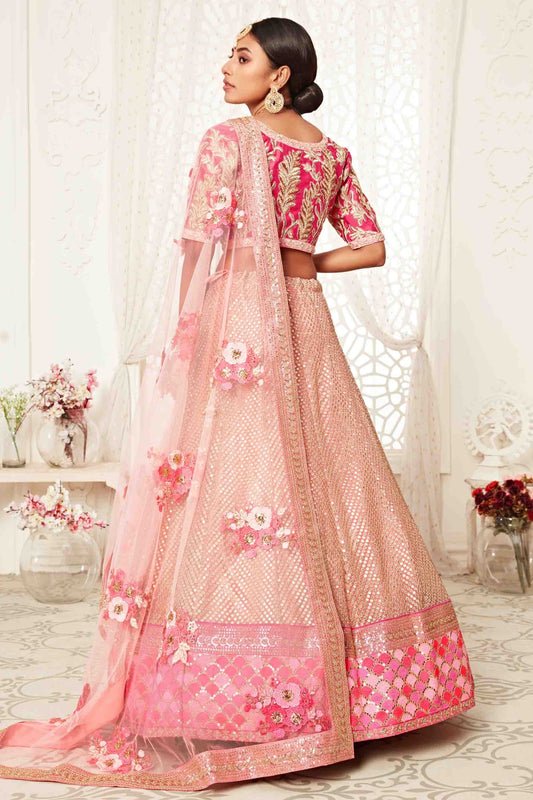
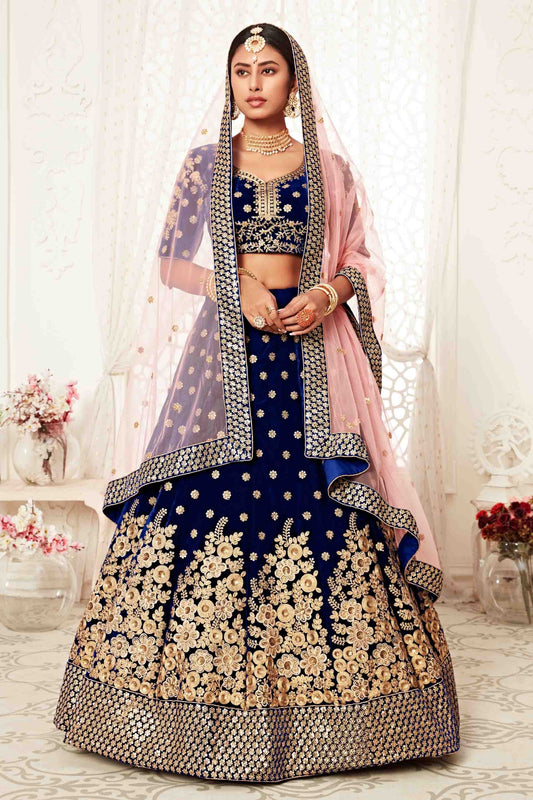
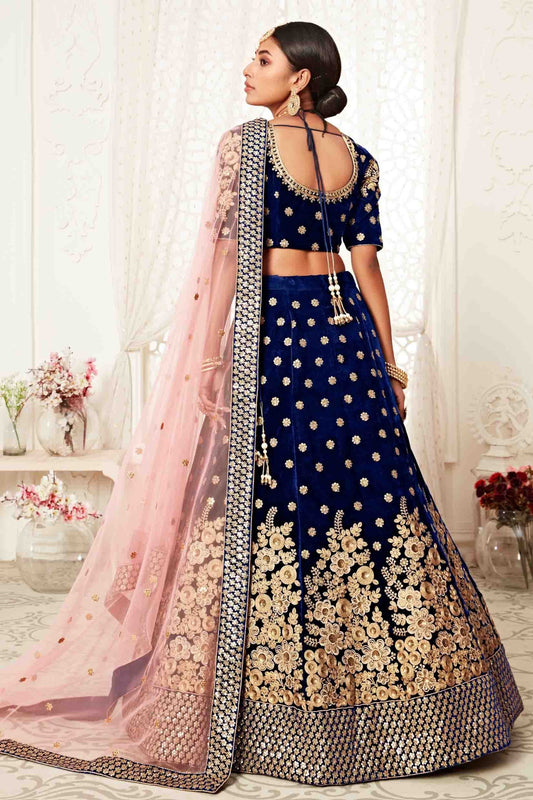
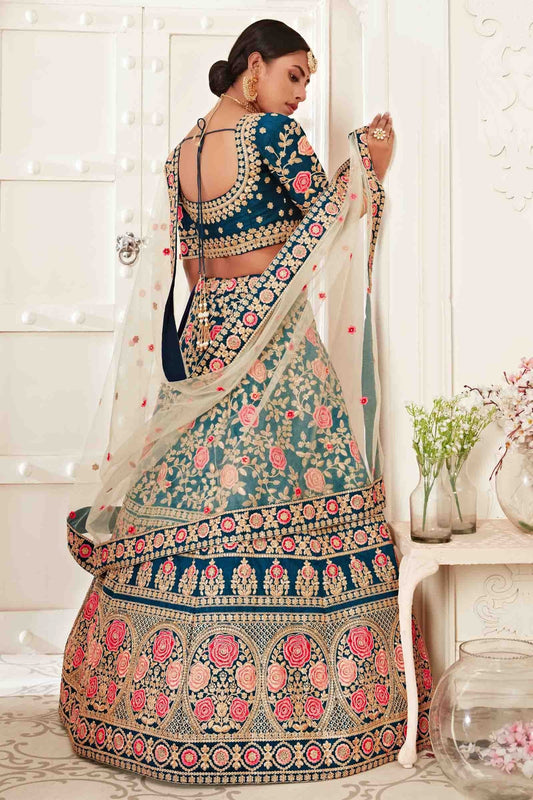
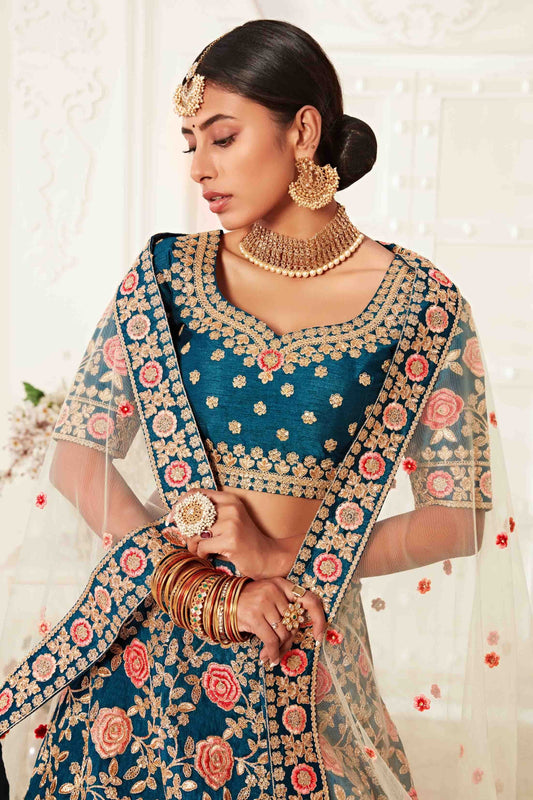
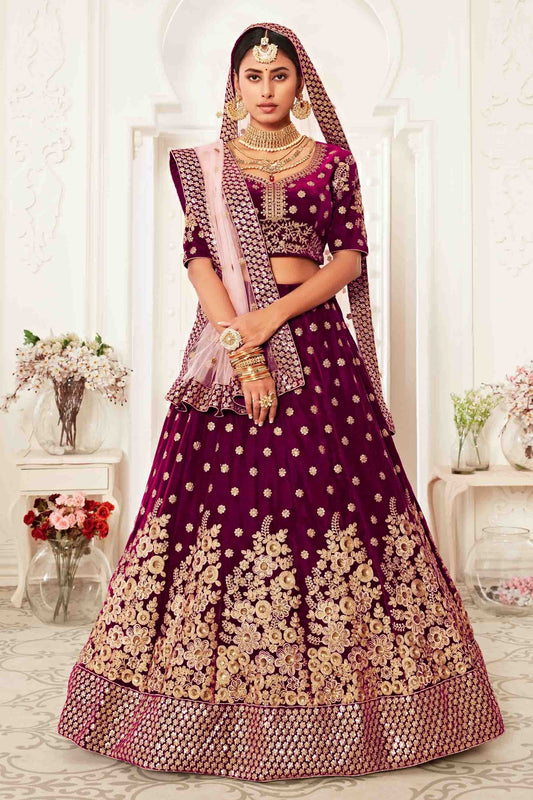
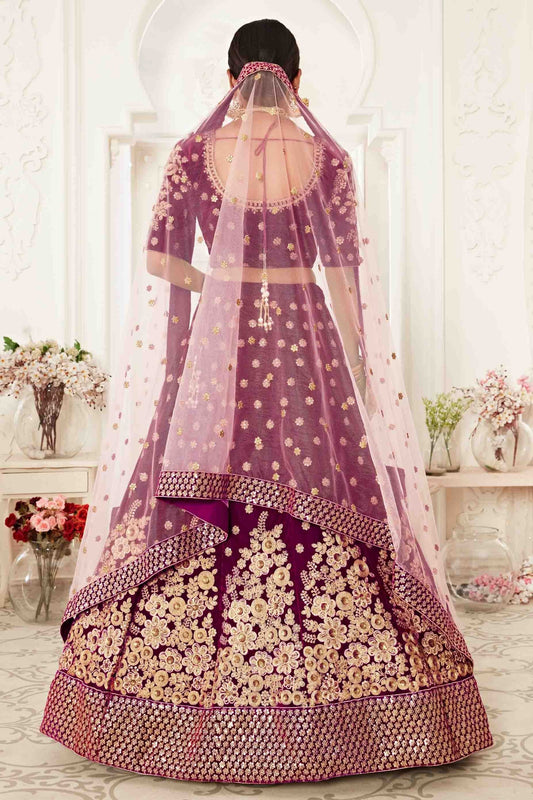
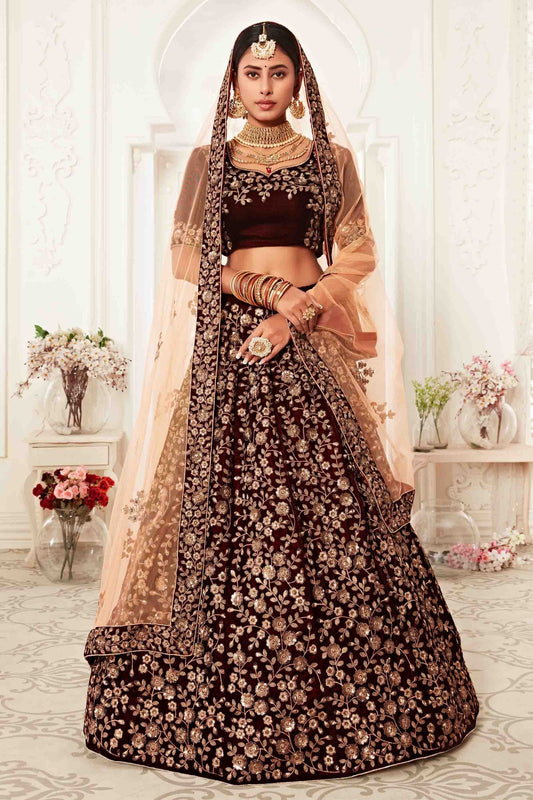
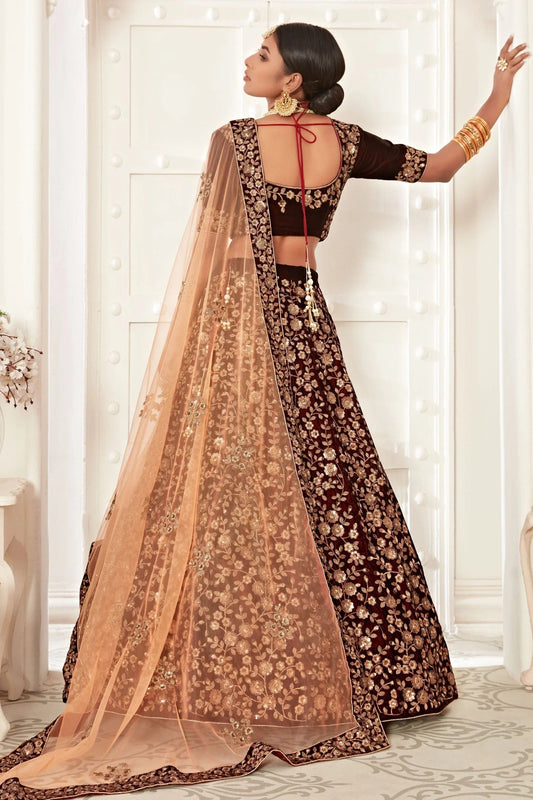
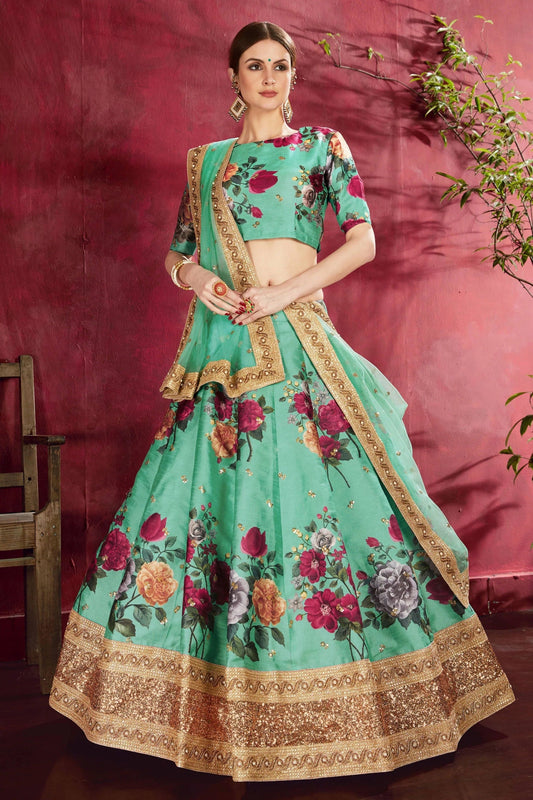
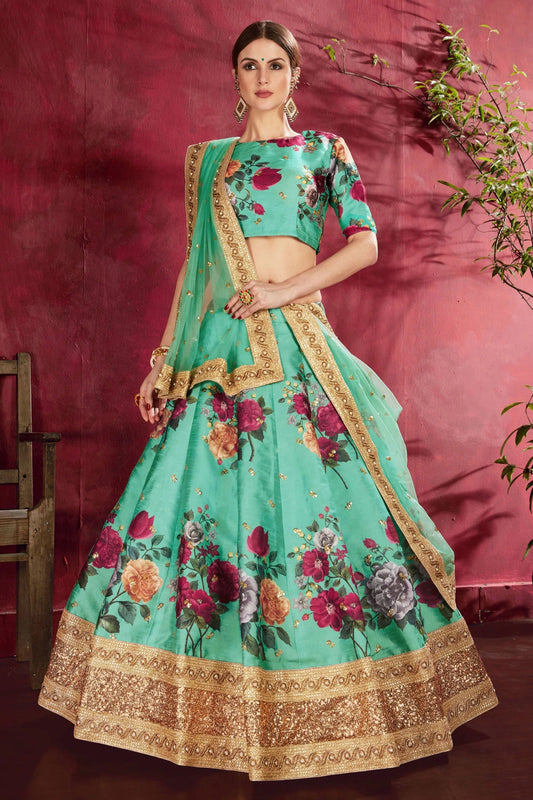
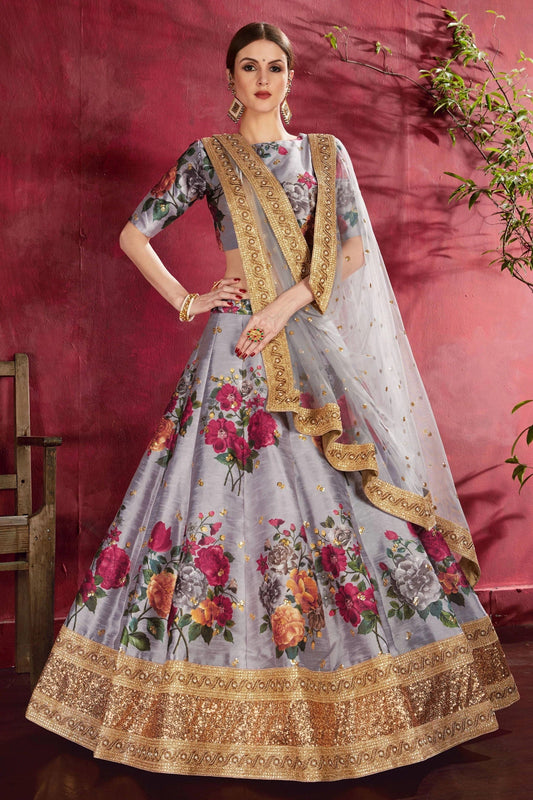
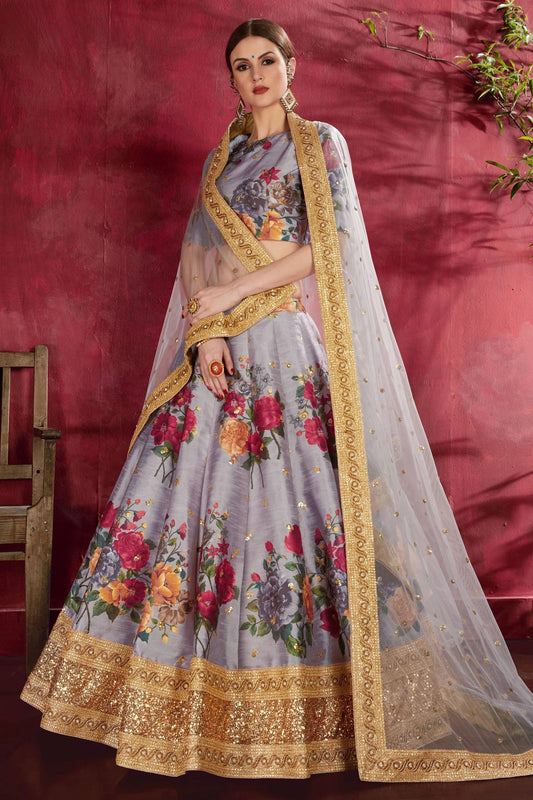
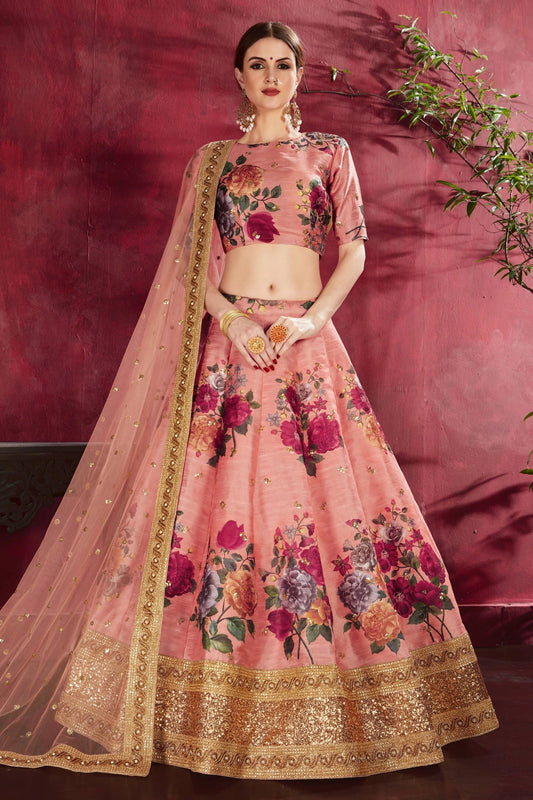
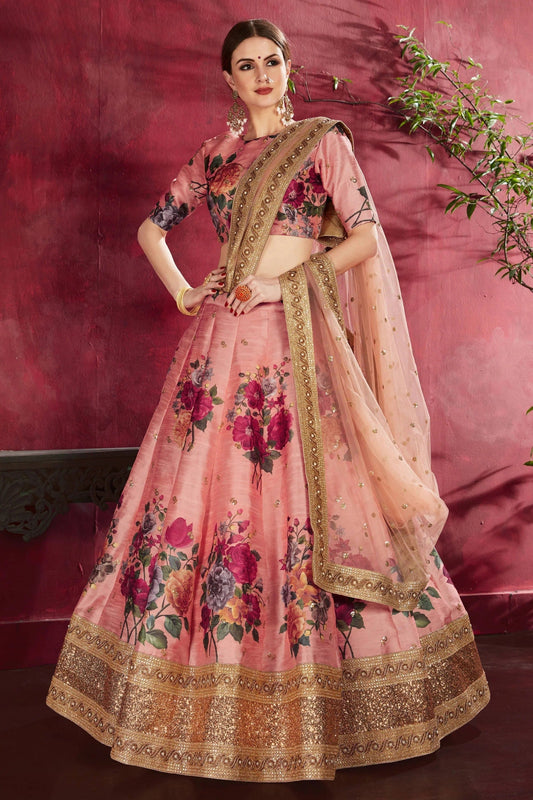
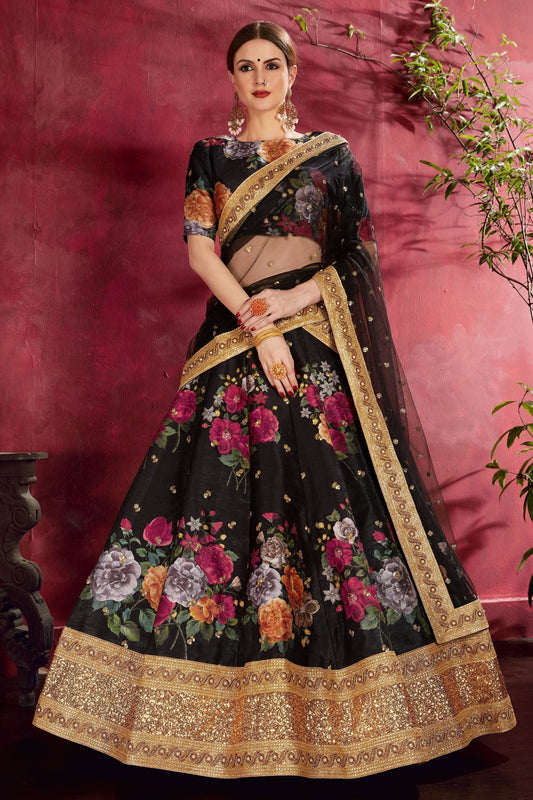
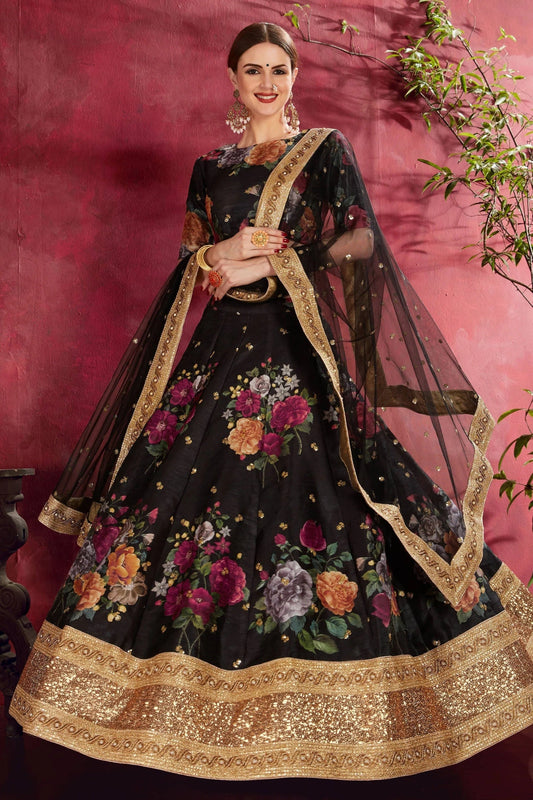
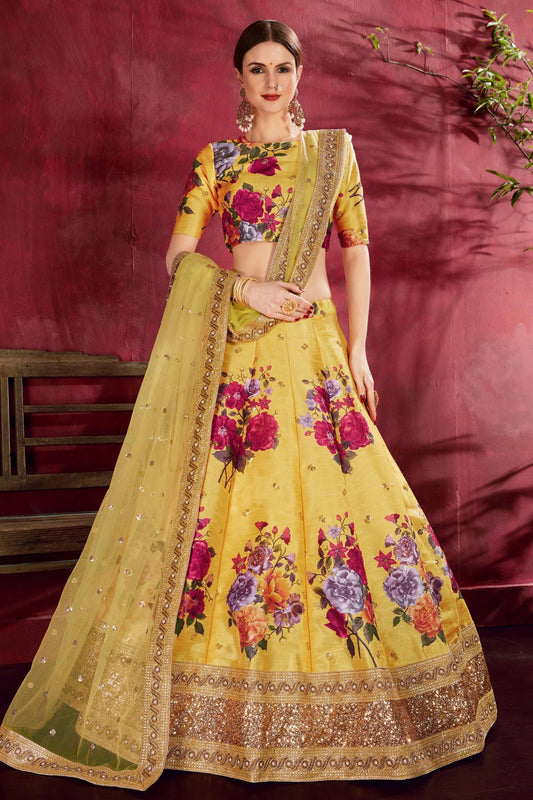
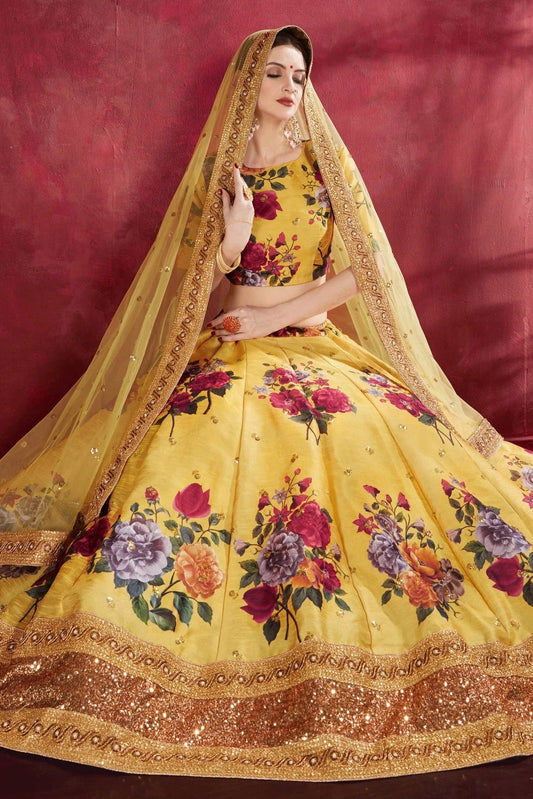
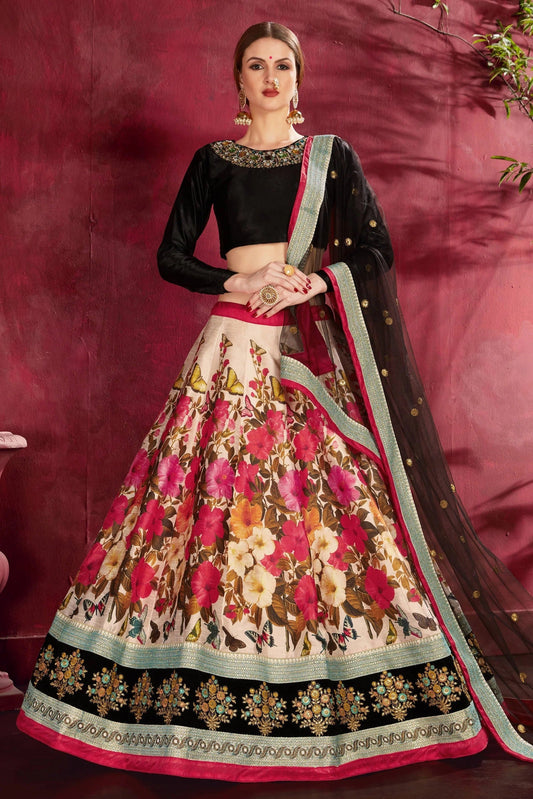
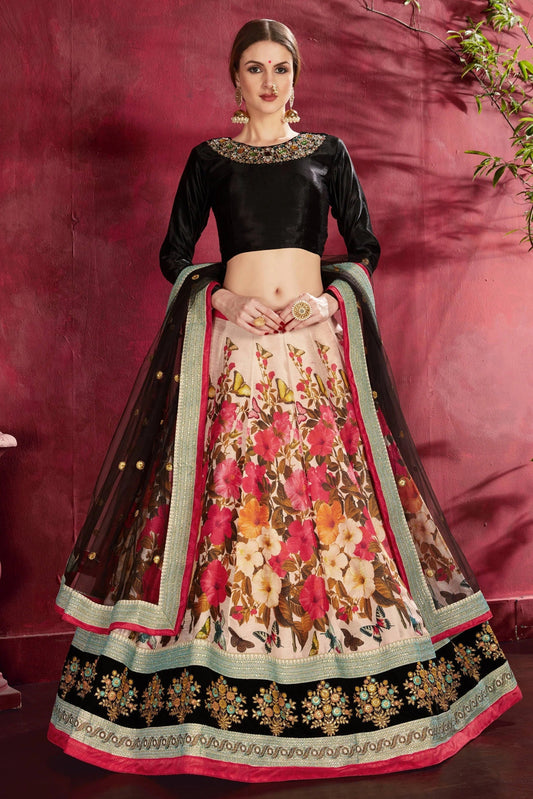
Women often go for fresh sarees, usually colourful, sometimes printed, sometimes traditional. In some homes, lehengas or salwar suits make more sense, depending on how big the celebration is.
Men keep it easy. Kurtas and pyjamas are common. Some stick to shirts and trousers, especially if the day is more about visiting relatives than rituals.
Since Sankranti also marks the end of the inauspicious Paush period, many families schedule pujas, engagements, and house-warming ceremonies around this time. The clothes reflect that mood. Clean. Bright. Optimistic.
How the day actually feels
In the north, Sankranti often lines up with the beginning of the Kumbh Mela. Millions gather to take a dip in the Ganga. Faith aside, the scale of it is something else.
Punjab’s Lohri nights are loud and warm despite the cold. Maharashtra keeps it personal with sweets, gifts, and conversations that last longer than planned. Gujarat turns the sky into a festival ground. Tamil Nadu stays close to the land, the harvest, the sun.
Different rituals. Different foods. Different languages.
But the emotion stays the same.
Makar Sankranti is about fresh starts without making a big speech about it. About food shared without invitations. About looking up at the sky and feeling like the hard part of winter is almost over.
And honestly, that feeling never gets old.
FAQs - Click a question to view the answer