Navratri Day 3: Tritiya and the Quiet Power of Maa Chandraghanta
Share
Navratri Day 3 always feels a little different to me. Not louder. Not more dramatic. Just… settled. By the time Tritiya arrives, the routine has kicked in. The early mornings don’t feel strange anymore. The smell of agarbatti in the house feels normal. The body remembers the rhythm before the mind does. And somewhere in that rhythm sits Maa Chandraghanta.
Tritiya is known as Sindoor Tritiya, and that detail matters more than people realize. Sindoor isn’t decoration here. It’s a marker of transition. Goddess Parvati has crossed a long journey by this point. Years of penance, restraint, discipline. She’s no longer the ascetic lost in meditation. She’s married now. She’s rooted. A wife, a protector, a force that knows when to be calm and when to act.
That half-moon on her forehead tells the story better than words ever could. A crescent, shaped like a bell. Chandra plus ghanta. Chandraghanta. Scriptures say the sound of this bell destroys evil forces. But sit quietly during a Tritiya puja and you’ll feel something subtler. The bell quiets the inside noise. The overthinking. The tension that creeps in without asking permission. That’s the protection most people actually seek.
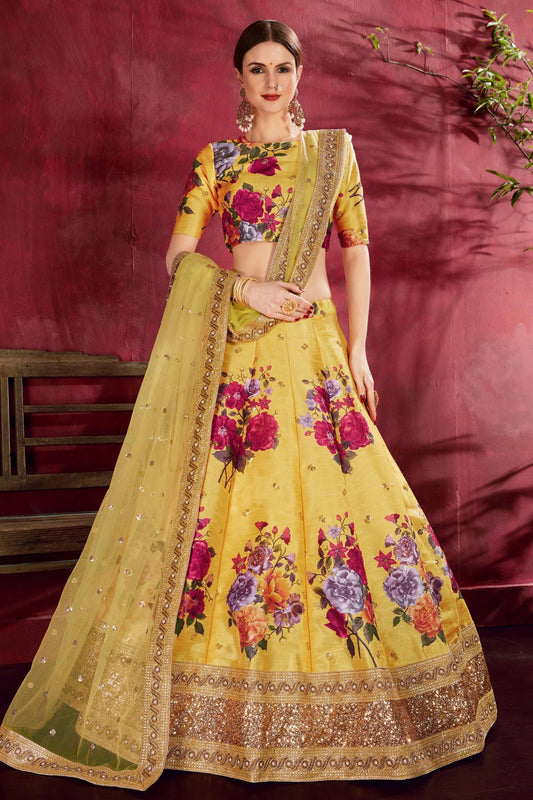
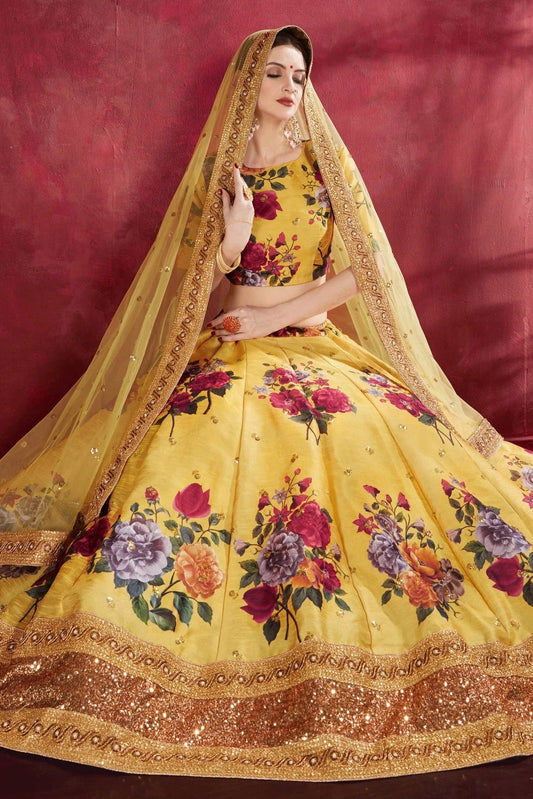
On Navratri Day 3, the worship doesn’t feel rushed. Milk is offered to the goddess. Simple. Cooling. No overload of flavors or fragrance. Milk calms the system, and symbolically, it cools emotional heat too. Yellow is the color everywhere. Not flashy yellow. A grounded yellow. Like turmeric on fingertips. Like the first sunlight hitting the floor. Yellow doesn’t scream celebration. It gently lifts the mood.
Astrologically, Maa Chandraghanta is linked with Shukra, Venus. Love, beauty, comfort, harmony. That connection makes sense when you look at her form. She carries weapons, yet her expression is peaceful. She rides a tigress, not in rage, but in control. Many people pray to her on Tritiya for stability in relationships, for mental peace, for clarity in emotional decisions. You’ll rarely hear these wishes spoken aloud, but they sit quietly in folded hands.
Her form stays with you. Ten arms. Each holding something deliberate. A sword. A trishul. A gada. A kamandal. On the other side, a lotus, an arrow, a bow, a jap mala. One hand blessing. One hand assuring protection. It’s not chaos. It’s balance. She doesn’t reject the world, nor does she cling to it. She manages it.
The Devanagari name, चंद्रघंटा, has its own music. During morning aarti, the stuti flows through homes and temples/b>
“या देवी सर्वभूतेषु माँ चंद्रघंटा रूपेण संस्थिता। नमस्तस्यै नमस्तस्यै नमस्तस्यै नमो नमः।”
Some people chant confidently. Some stumble. Some just close their eyes and listen. No one corrects anyone. That’s the beauty of these mornings. Faith isn’t graded.
What draws me most to Maa Chandraghanta is her temperament. She isn’t constantly fierce. She doesn’t chase conflict. But when injustice shows up, she doesn’t negotiate with it either. That’s a lesson that hits close to home. Being calm doesn’t mean being unaware. Being gentle doesn’t mean accepting harm. Tritiya carries that reminder quietly, without preaching.
Outside the puja room, Navratri moves to music and movement. Streets light up. Speakers crackle. Feet start tapping without instruction. One traditional form that captures devotion through movement is the Dhunuchi Dance, especially during Durga Puja in Bengal. It’s usually performed in the evening, after aarti. Dancers hold earthen pots filled with burning coconut husk or coal. Smoke rises thick. Drums beat harder. Bells clash. Cymbals follow. The dancers sway, barefoot, hands steady despite the heat. It’s not polished. It’s intense. Watching it live pulls you in completely. No filters. No retakes. Just faith in motion.
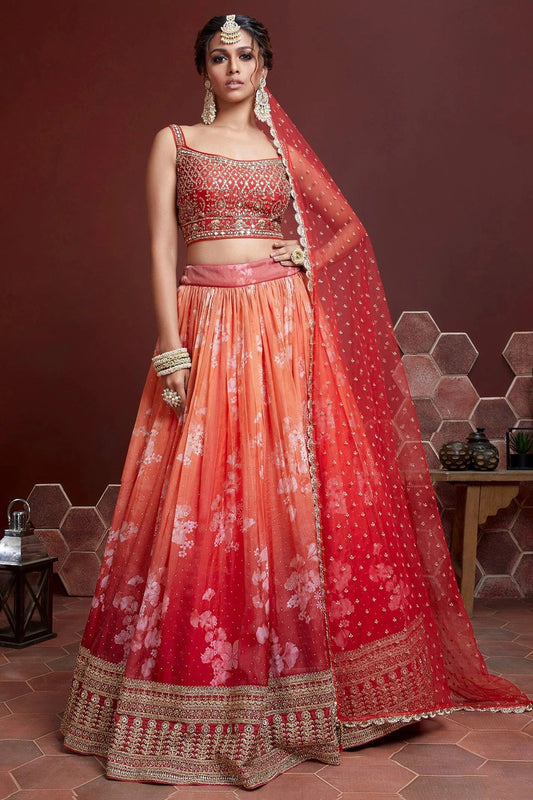
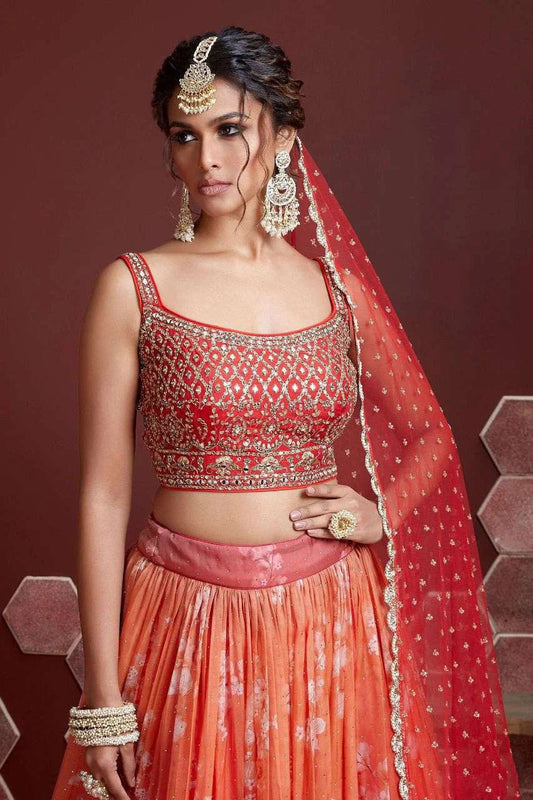
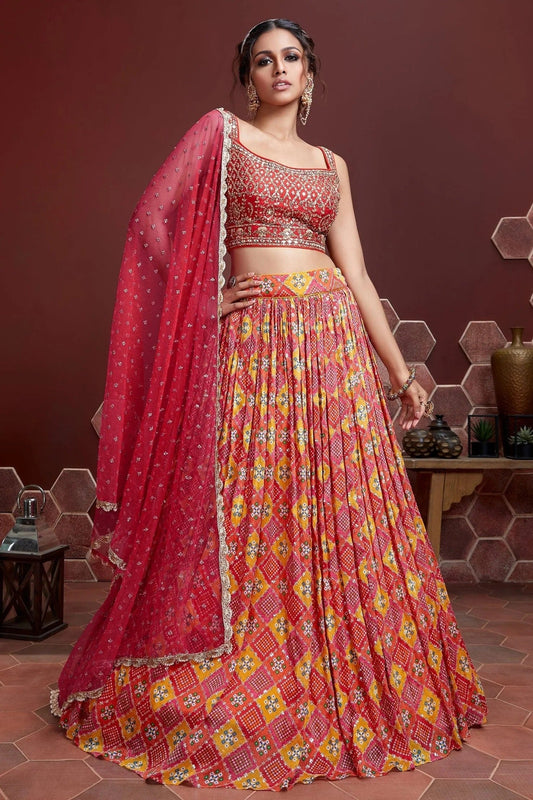
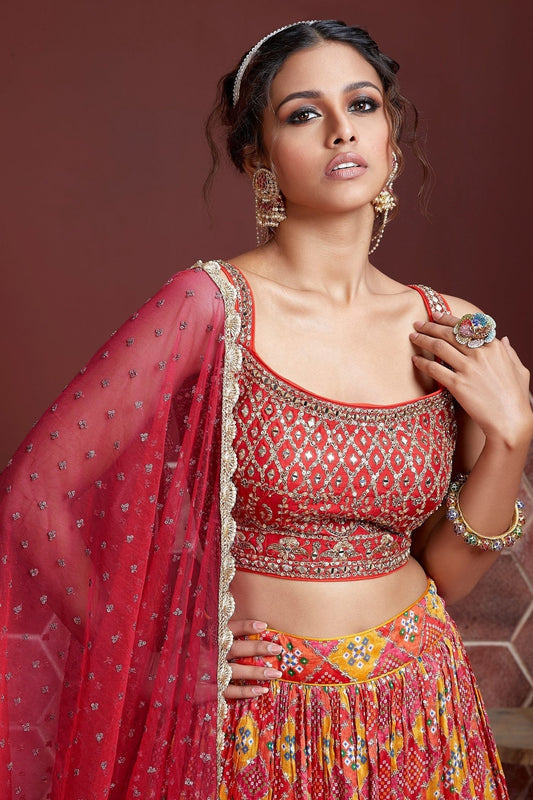
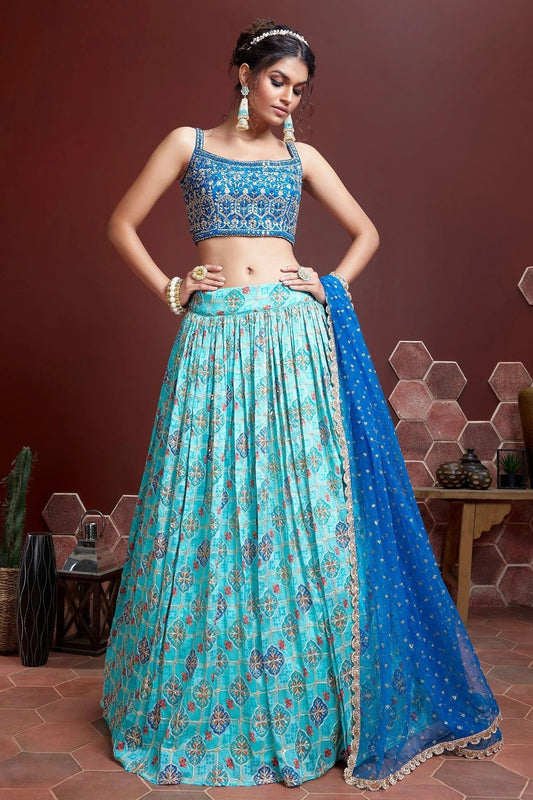
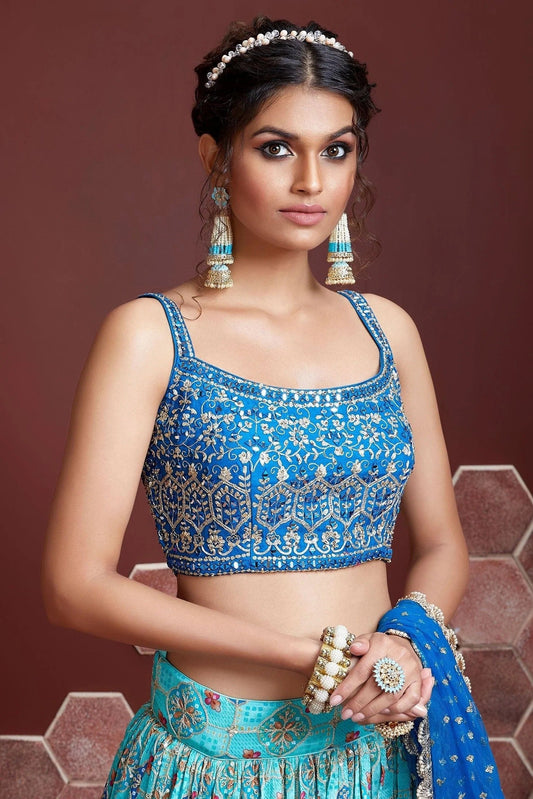
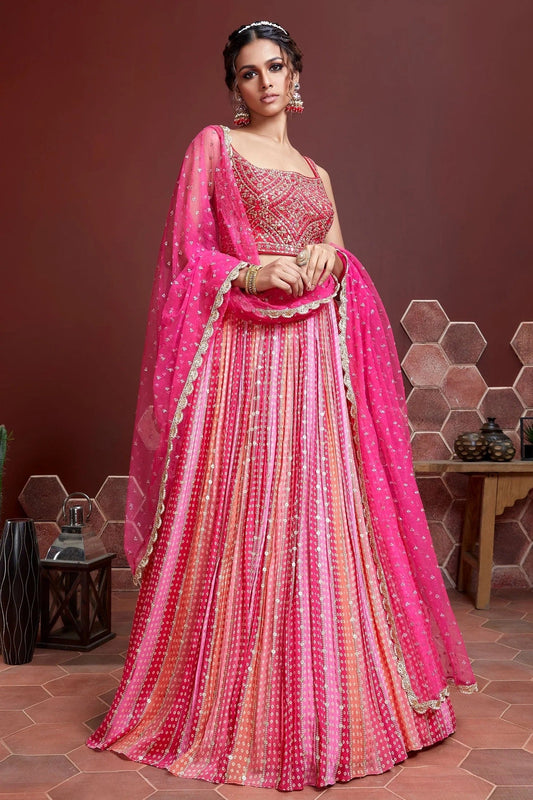
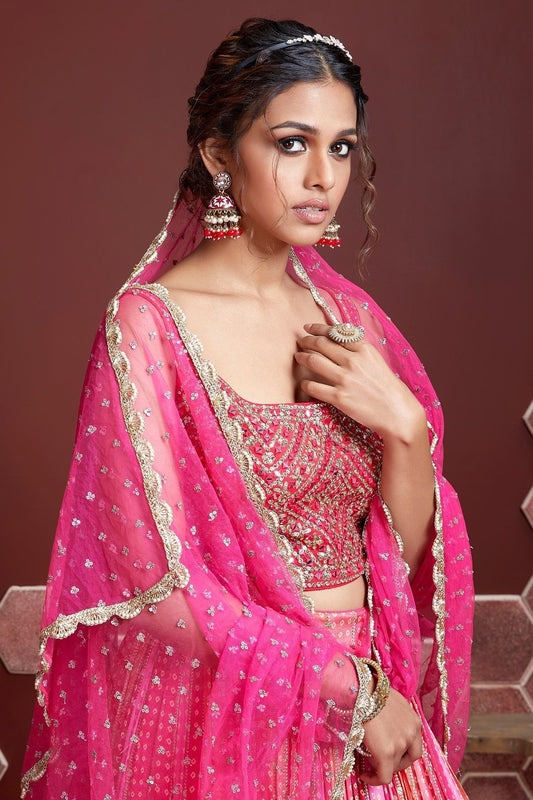
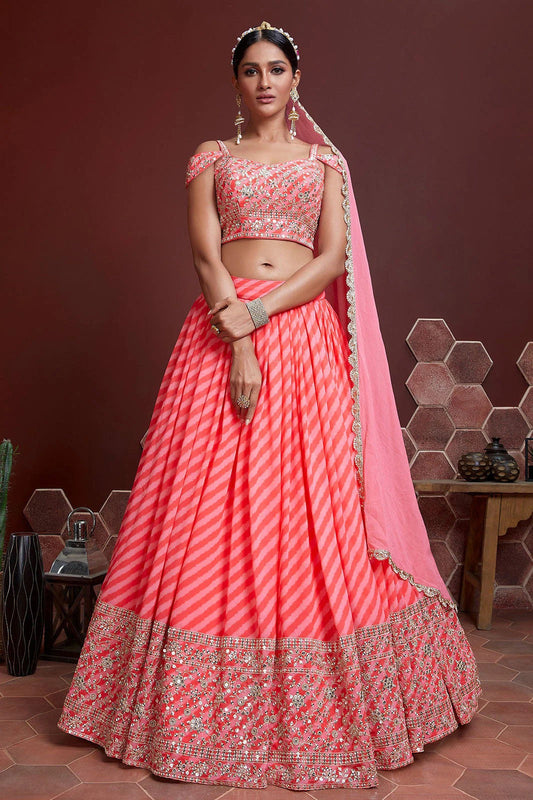
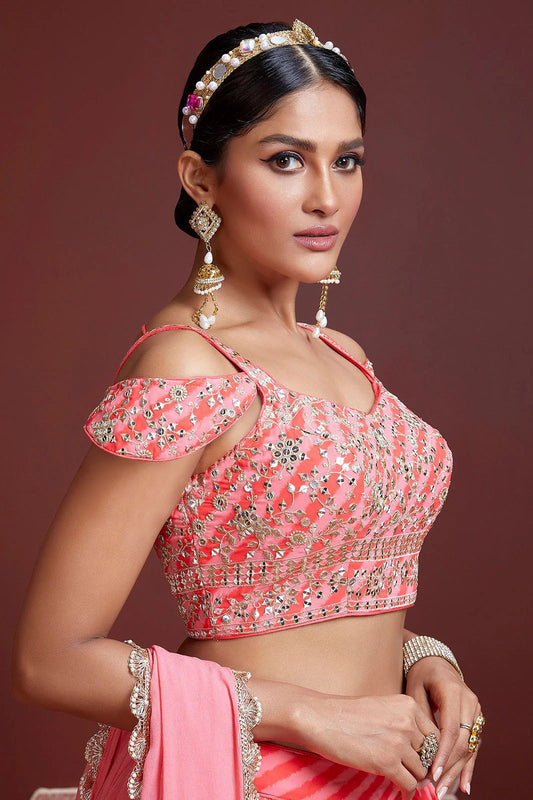
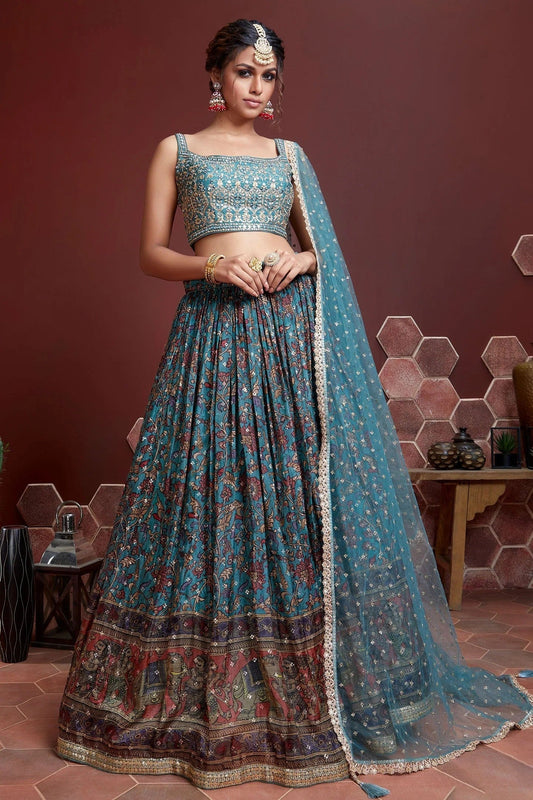
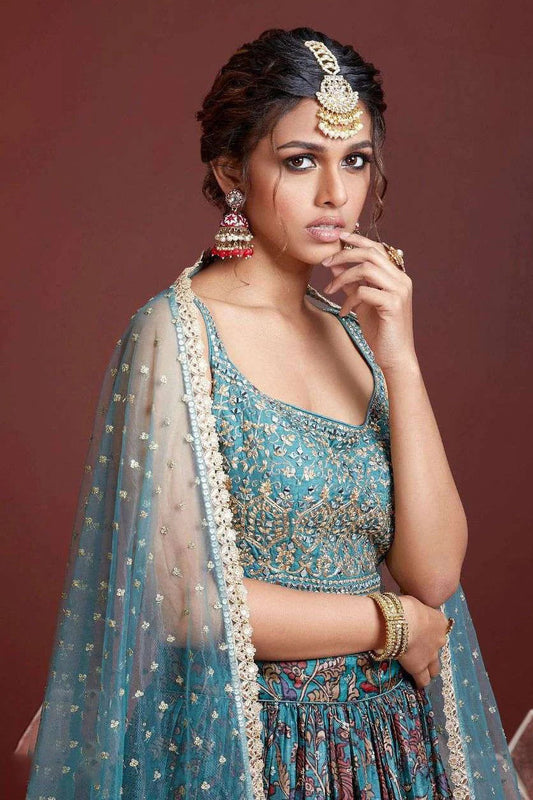
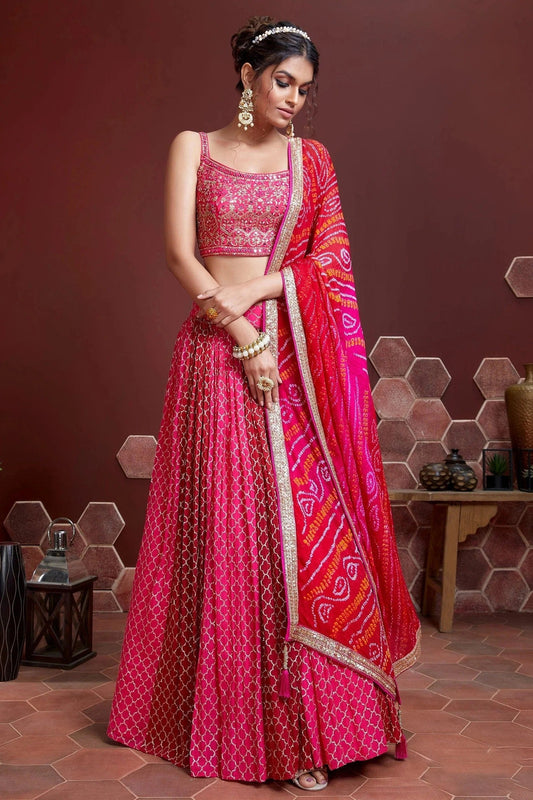
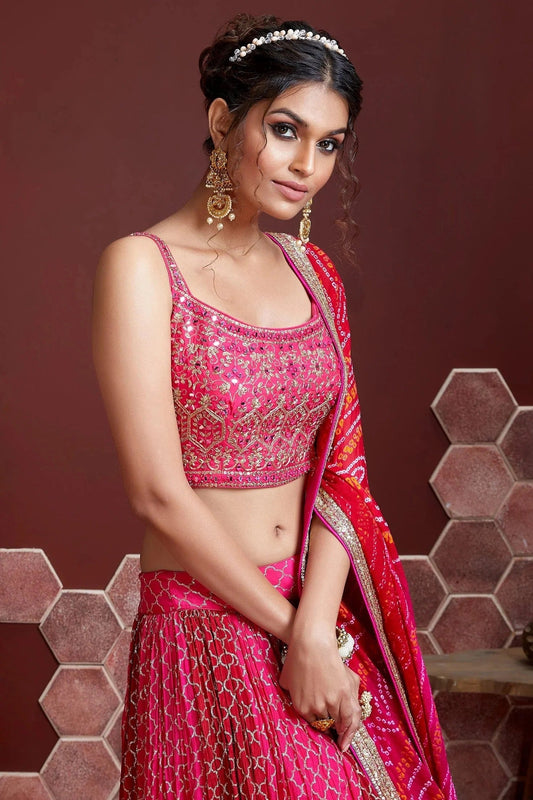
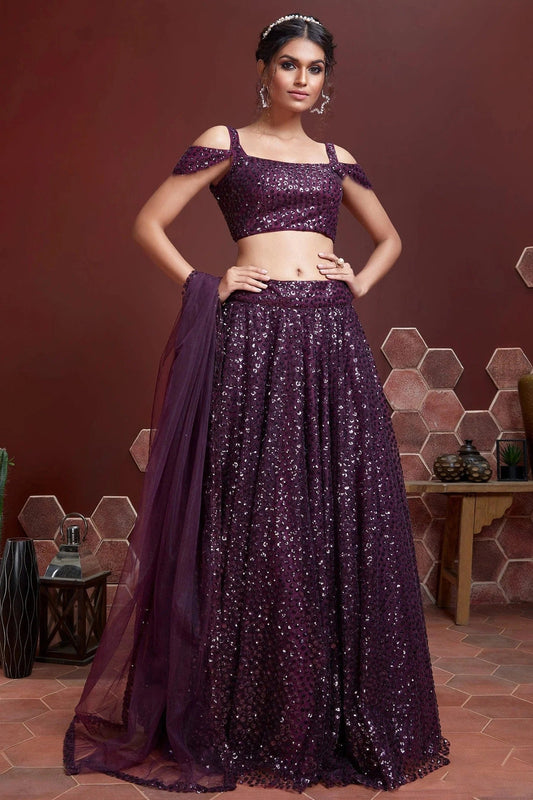
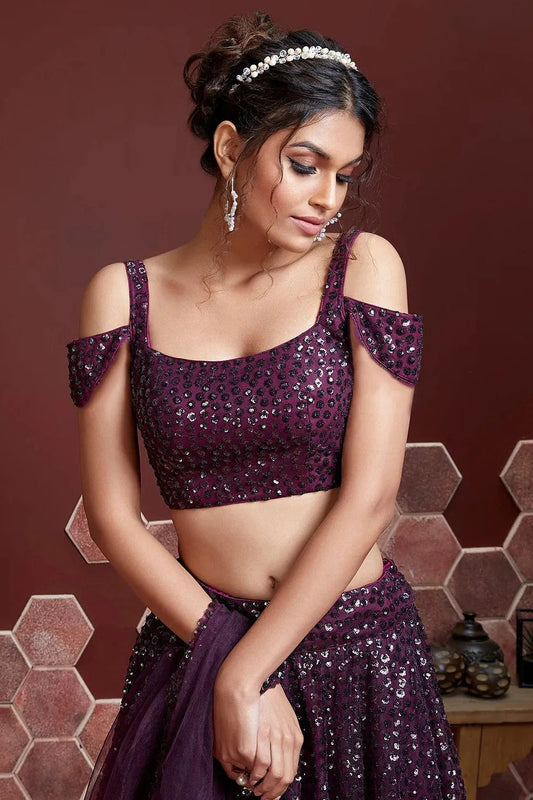
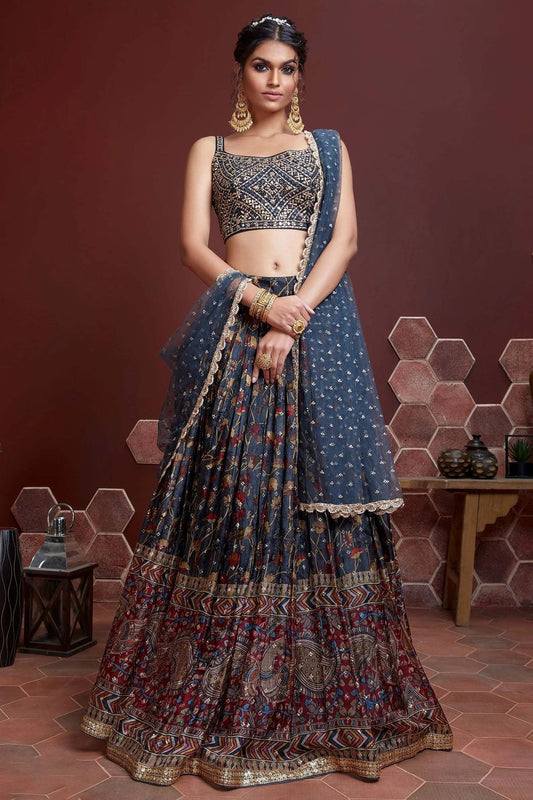
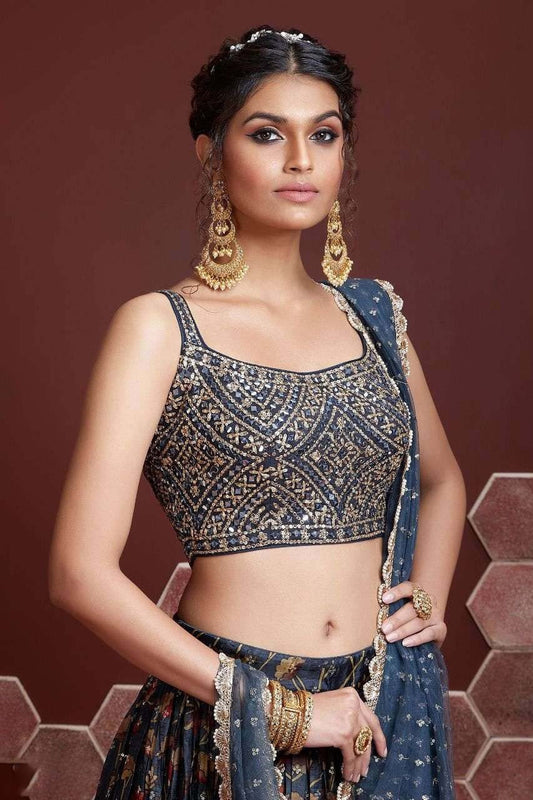
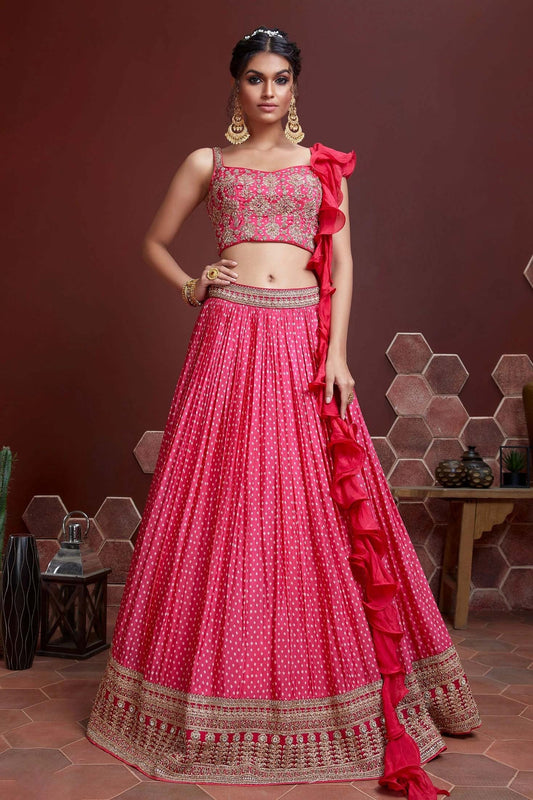
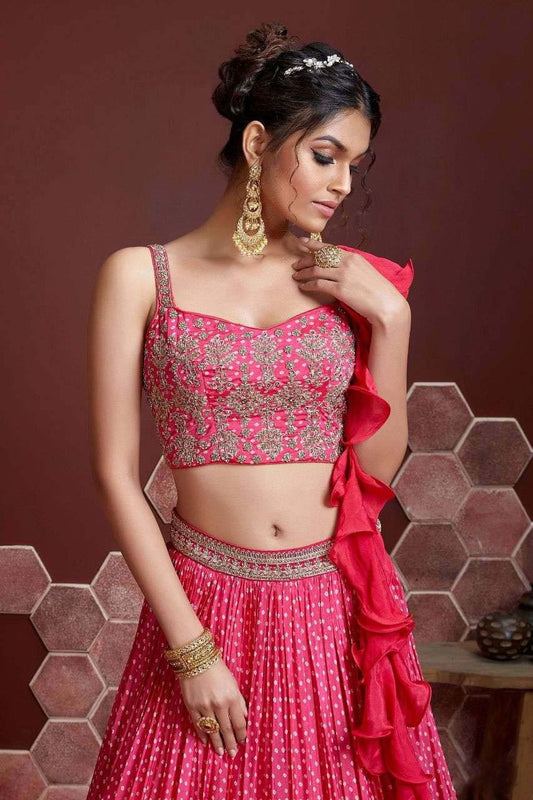
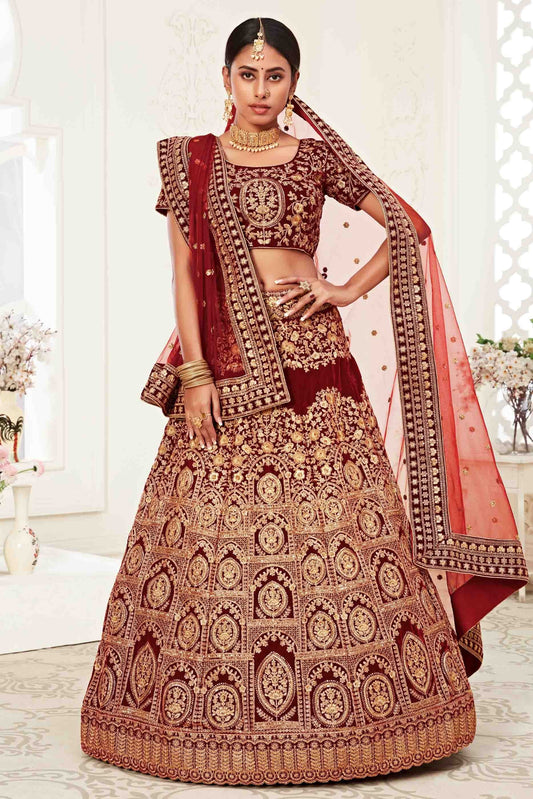
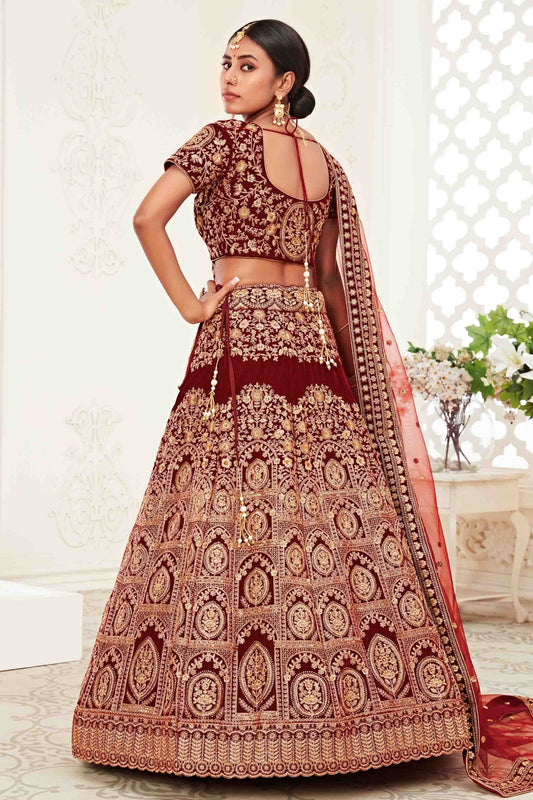
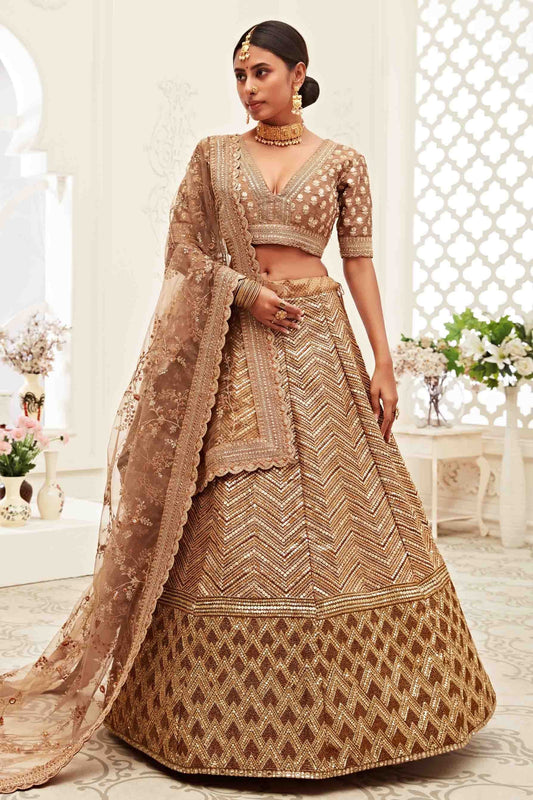
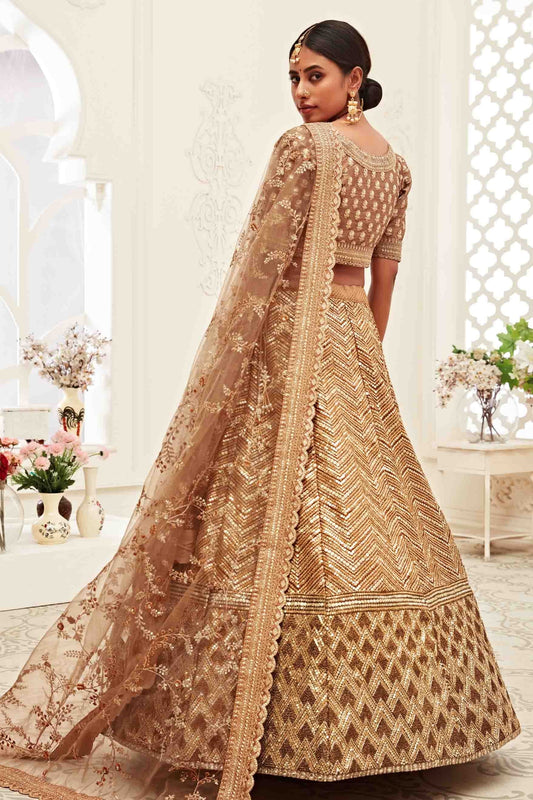
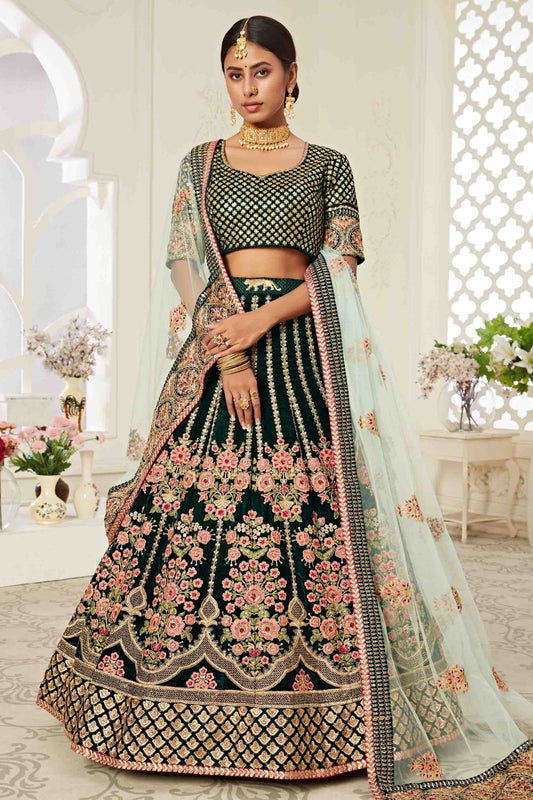
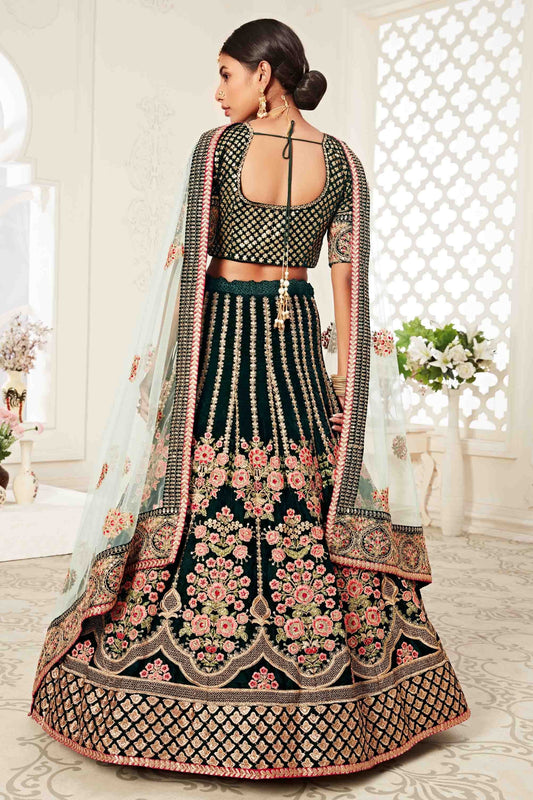
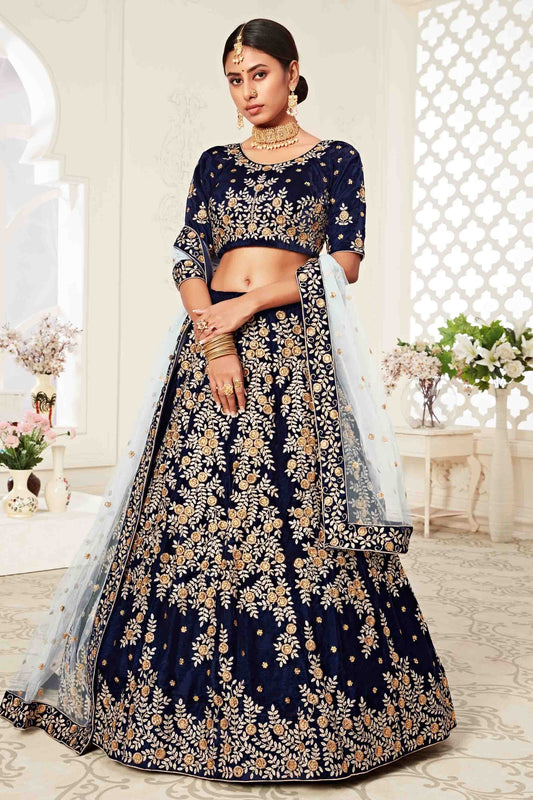
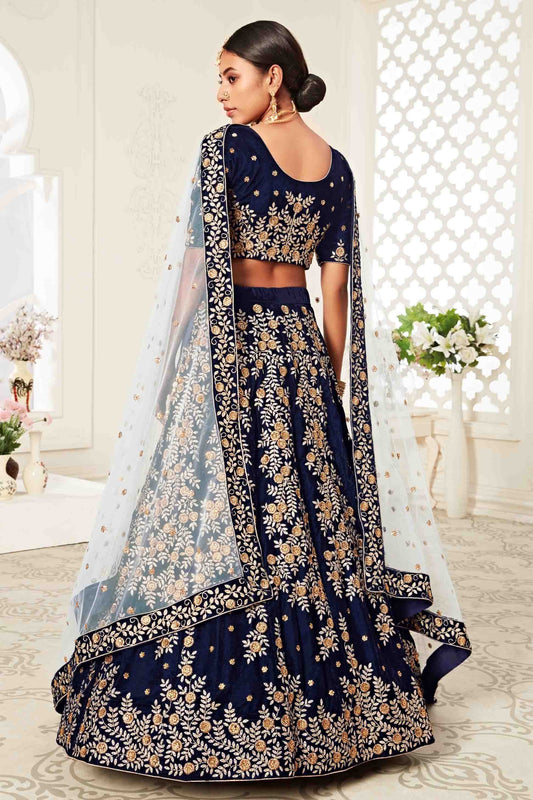
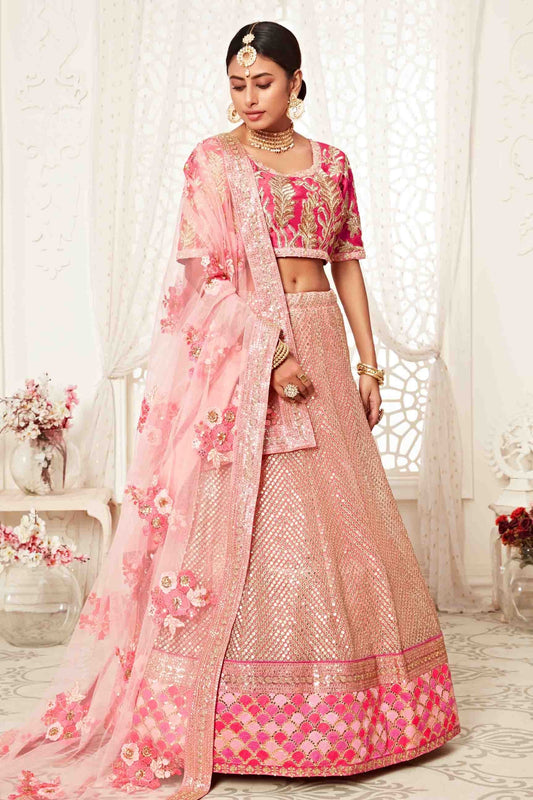
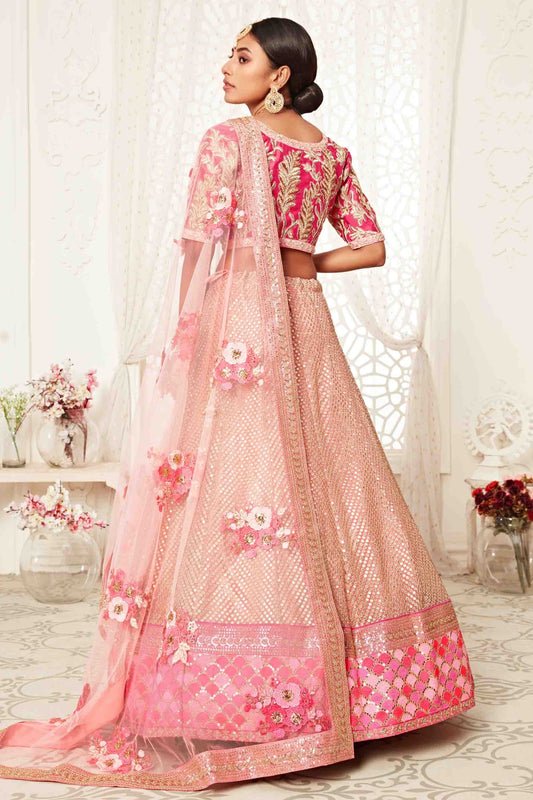
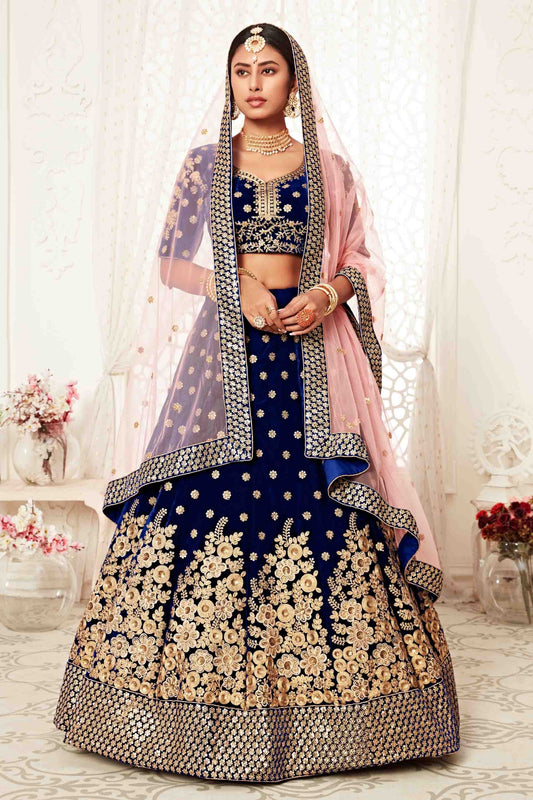
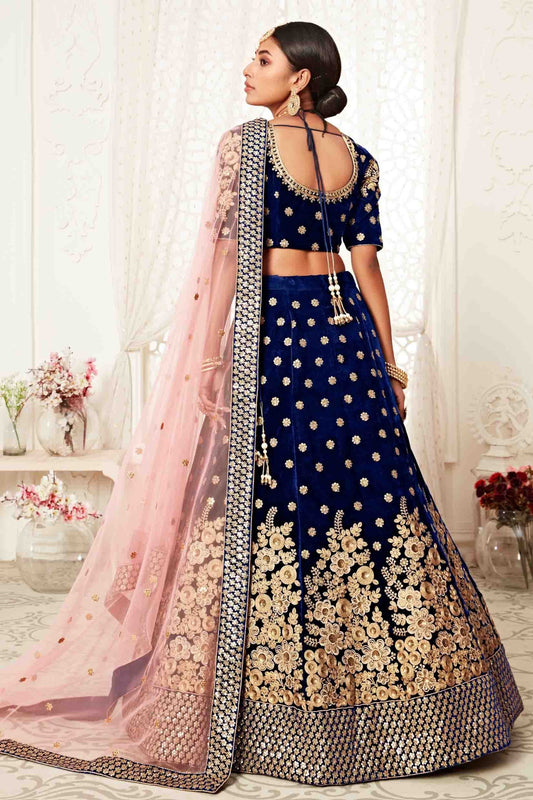
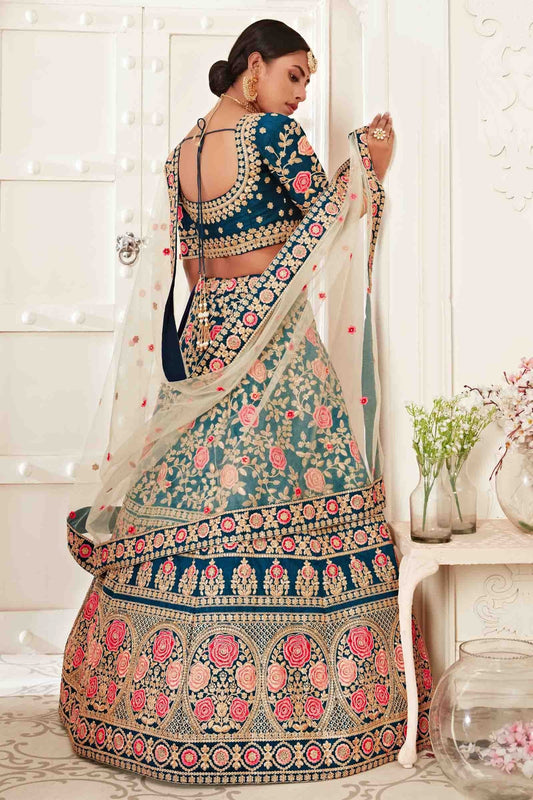
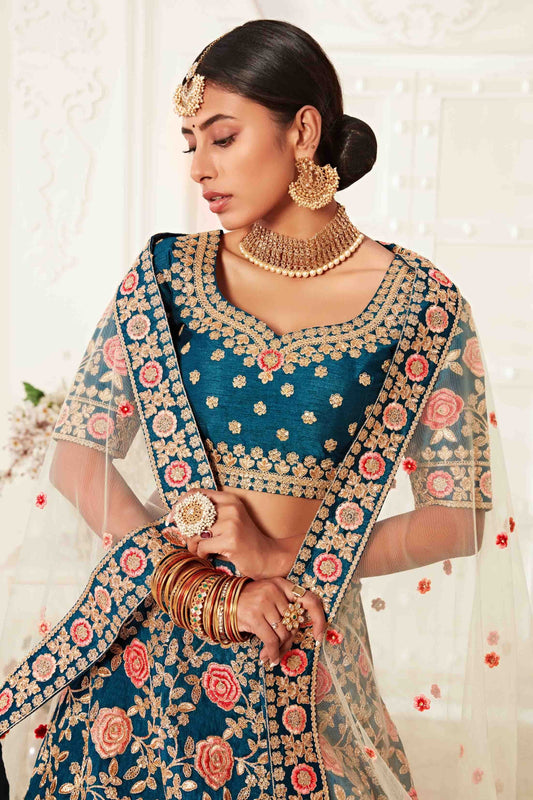
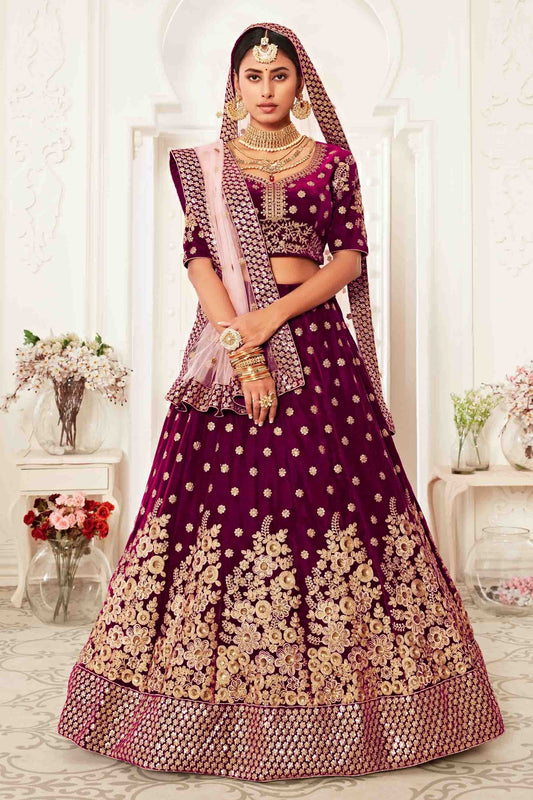
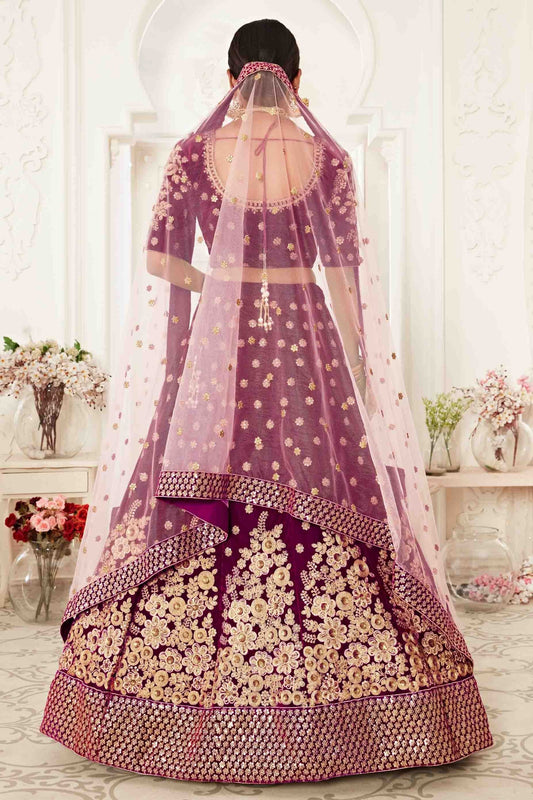
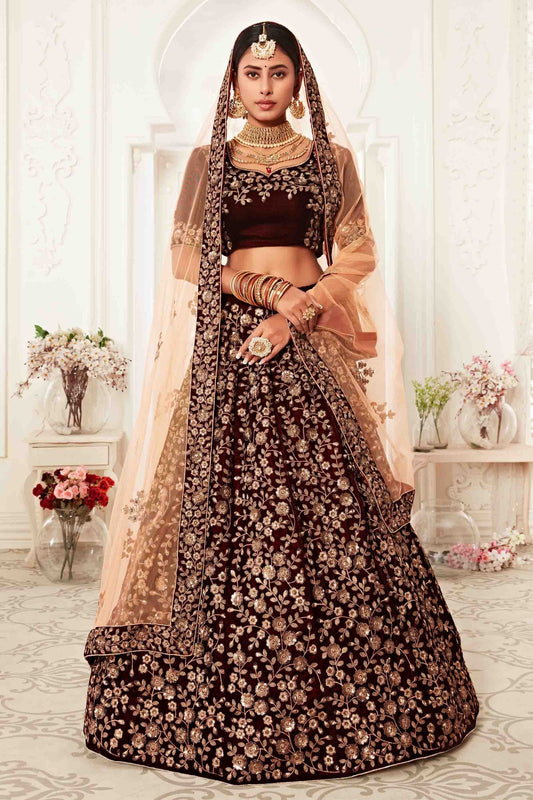
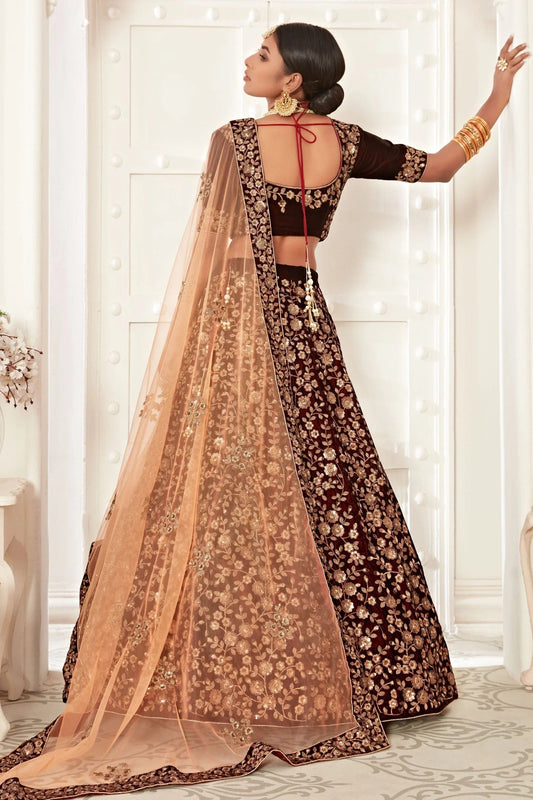
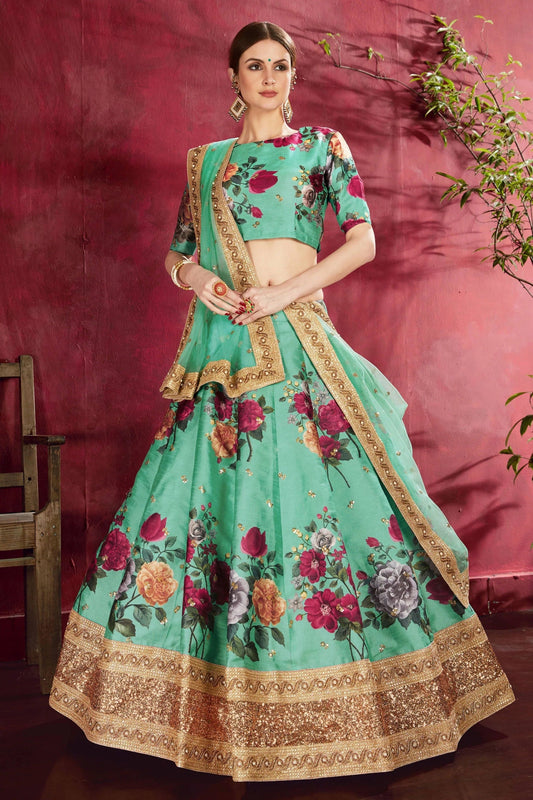
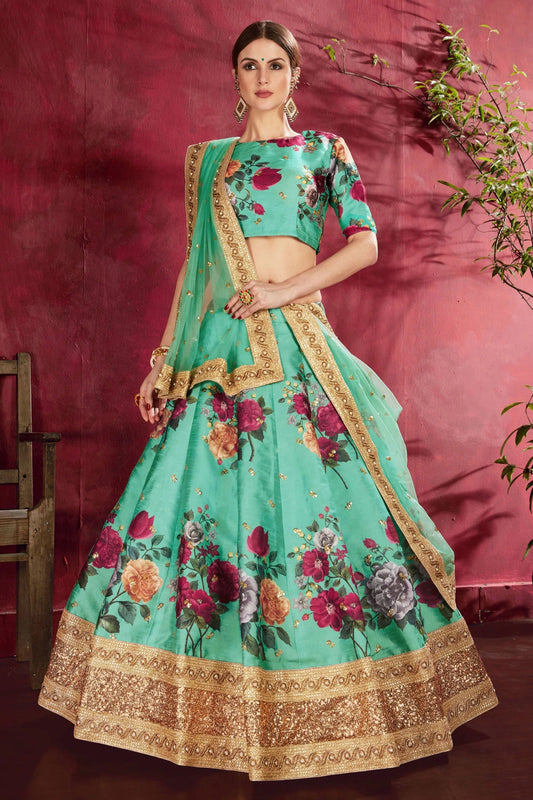
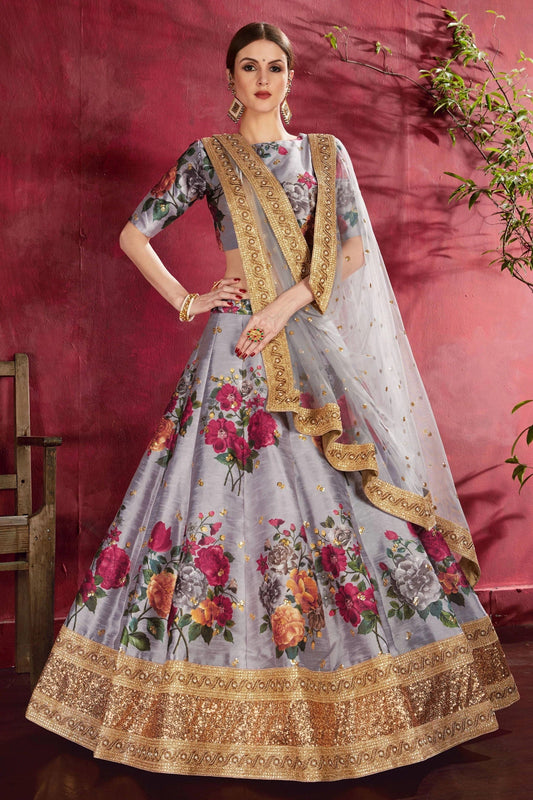
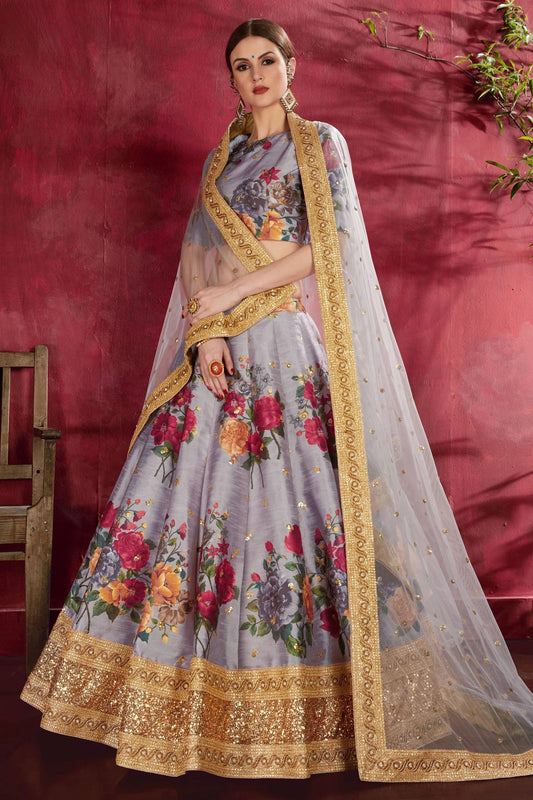
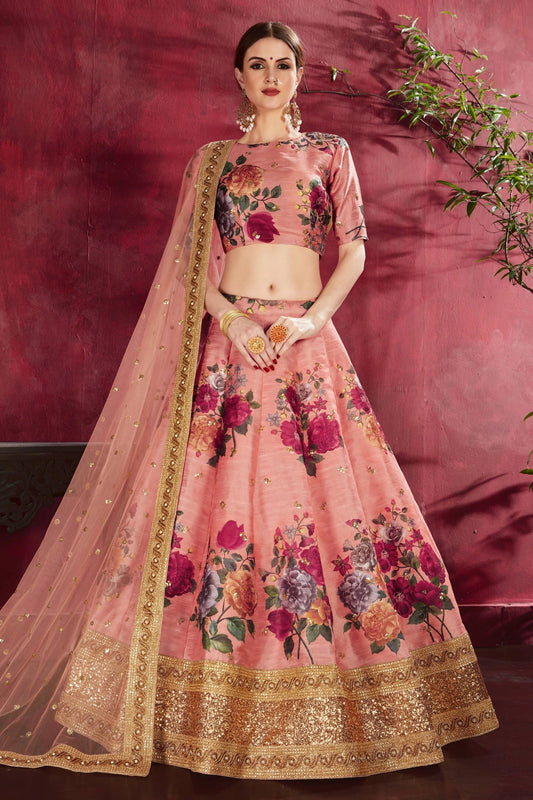
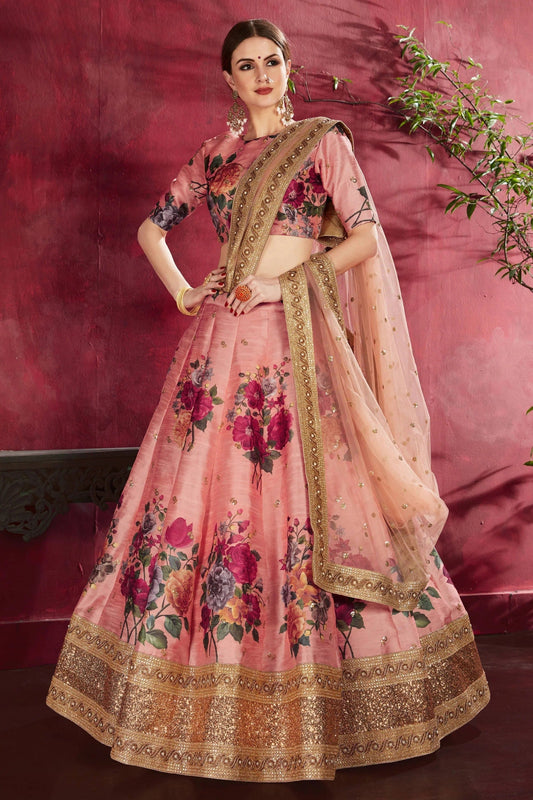
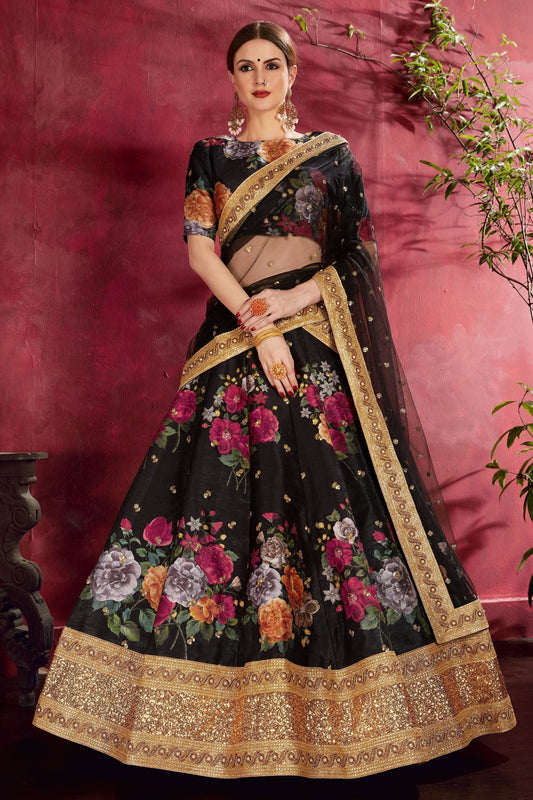
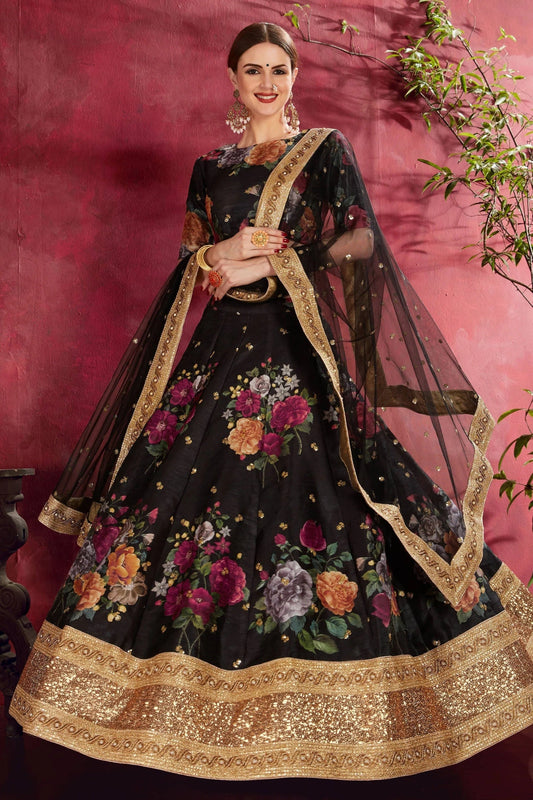
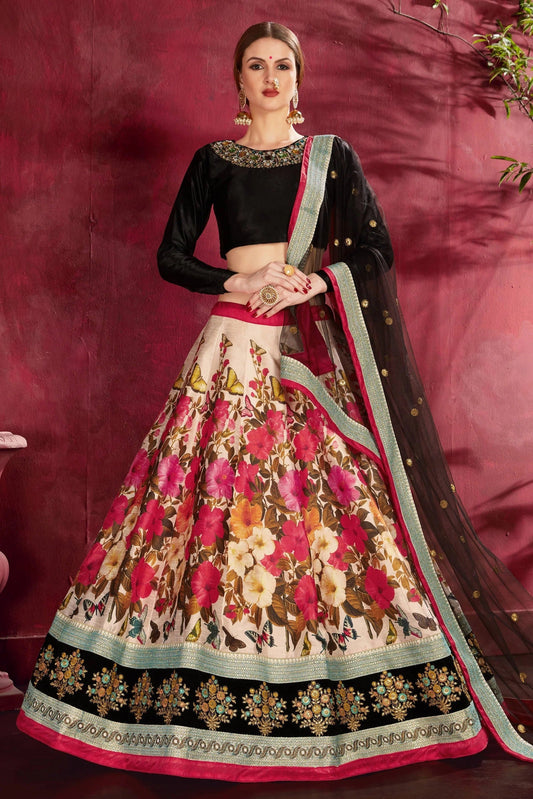
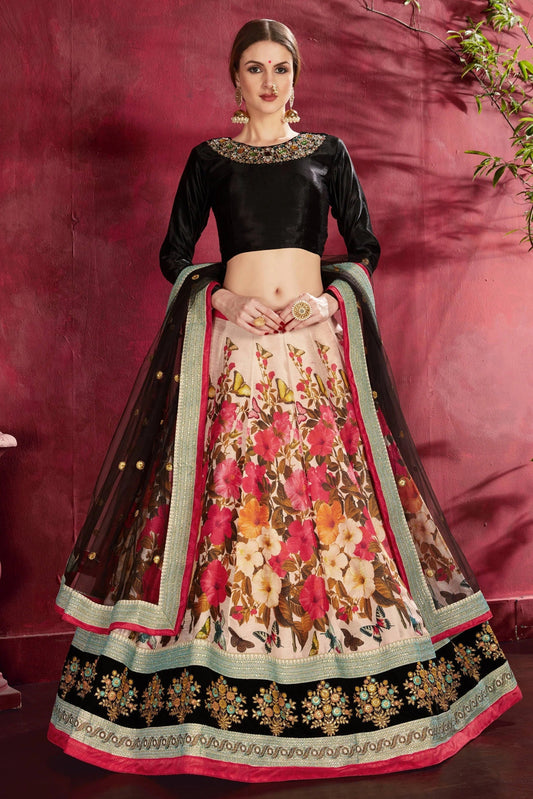
Clothing on Tritiya naturally leans toward yellow. Women often choose yellow lehenga sarees, a blend of saree elegance and lehenga comfort. It makes sense for long garba or dandiya nights. Easy to move in, festive enough to stand out. Some go subtle with light embroidery. Others prefer sequins that catch the light with every turn. Accessories do half the talking. Jhumkas that move when you nod. Bangles that chime when you clap. Neckpieces that feel slightly over the top, because Navratri allows that.
Footwear becomes a practical decision very quickly. Mojadis, kolhapuris, soft flats. Anything that lets you dance without regret the next morning.
Men usually keep it simple. Yellow dhotis or kurtas. Comfortable fabrics. Easy silhouettes. Many couples coordinate outfits on Tritiya, and it adds a quiet joy to the night. Nothing forced. Just shared color, shared rhythm.
By the third night of Navratri, something settles in the air. The diyas burn steadier. The bells sound softer. The body moves on instinct rather than effort. Maa Chandraghanta’s presence feels less like a spectacle and more like reassurance.
You don’t need to fight every battle loudly. You don’t need to prove your strength at every step. Sometimes strength sits quietly, watching, waiting, protecting without making noise. Tritiya teaches that. Chandraghanta embodies it.
And when the bell rings one more time before sleep, its echo doesn’t linger loudly. It fades gently. Just enough to remind you that you’re guarded. That calm and courage can coexist. That balance is its own kind of power.
Visit here for more Collection - Sarees | Designer Sarees | Partywear Sarees | Printed Sarees | Paithani Sarees | Suits | Anarkali Suits | Sharara Suits | Pakistani Suits | Pant Style Suits | Palazzo Pant Suits | Patiala Suits | Lehengas | Designer Lehengas | Party Lehengas | Lehenga Suits
FAQs