Navratri Day 4: chaturthi : Varad Vinayaka Chauth
Share
By the time Navratri reaches its fourth morning, the body already knows the routine. You don’t need an alarm anymore. Eyes open before the sun does. There’s that familiar smell of agarbatti lingering from the night before, mixed with the quiet sounds of someone moving in the kitchen. Day four doesn’t arrive with drama. It settles in, like it belongs.
Chaturthi is observed as Varad Vinayaka Chauth, and for many families, it’s a day that feels emotionally steady. Not rushed. Not heavy. Just right. Lord Ganesha is remembered today, not only as the remover of obstacles, but as the one who teaches patience. People don’t ask for miracles on this day. They ask for sense. For clarity. For the ability to keep going without losing balance.
Alongside this, Upang Lalitha Vrat is observed by many devotees. It’s a quiet fast. No announcements. No explaining to others why you’re doing it. Just a decision you make for yourself and stick to through the day. That restraint changes how the day flows.
And at the center of all this stands Goddess Kushmanda.
She doesn’t have the loud presence that some other forms of the Goddess carry. She doesn’t arrive with thunder. Her story begins in silence. Total darkness. No universe, no stars, no time as we understand it. And then, a smile. That single smile is believed to have created the Brahmanda, the universe itself. Not force. Not chaos. A smile.
That idea hits differently when you really sit with it.
After taking the form of Siddhidatri, Goddess Parvati chose to reside inside the Sun. Not near it. Not above it. Inside it. Right at the center. The belief is that the Sun releases energy into the universe because of her presence. She guides it, fuels it, keeps it from burning everything down. Because she has the power to live within the Sun’s intense heat and radiance, she came to be known as Kushmanda.
Her energy isn’t aggressive. It’s steady. Life-giving. The kind of power that sustains instead of destroying.
On Navratri Day 4, she is worshipped for that exact reason. For strength that doesn’t exhaust. For confidence that doesn’t need validation.
Astrologically, Goddess Kushmanda governs the Sun. And the Sun isn’t just about brightness. It’s about identity. Health. Authority. Self-belief. When those things feel shaky, people turn to her. Not for instant fixes, but for grounding. Many devotees say that praying to her brings a strange calm, like the noise inside the head drops a few levels.
Her form reflects balance. Goddess Kushmanda is also known as Ashtabhuja Devi because she has eight hands. She rides a lioness, not in attack mode, but in control. There’s a quiet assurance in her posture.
In her right hands, she holds a Dhanush, a Lotus flower, a Kamandal, and a Bada. In her left hands, she carries an Amrit Kalash, a Chakra, a Jap Mala, and a Gada. Each object carries meaning, but nothing feels excessive. The Jap Mala stands out. It’s believed to hold the power to grant Siddhis and Nidhis. Not shortcuts. Not luck. Achievements that come when effort meets discipline.
Her name in Devanagari, कूष्माण्डा, connects directly to both Kushmanda and Brahmanda. Nourishment and creation tied into one word. Simple. Complete.
The stuti dedicated to her is often chanted early in the morning, when the house is still half asleep:
या देवी सर्वभूतेषु माँ कूष्माण्डा रूपेण संस्थिता। नमस्तस्यै नमस्तस्यै नमस्तस्यै नमो नमः।।
Some chant it once. Some chant it many times. Some just listen while someone else chants. There’s no pressure to do it perfectly. The effect comes from presence, not performance.
Malpua is offered to Goddess Kushmanda on this day. Sweet, soft, and comforting. In many homes, malpua isn’t bought. It’s made. Someone stands by the stove, carefully flipping each piece, making sure it doesn’t burn. The kitchen becomes part of the puja. White pumpkin, known as Kushmanda, is also significant. The goddess is believed to like its bali. The connection between her name, the vegetable, and the universe feels symbolic in a way that doesn’t need explanation.
Around this time comes Lalita Panchami, also known as Upang Lalitha Vrat, observed on the fifth day of Sharad Navratri. Goddess Lalita, also called Tripura Sundari or Shodashi, is worshipped on this day. She is one of the ten Mahavidyas. In Gujarat and parts of Maharashtra, devotees fast and chant Lalita Sahasranama with deep focus. The energy shifts again. Softer. More inward.
As the day moves toward evening, seriousness slowly gives way to celebration. Dandiya Raas begins. Circles form. Sticks clash. Feet move faster than planned. Someone misses a step, laughs, and keeps going. That’s the beauty of it. Dandiya isn’t about perfection. It’s about rhythm, coordination, and joy shared with others.
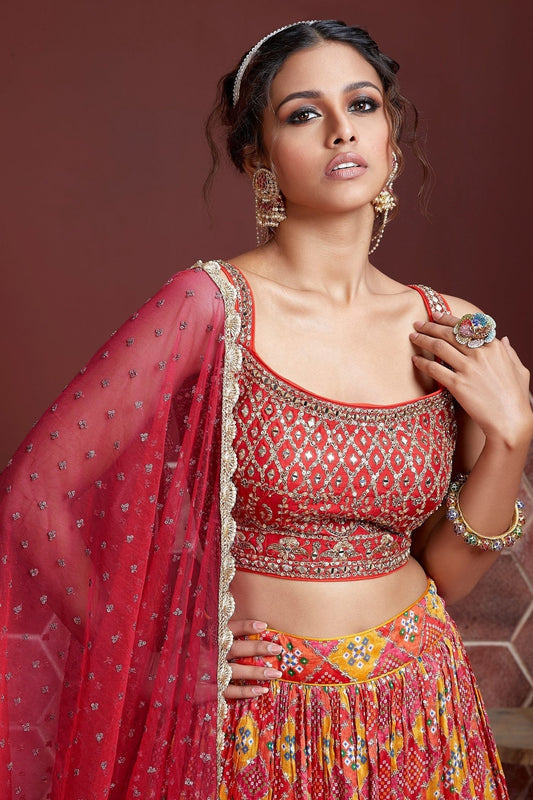
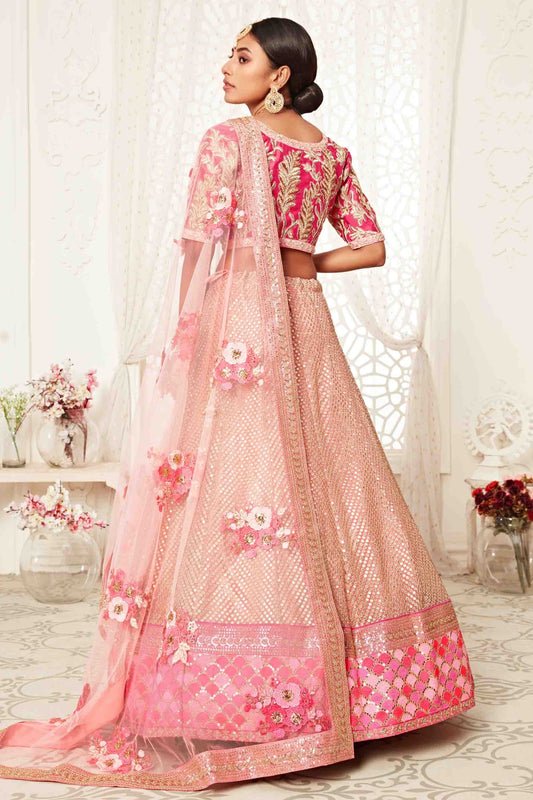
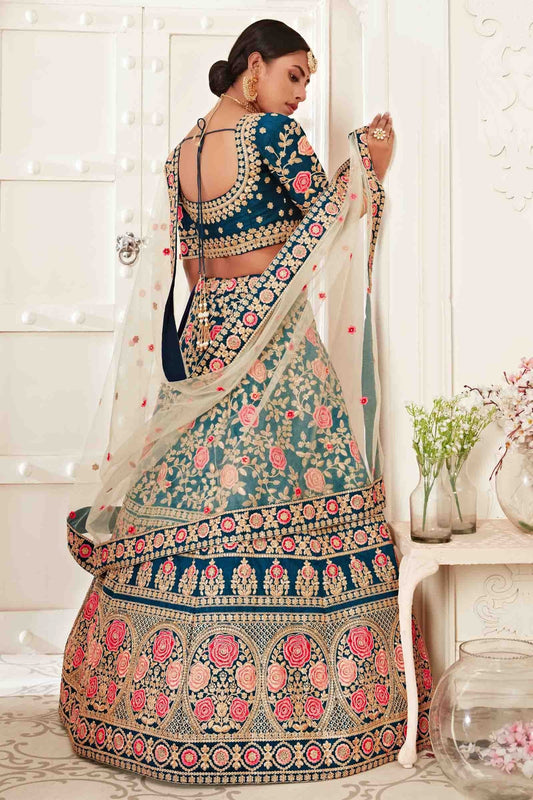
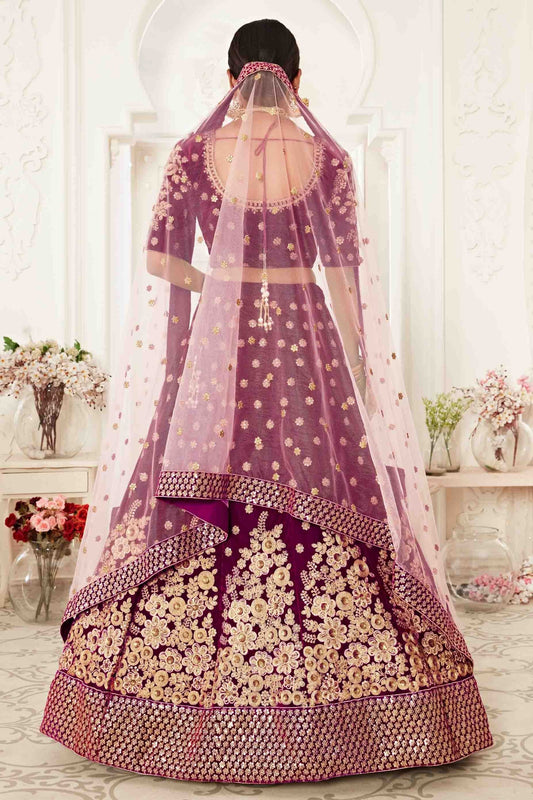
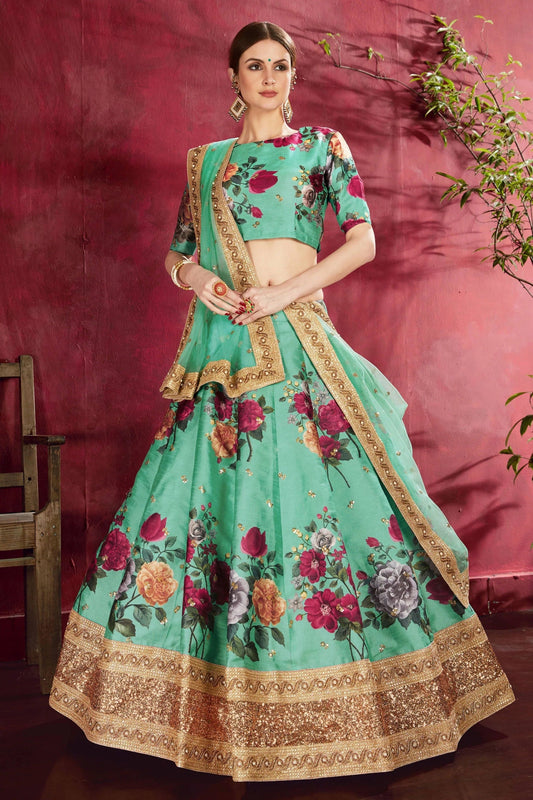
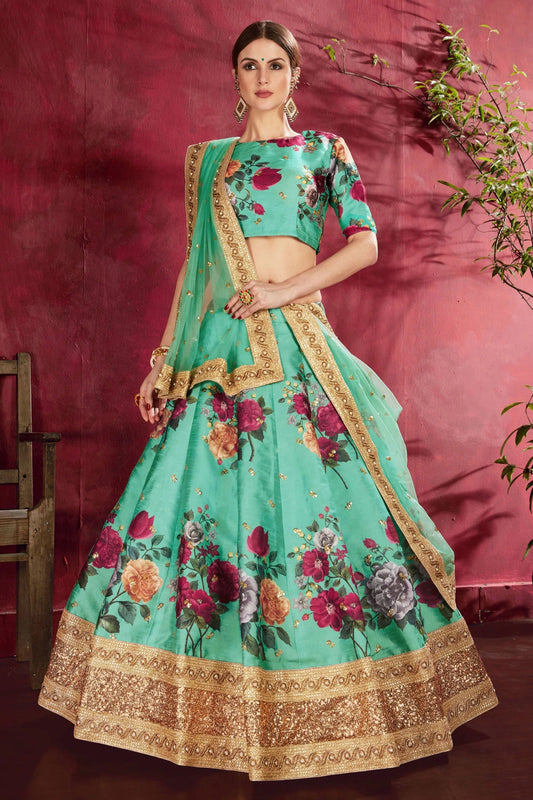
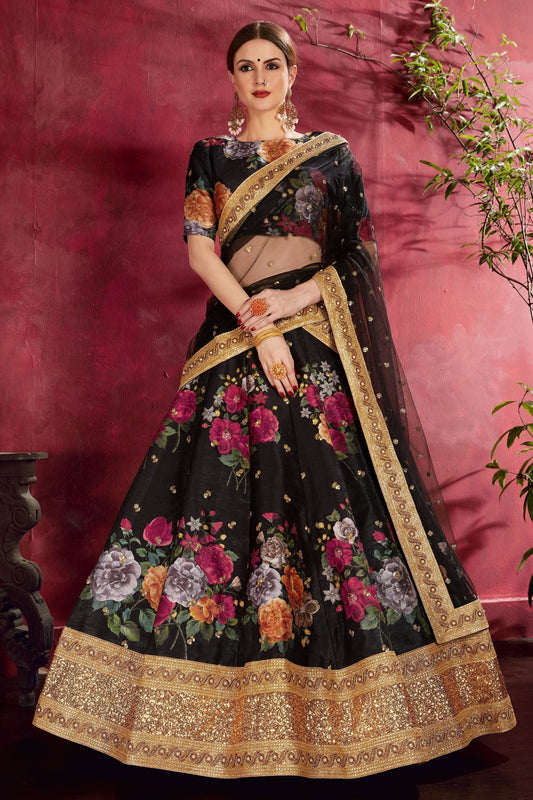
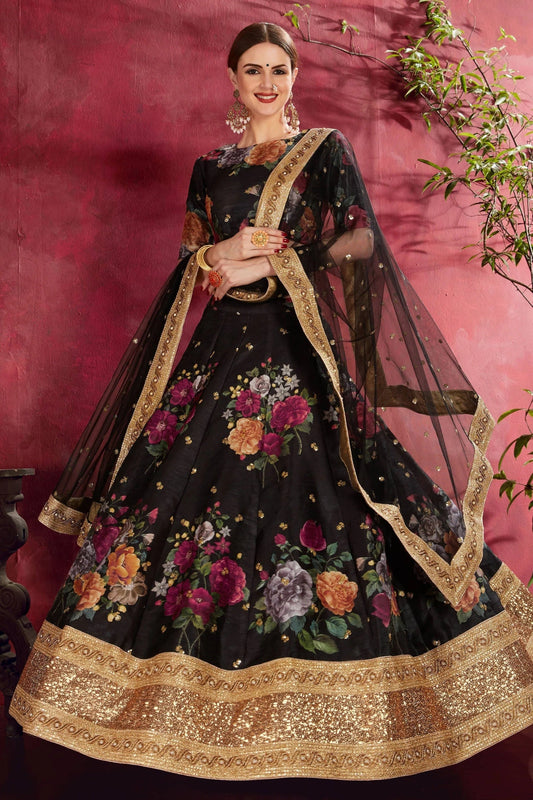
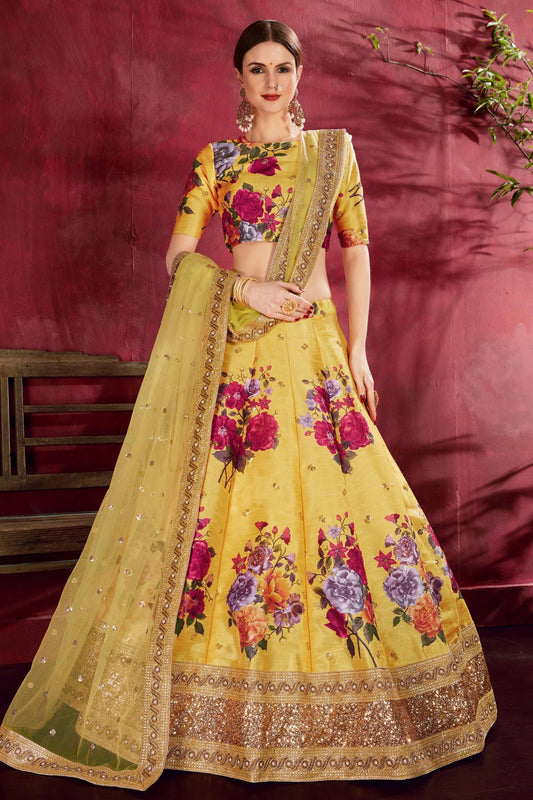
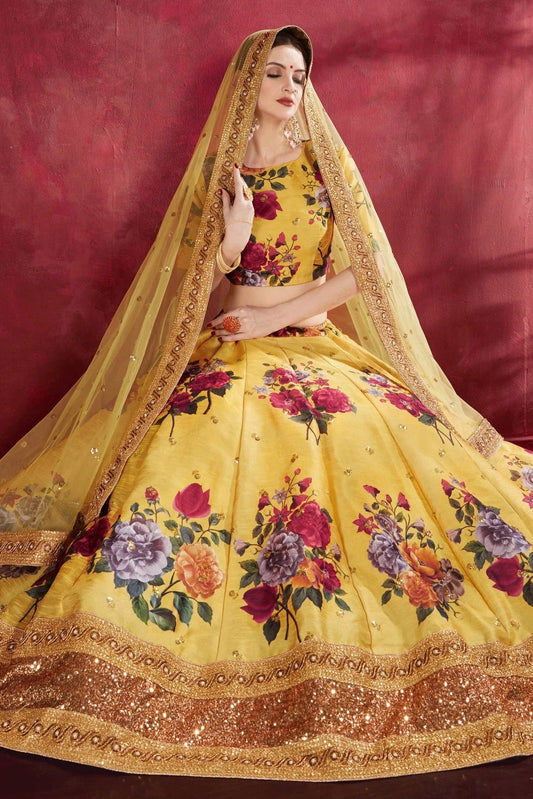
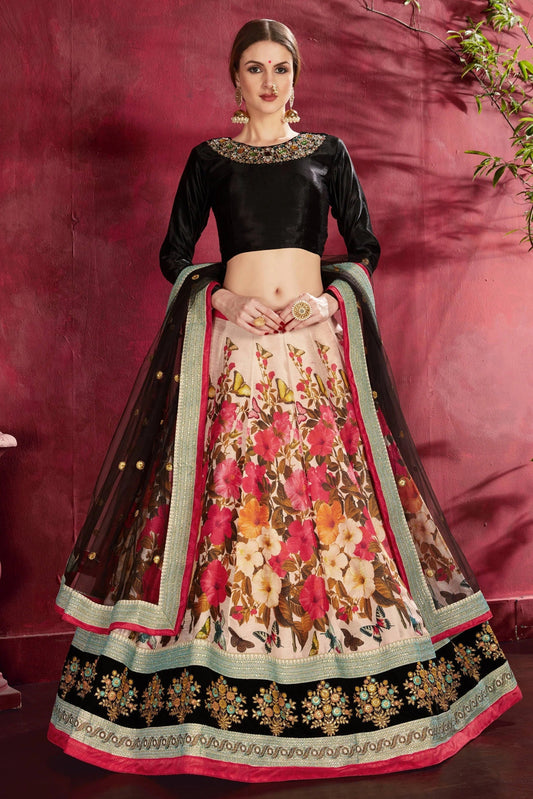
People dress up. Colours everywhere. The fourth day’s colour is green. It represents growth, harmony, and freshness. Many women wear a green lancha dress, similar to a lehenga. A long skirt paired with a long choli or a side-cut kurti gives a traditional yet graceful look. Accessories are chosen carefully. Bangles that make sound when you move. Studded earrings that catch the light. Mojadis if you plan to dance all night. Heels if you don’t.
Men often wear red kurtas, especially when matching with their partners. The contrast looks festive without trying too hard.
By the time the night ends, there’s a quiet satisfaction that stays behind. Navratri Day 4 doesn’t overwhelm you. It steadies you. Goddess Kushmanda reminds us that the strongest forces in the universe don’t always roar. Sometimes, they simply glow.
Visit here for more Collection - Sarees | Designer Sarees | Partywear Sarees | Printed Sarees | Paithani Sarees | Suits | Anarkali Suits | Sharara Suits | Pakistani Suits | Pant Style Suits | Palazzo Pant Suits | Patiala Suits | Lehengas | Designer Lehengas | Party Lehengas | Lehenga Suits
FAQs