Navratri Day 9: Navami : Ayudha Puja Durga Visarjan, Maha Navami
Share
Navratri doesn’t quietly end. It arrives at its final day with a kind of emotional weight that’s hard to explain unless you’ve lived it. Day 9, Navami, feels like a pause before everything dissolves back into normal life. The music is still playing, diyas are still lit, but there’s a soft awareness that this is the last time for a while. The last aarti. The last garba circle. The last moment of asking without hesitation.
Tithi: Navami Ritual: Navratri Parana Goddess worshipped: Siddhidaatri Offerings to goddess: Grains Colour: Sky Blue
Navami is about completion. About wholeness. About standing at the end of a spiritual journey and realizing something inside you has shifted, even if you can’t put a clean sentence around it.
The origin and deeper meaning of Goddess Siddhidaatri
Goddess Siddhidaatri is the ninth and final form of Goddess Durga, and she’s not about battle or destruction. She’s about fulfillment. The word “Siddhi” means perfection or spiritual power. “Daatri” means the giver. Put together, she is the giver of siddhis, the eight divine attainments that even the gods seek.
There’s a powerful belief attached to her form. She is the ultimate expression of Goddess Parvati, worshipped not just by humans but by all gods. According to tradition, even Lord Shiva worshipped her to attain completeness. When she merged with him, he became Ardhanarishwara, half Shiva, half Shakti. Not dominance. Not hierarchy. Balance.
That symbolism hits differently today. Strength doesn’t cancel softness. Power doesn’t need noise. Completion doesn’t mean perfection in the Instagram sense. It means alignment.
Navratri worship on the ninth day
On Navami, the focus shifts from asking to acknowledging. Devotees worship Goddess Siddhidaatri with grains, symbols of nourishment and continuity. Grains are humble. They don’t sparkle like gold or smell like flowers, but they sustain life. Offering them feels grounded, like saying, “Thank you for what keeps me going every single day.”
Many households perform Navratri Parana today, marking the formal conclusion of fasting. It’s not rushed. Food is prepared with intention. Even the first bite feels ceremonial.
In several regions, Ayudha Puja is observed on Navami. Tools, books, machines, musical instruments, even laptops are cleaned and worshipped. It’s a reminder that divinity doesn’t live only in temples. It lives in what helps you earn, learn, and create.
Iconography that speaks without words
Goddess Siddhidaatri is shown seated on a lotus, riding a lion. The lotus rises untouched from muddy waters. The lion represents courage and command. In her four hands, she holds a chakra and a gada in her right hands, and a lotus flower and conch shell in her left.
Each object has weight. The chakra cuts through ignorance. The gada stands for strength with responsibility. The lotus reminds you to stay rooted yet unattached. The conch carries the sound of creation.
She doesn’t look aggressive. She looks assured. Calm. Complete.
Governing planet and spiritual influence
Siddhidaatri governs all siddhis. She isn’t tied to one narrow domain. Her energy is believed to unlock potential, not hand out miracles. Devotees often say prayers today not for sudden success, but for clarity. Direction. Inner steadiness.
That’s the kind of blessing that lasts.
The stuti and its quiet power
The stuti dedicated to Goddess Siddhidaatri goes:
“Siddh Gandharv Yagyadhair Surair Marairapi, Sevyamana Sada Bhooyaat Siddhida Siddhi Dayanee”
It speaks of how sages, celestial beings, and gods worship her constantly. Reciting it on Navami feels like stepping into an ancient rhythm, one that has been repeated for centuries by people hoping, struggling, learning, and growing, just like us.
Navami Homa and its significance
Navami Homa, also known as Chandi Homa, holds a special place on this day. The fire ritual is performed to please Goddess Durga and seek her blessings for health, protection, and the strength to overcome obstacles.
Fire transforms. Whatever enters it doesn’t return the same. That’s the idea behind the homa. It’s not about destroying problems. It’s about transforming your relationship with them.
Many devotees say this is the moment they mentally let go of what weighed them down during the year. Regret. Fear. Exhaustion. All offered into the fire, quietly.
Traditional dance and the joy of Maniyaro Raas
Even on the final day, celebration doesn’t fade. Maniyaro Raas is performed with dandiya sticks made of wood, moving to the beat of drums, sarnai, harmonium, and folk songs. The steps involve jumping, spinning, and synchronized movements that demand both energy and coordination.
The Maher community traditionally performs this raas, and watching it feels like witnessing collective joy. Everyone moving together. No spotlight. No solo hero. Just rhythm and unity.
By Navami night, dancers aren’t trying to look perfect. They’re dancing because they don’t want it to end.
What to wear on Navami
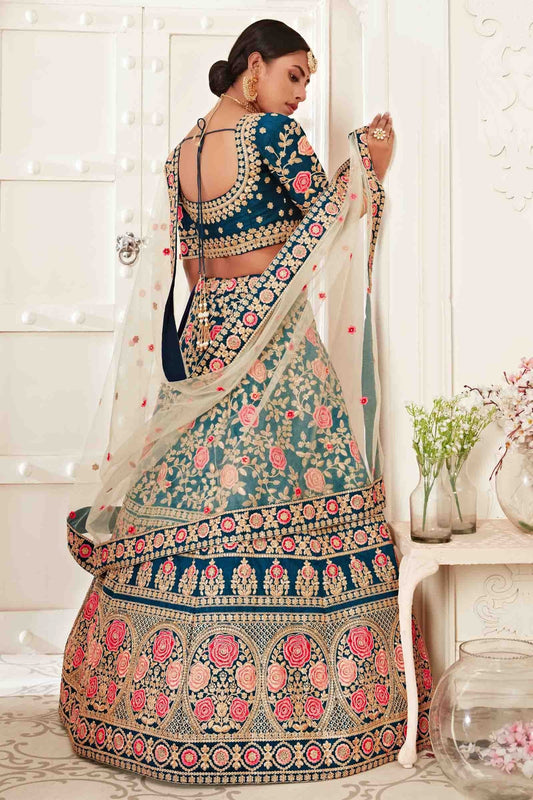
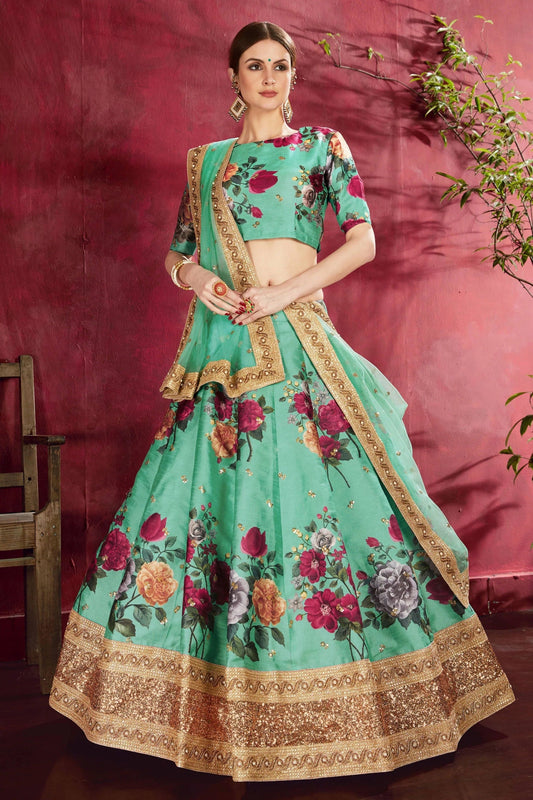
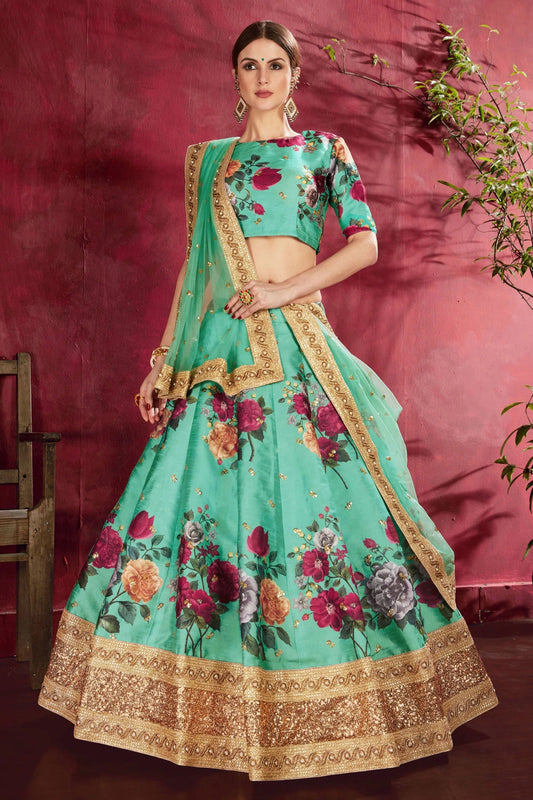
Sky blue is the colour of the day, and it fits beautifully. It feels open, calm, and expansive, like the sky itself.
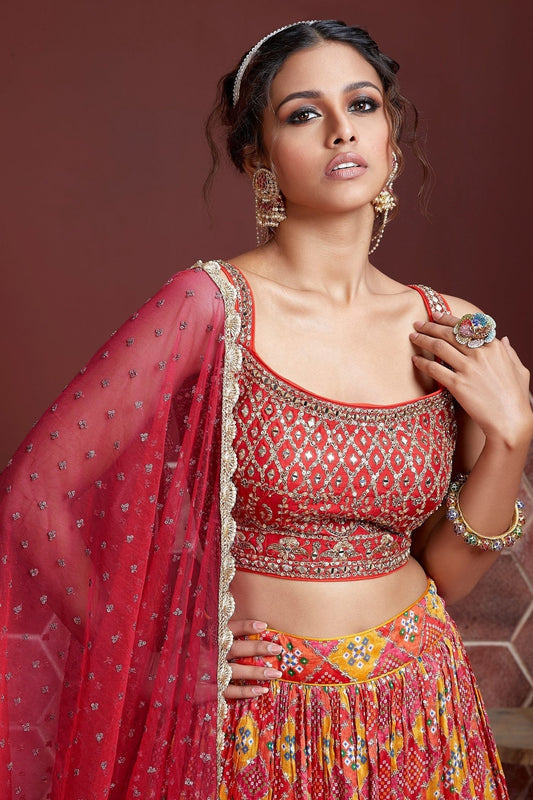
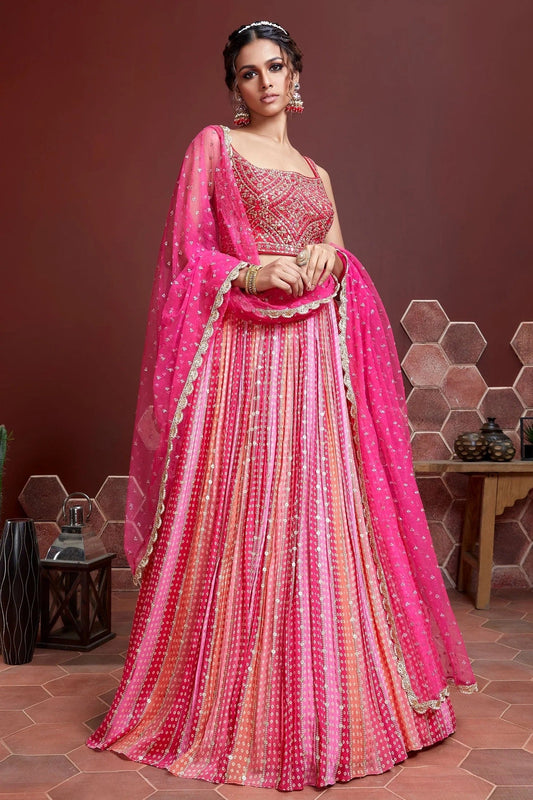
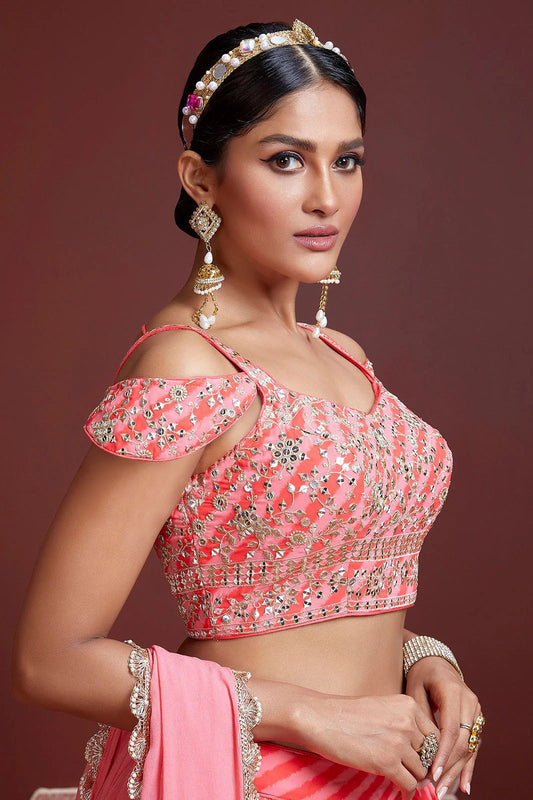
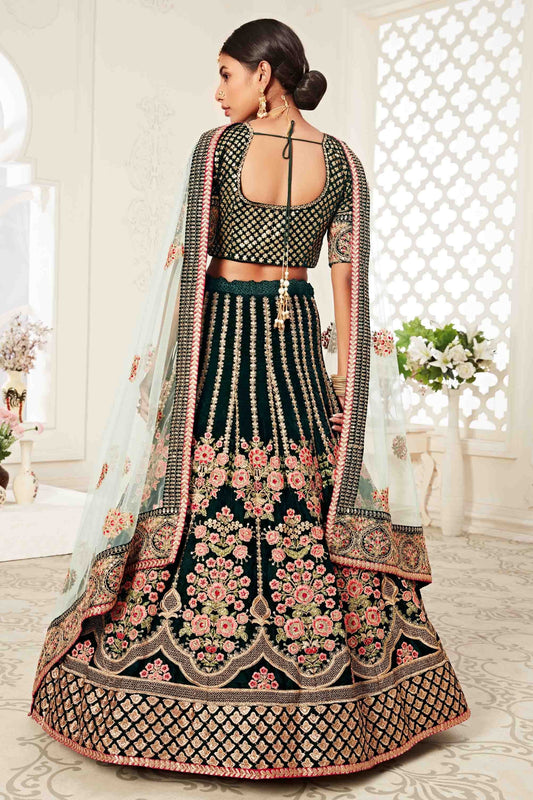
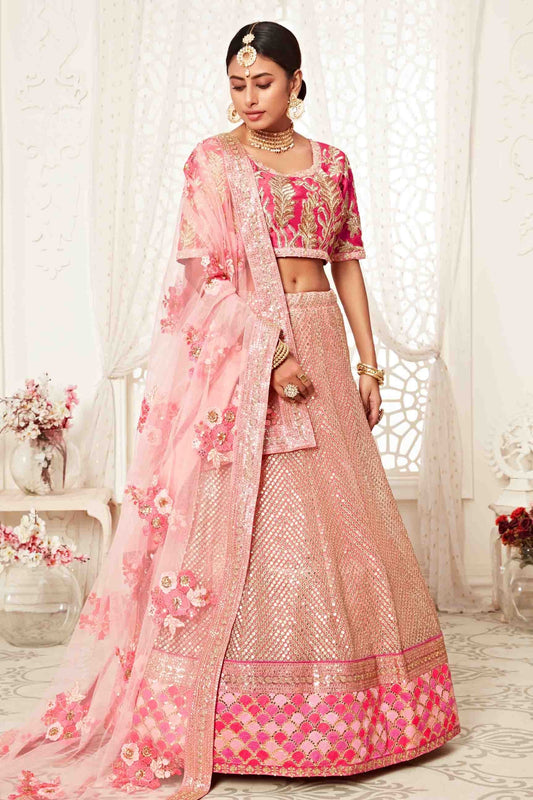
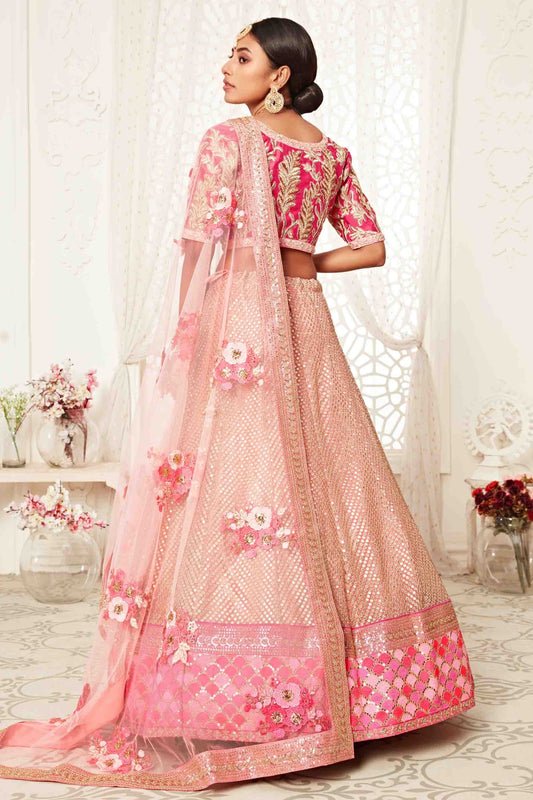
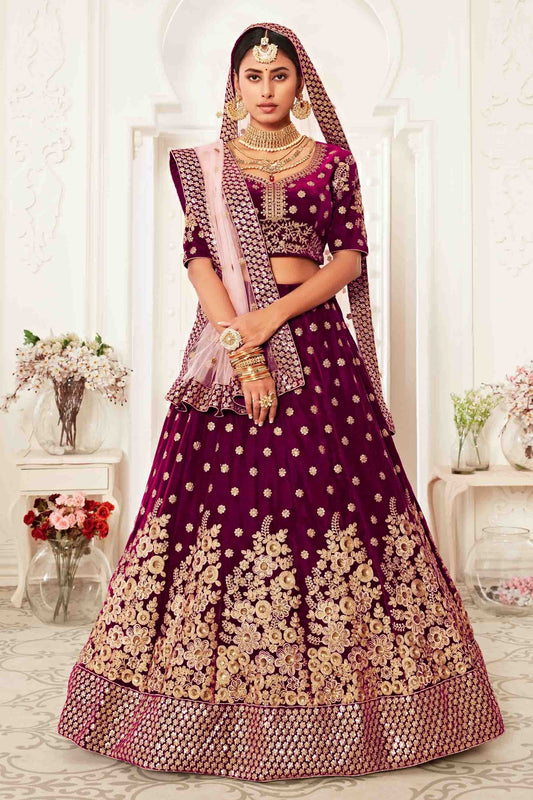
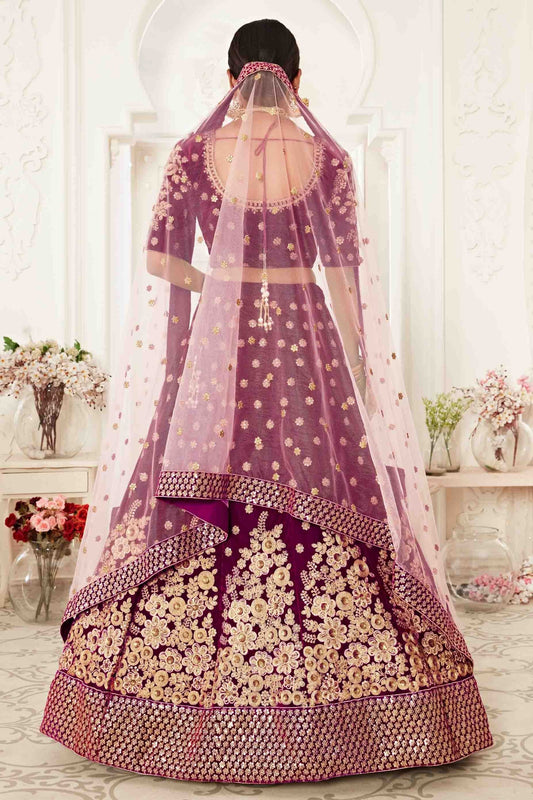
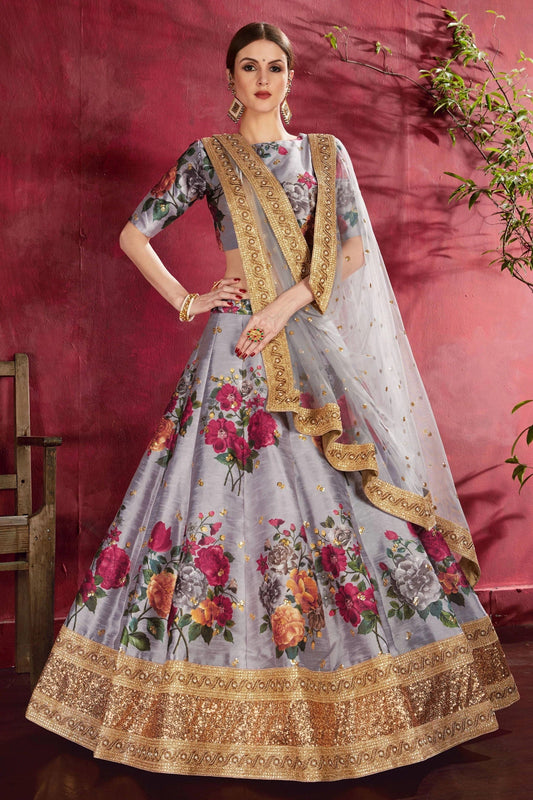
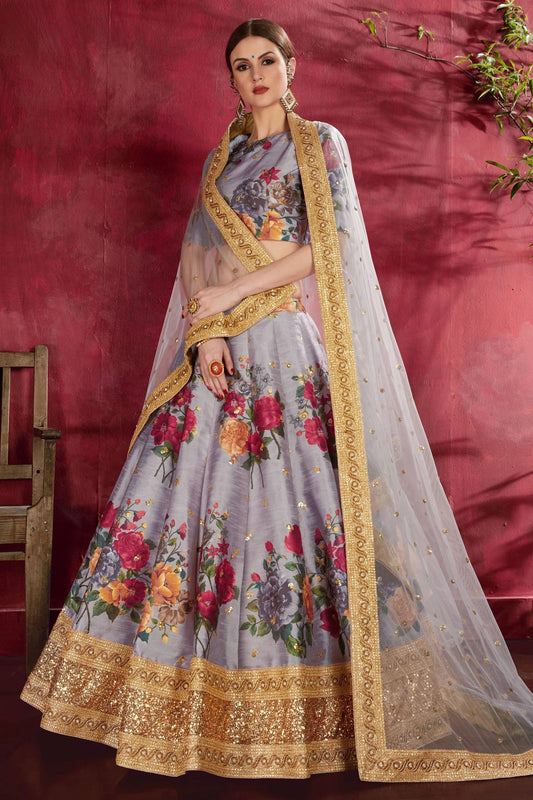
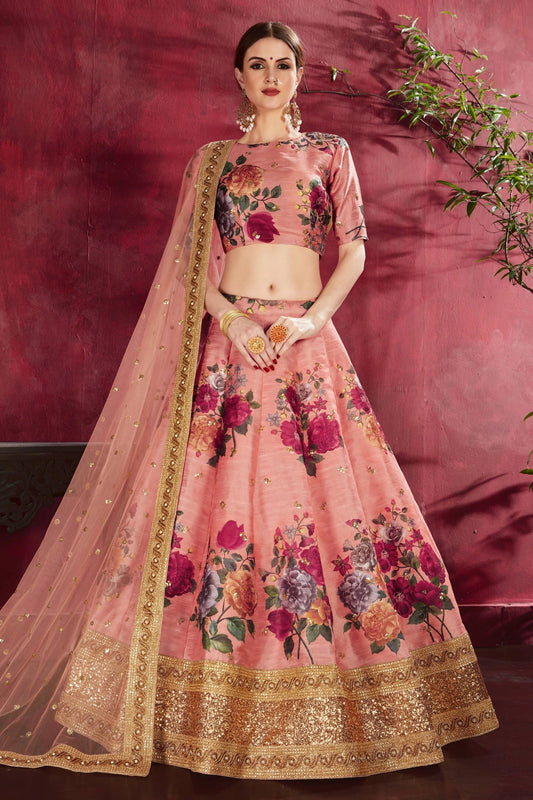
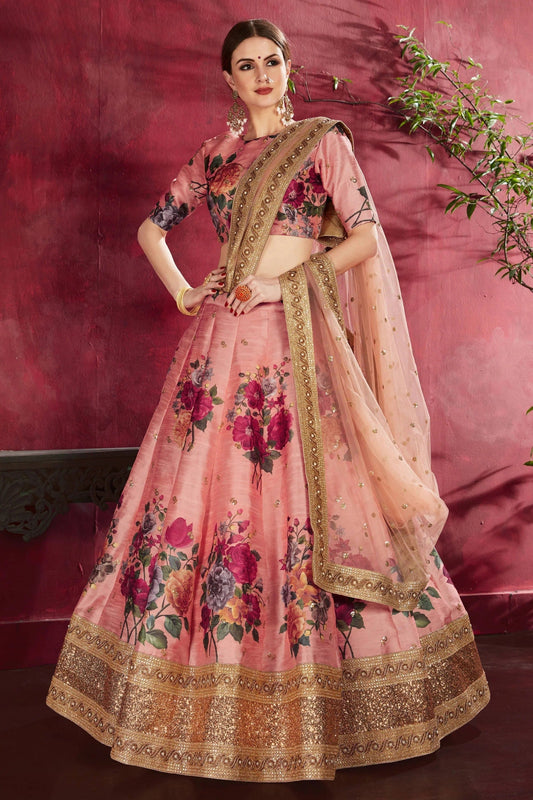
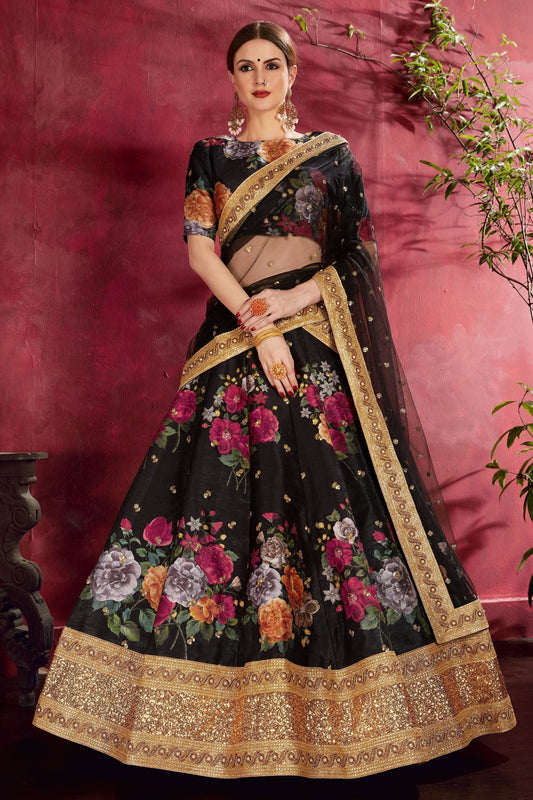
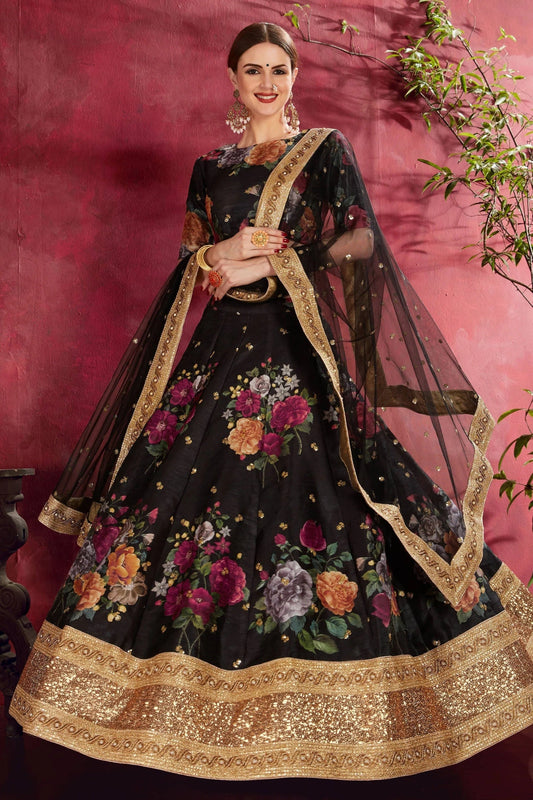
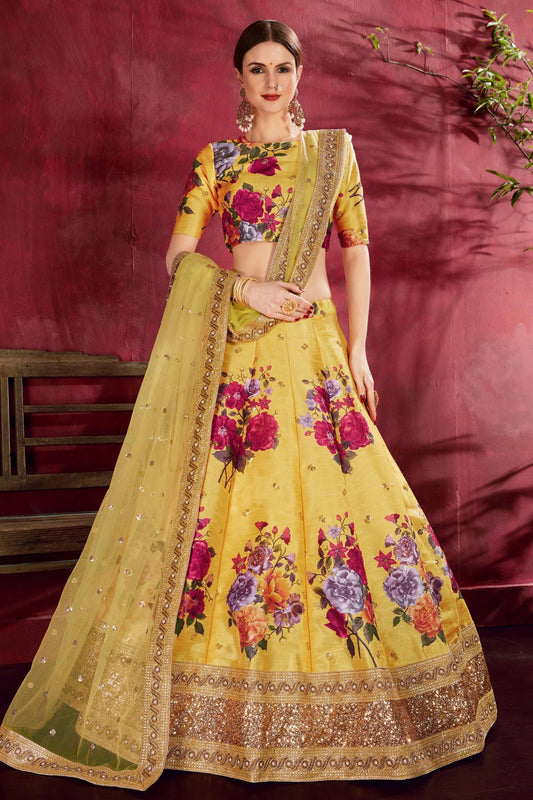
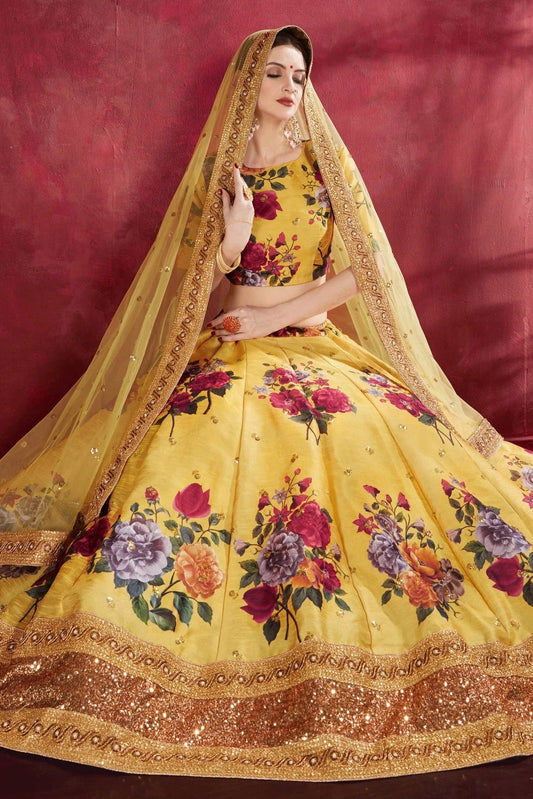
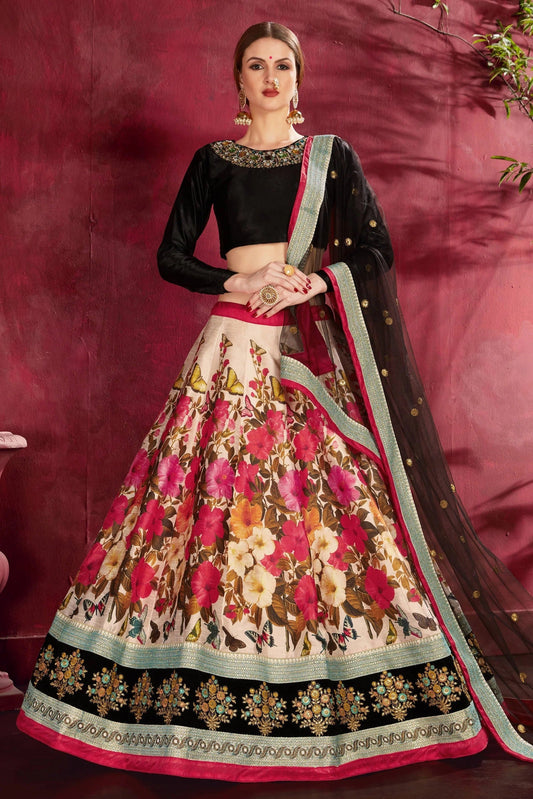
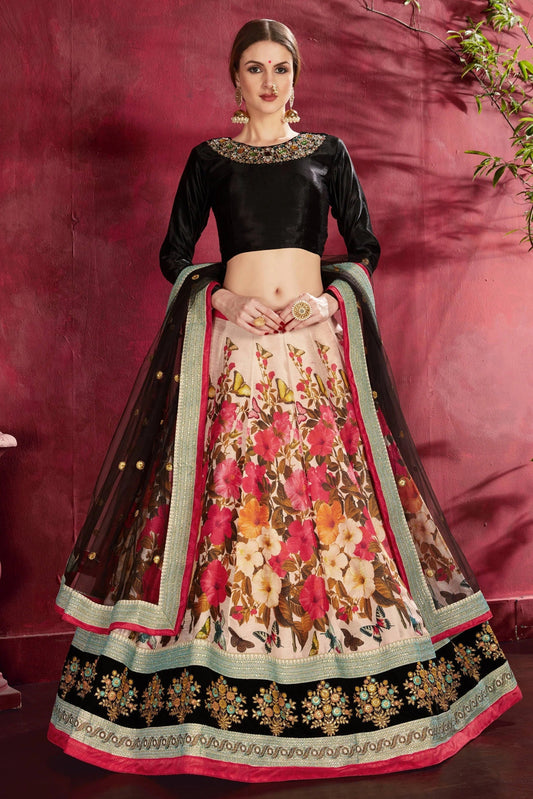
Women often choose a sky blue lehenga with a crop top, paired with a contrasting dupatta. Some prefer a traditional saree for Durga Puja, accessorized with bangles, a neckpiece, a waist belt, and payal. Comfort matters. Flats or heels, whatever lets you stay on your feet longer.
Men usually go for a sky blue kurta with a contrasting pyjama. Simple. Elegant. Sober. It’s not about standing out. It’s about feeling in tune with the day.
Durga Visarjan and the quiet goodbye
Navami carries the emotion of farewell. In many places, Durga Visarjan preparations begin today. The realization sinks in that the goddess, who felt so present for nine days, is about to return to her celestial abode.
There’s sadness, yes. But also gratitude. The belief is not that she’s leaving forever, but that she’s leaving something behind. Strength. Faith. A little more courage than before.
Navratri ends, but its echo lingers. In how you handle stress. In how you speak to yourself. In how you show up when life asks difficult questions.
Navami isn’t just the ninth day. It’s the moment you carry the goddess within you, quietly, into the rest of the year.
Visit here for more Collection - Sarees | Designer Sarees | Partywear Sarees | Printed Sarees | Paithani Sarees | Suits | Anarkali Suits | Sharara Suits | Pakistani Suits | Pant Style Suits | Palazzo Pant Suits | Patiala Suits | Lehengas | Designer Lehengas | Party Lehengas | Lehenga Suits
FAQs