The First Gifts After Marriage: What a Bride Remembers Long After the Wedding
Share
Weddings are loud. Marriage is quiet.
Once the mandap is dismantled and relatives head back home, a bride finds herself in a new space with new people and a new rhythm of life. The laughter slows down. The real days begin. This is when gifts start to matter in a very different way.
In Indian households, gifting a bride after marriage has never been just about tradition. It’s emotional insurance. It’s reassurance wrapped in fabric, jewellery, and small thoughtful gestures. Years later, most brides don’t remember how many rituals happened on which day, but they clearly remember who gifted them what, and how it made them feel.
That’s why post-marriage gifting deserves more attention than it gets.
The Groom’s First Gift Isn’t a Trend, It’s a Memory in the Making
The idea of pehla tohfa gets romanticised a lot. Movies make it dramatic. Real life keeps it simple, and honestly, that’s better.
The best first gift doesn’t try too hard. It just feels right.
A saree chosen because she mentioned once that she prefers light fabrics.
A suit in her favorite color that she never explicitly asked for.
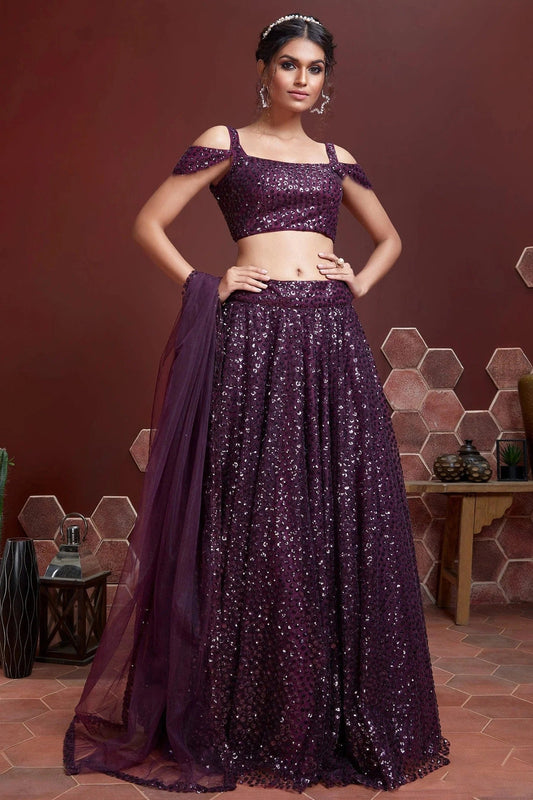
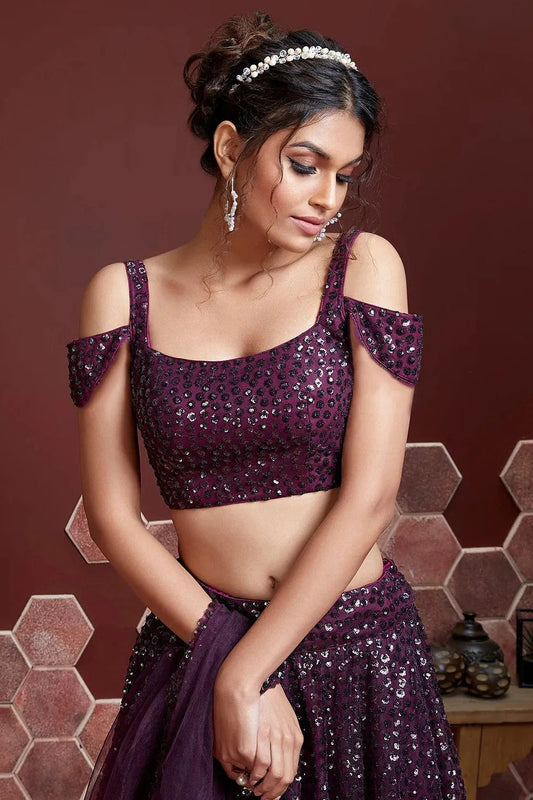
A gown she can wear months later when life feels settled again.
Clothing works beautifully because it enters her daily world. It’s not locked away in a drawer. It gets worn, folded, sometimes re-ironed in a hurry before visiting relatives. That’s how gifts become part of life, not just objects.
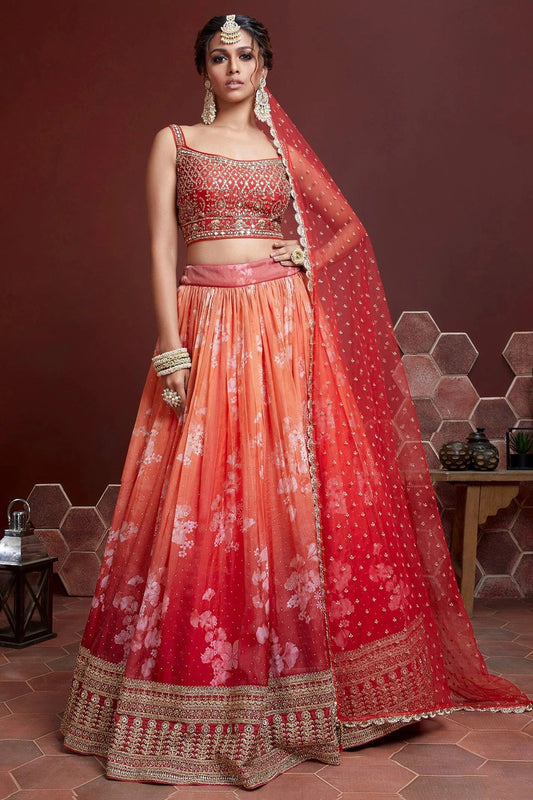
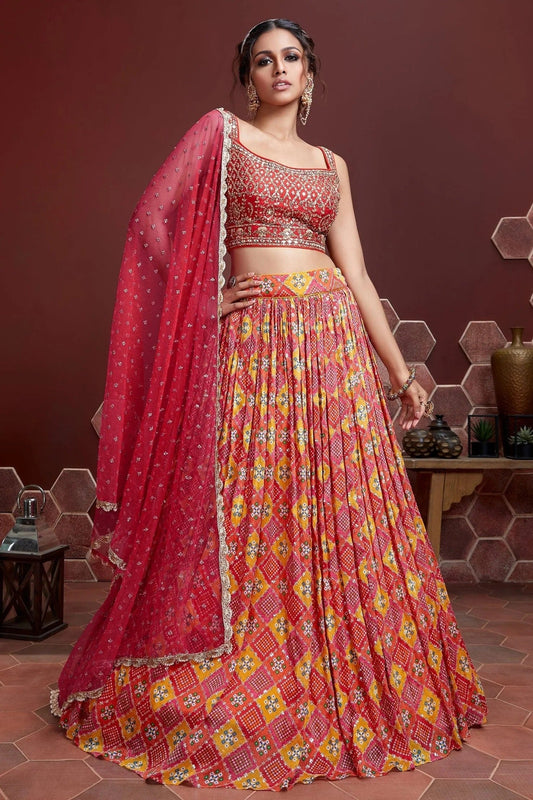
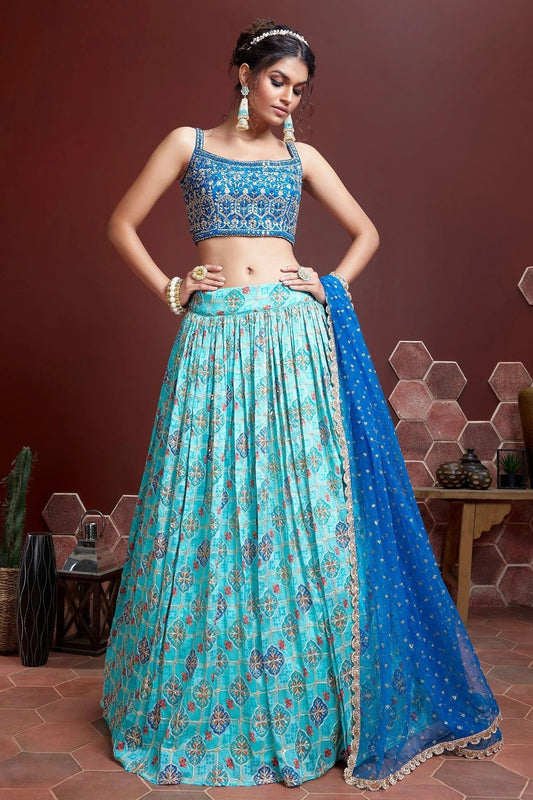
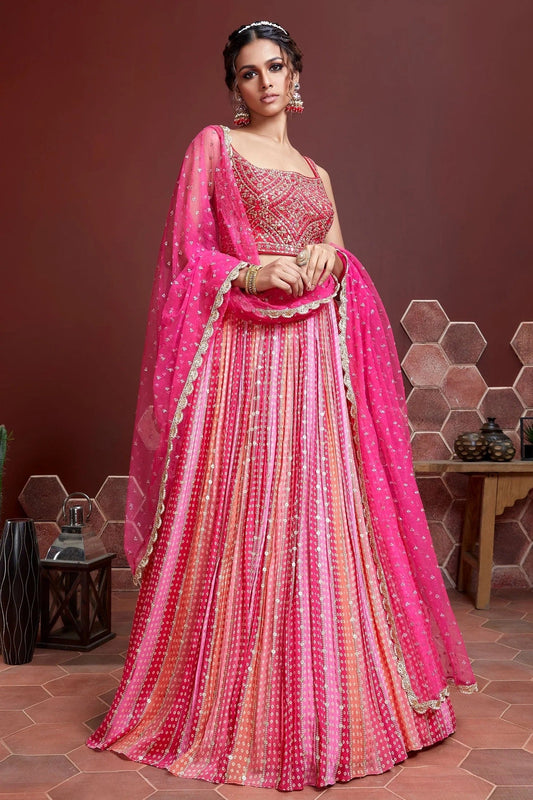
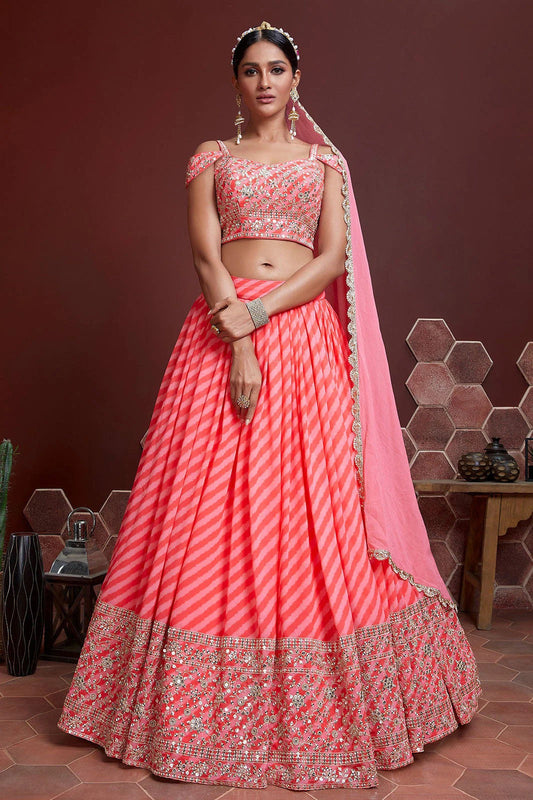
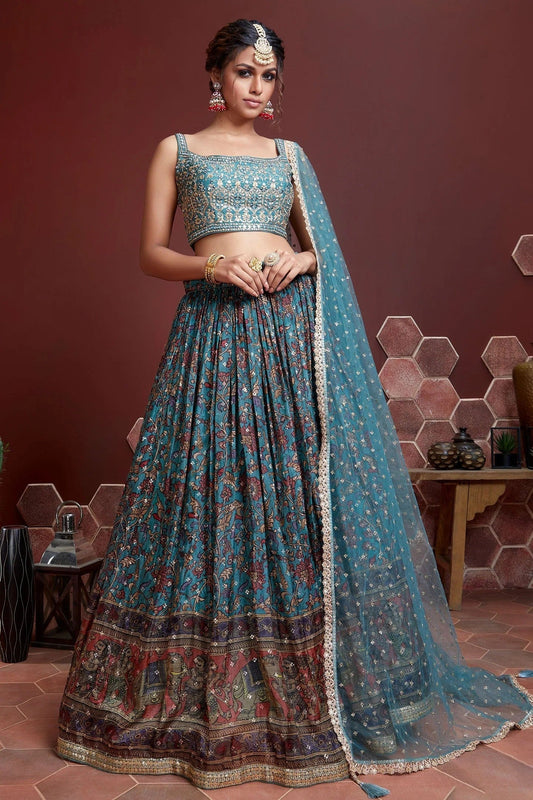
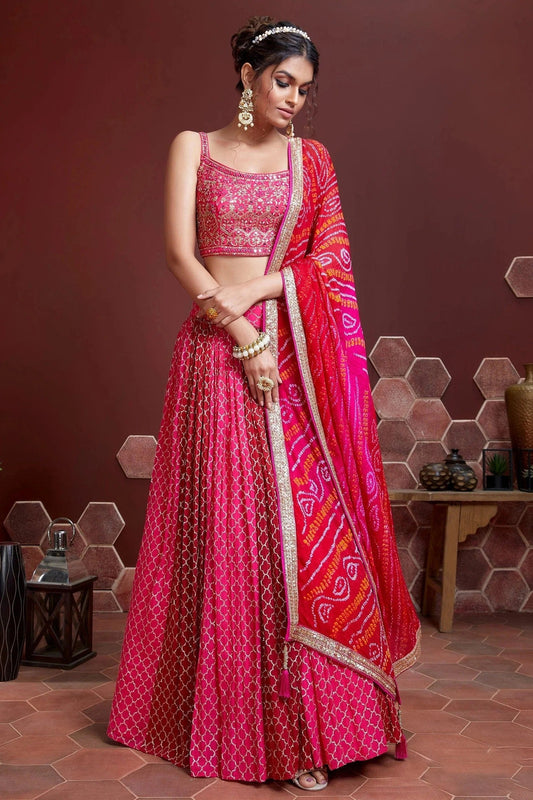
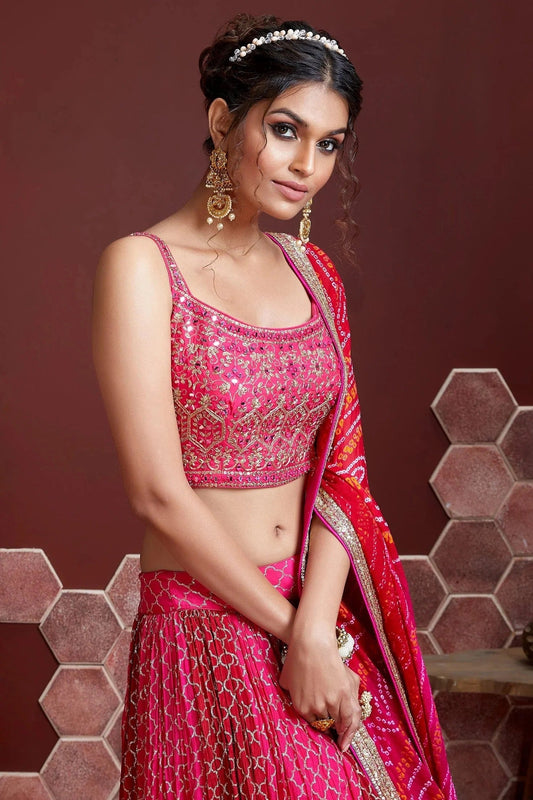
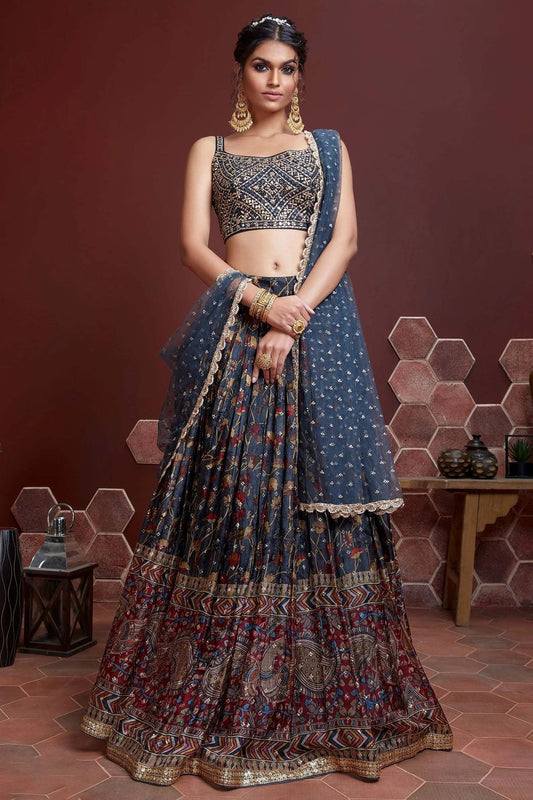
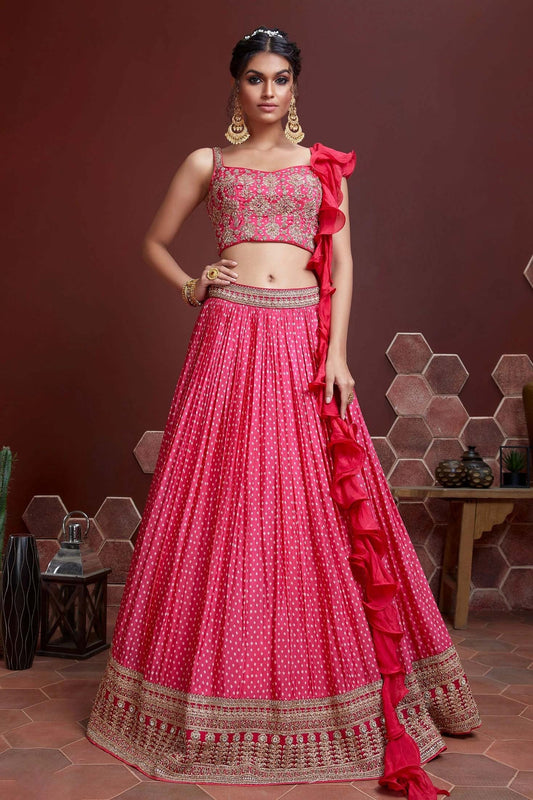
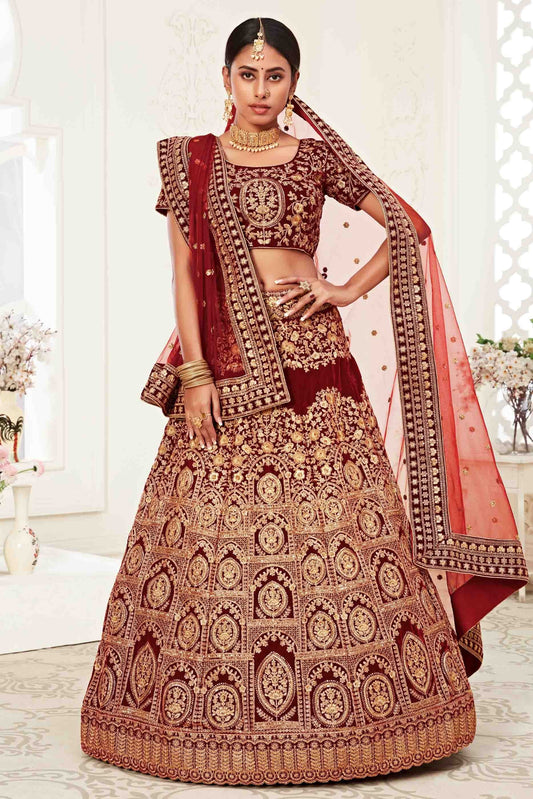
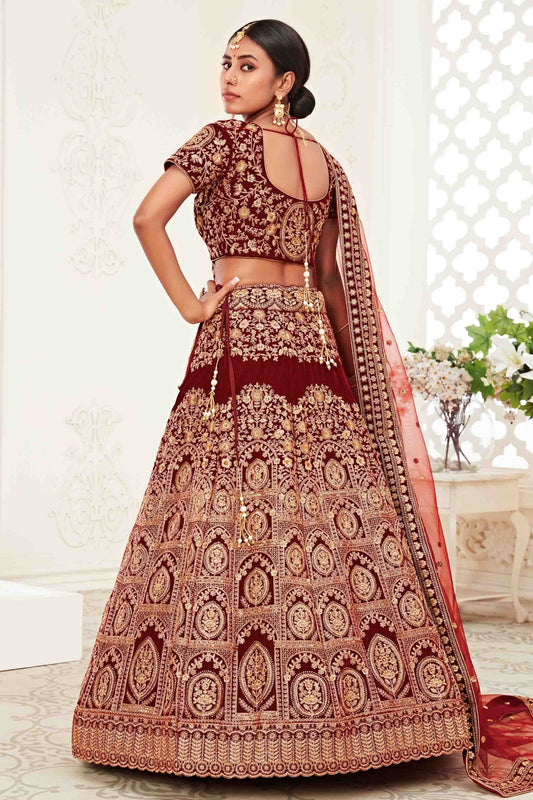
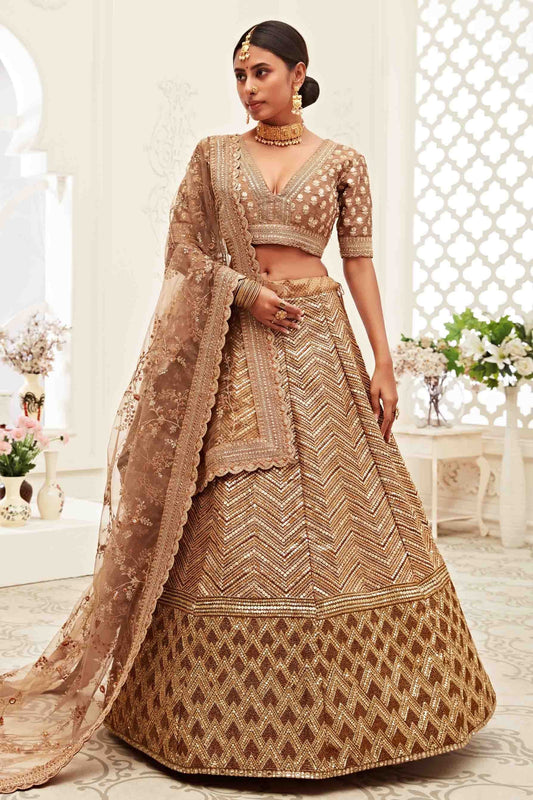
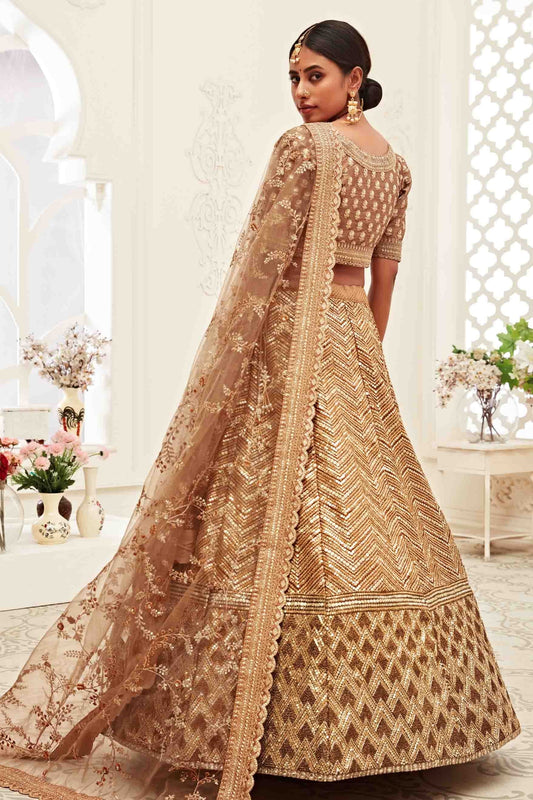
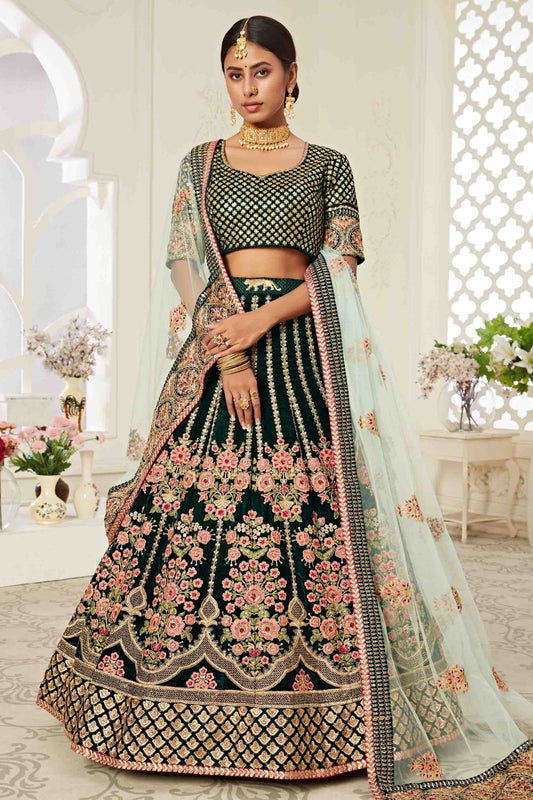
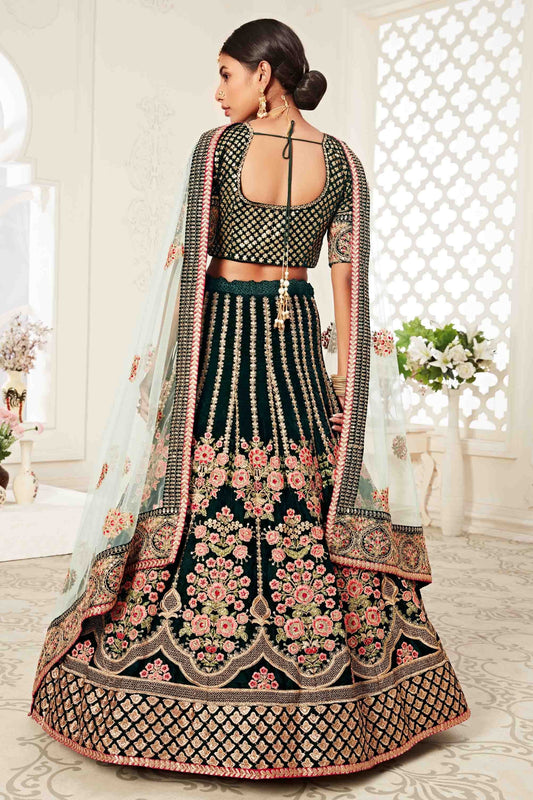
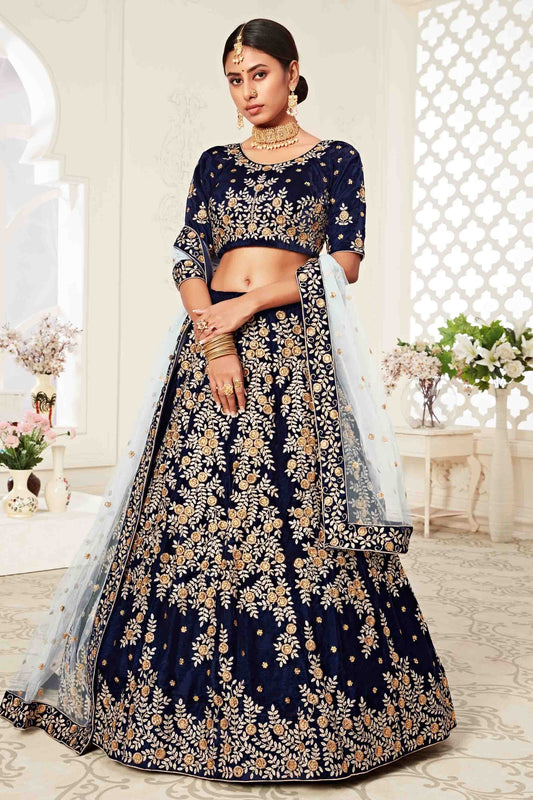
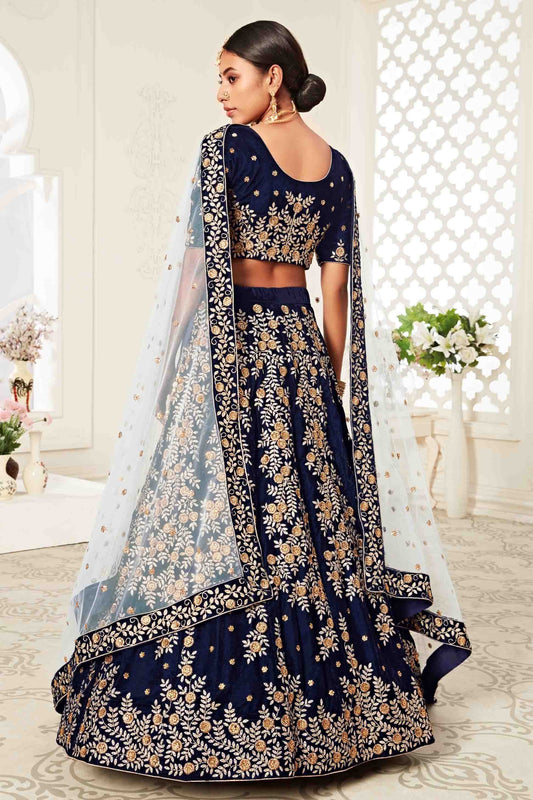
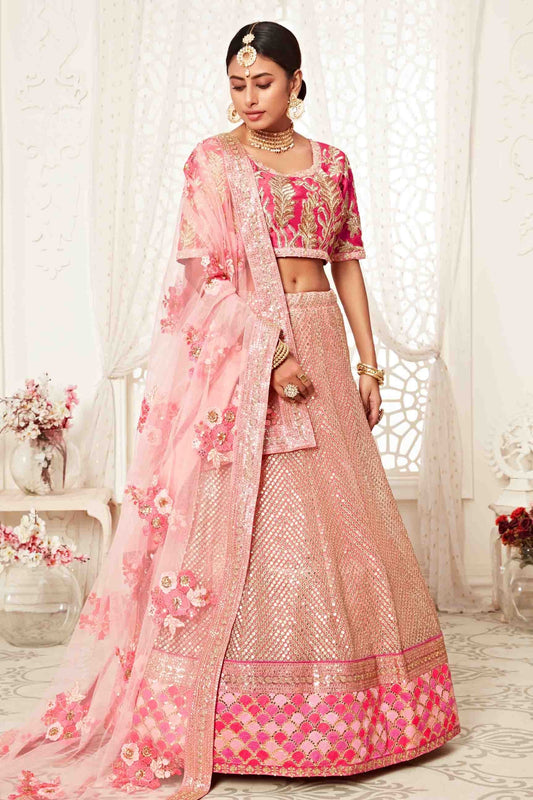
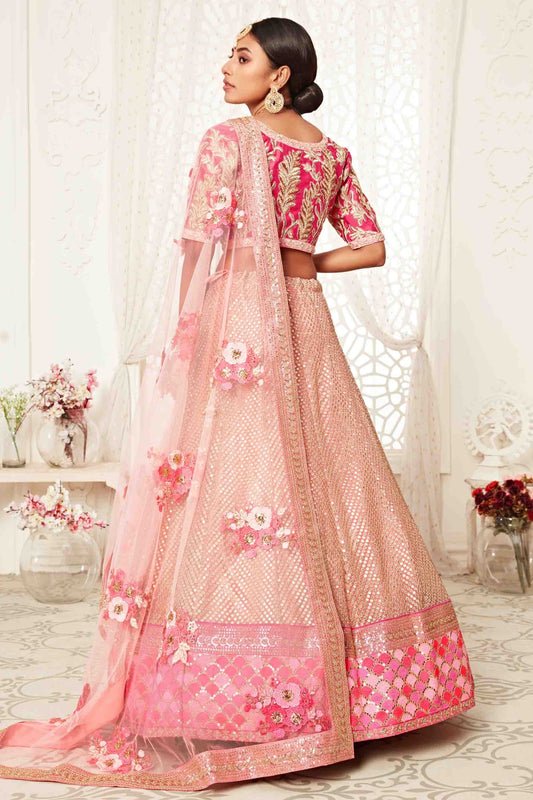
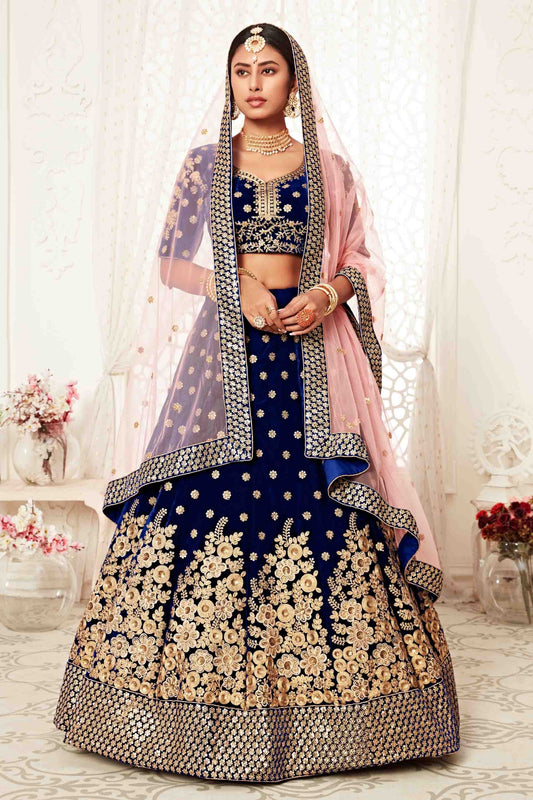
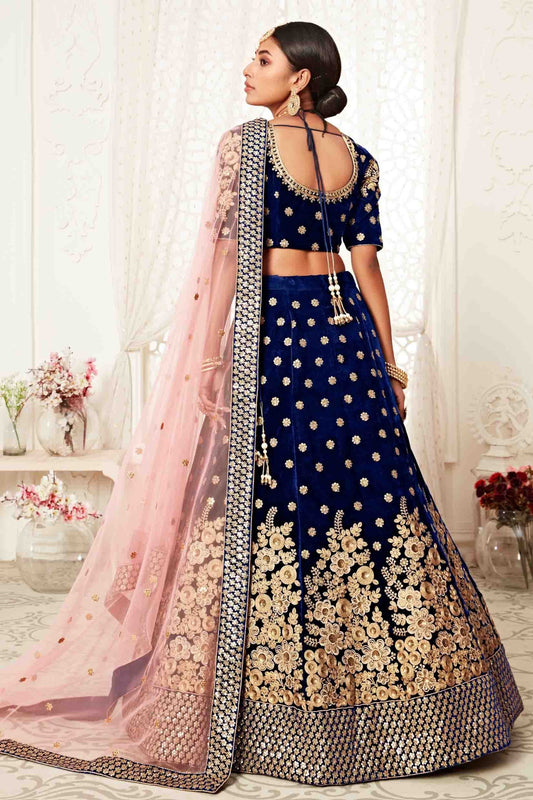
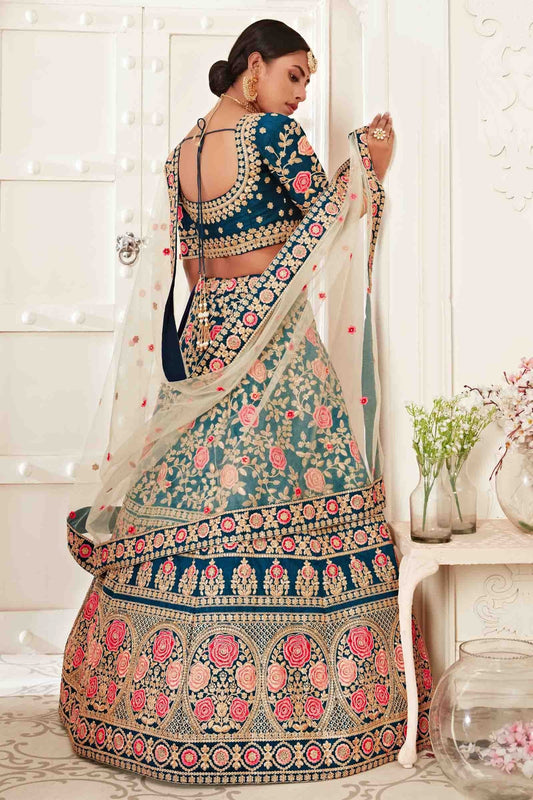
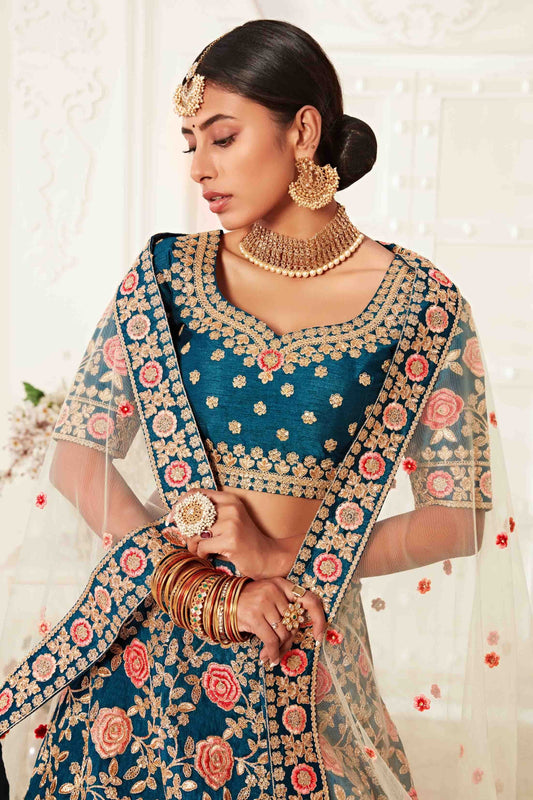
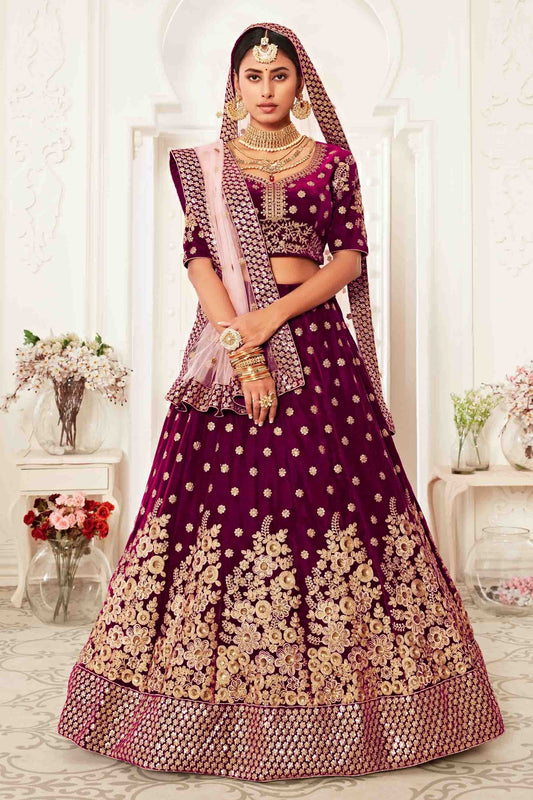
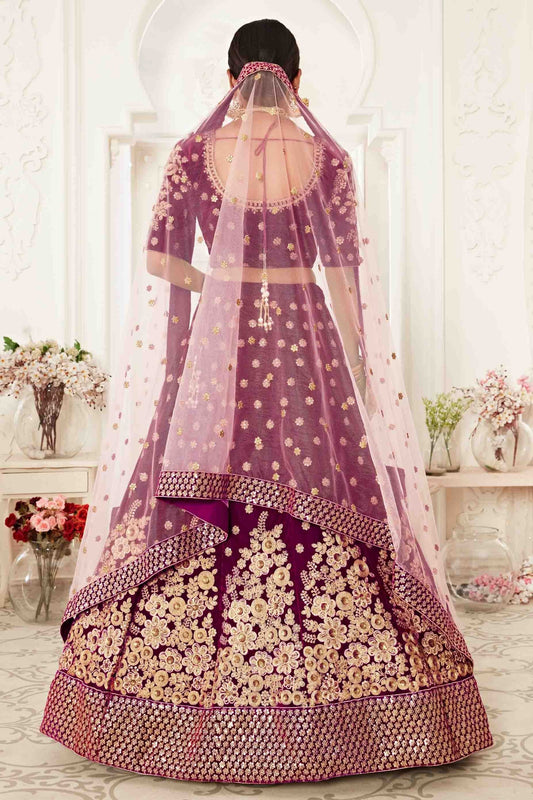
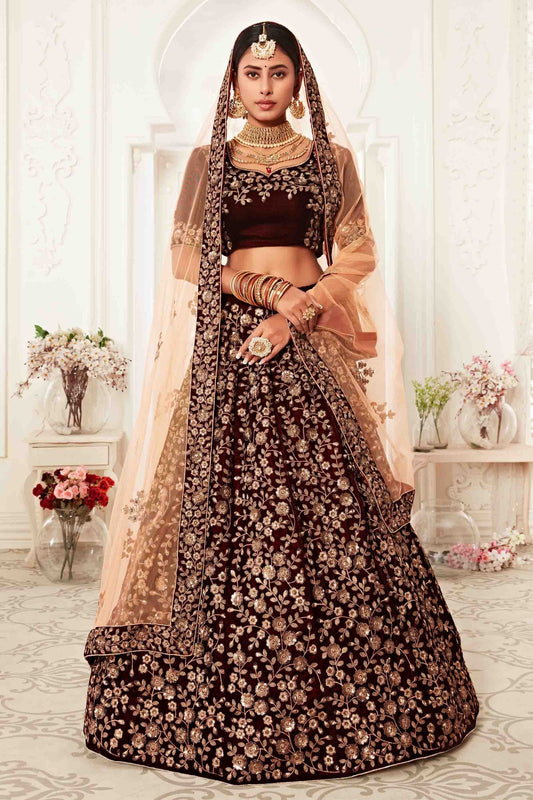
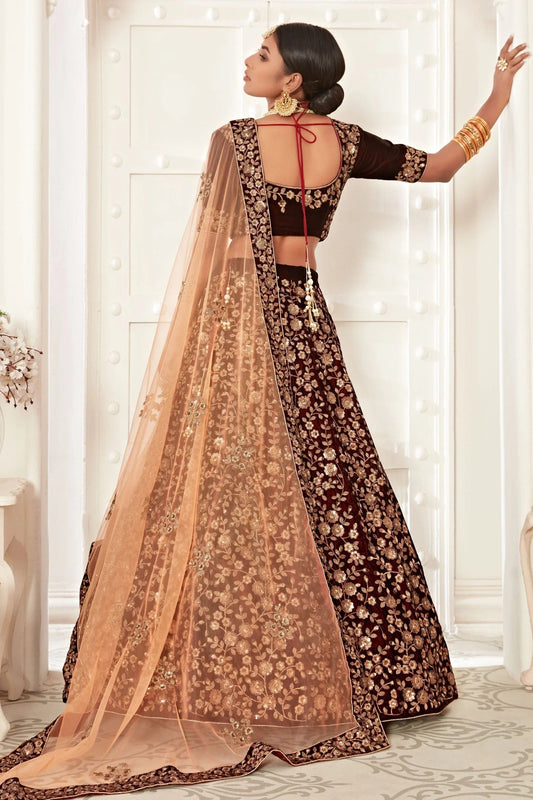
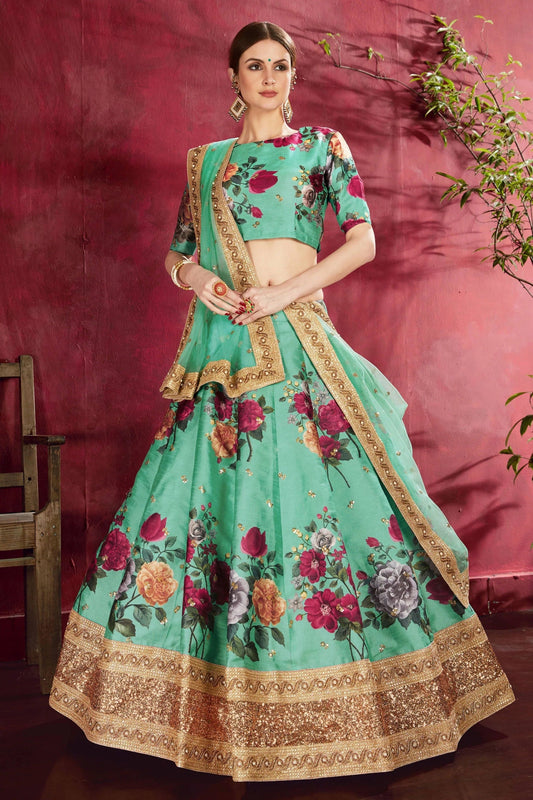
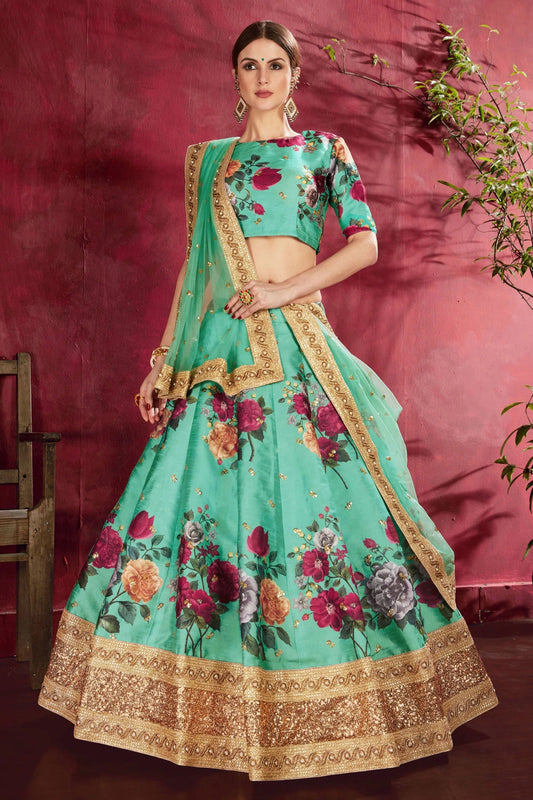
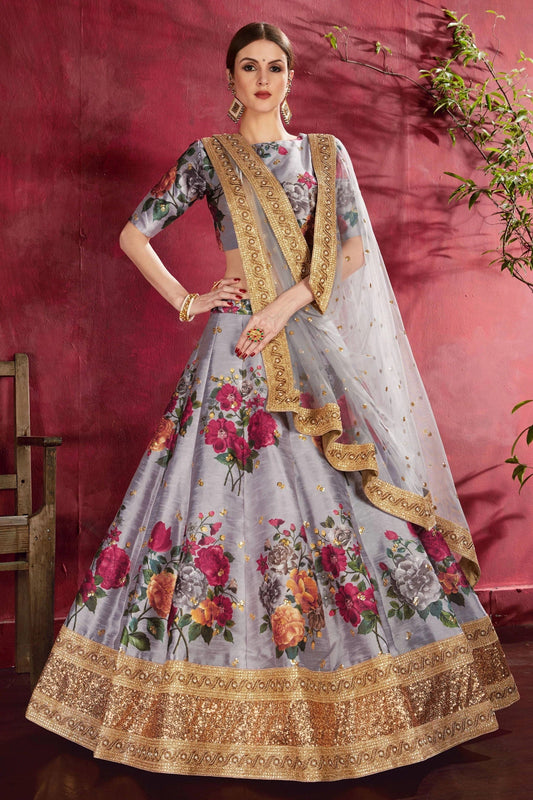
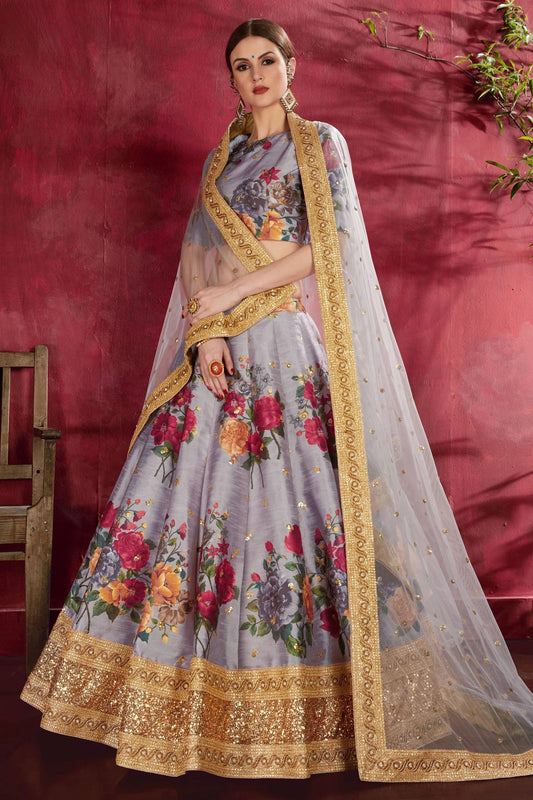
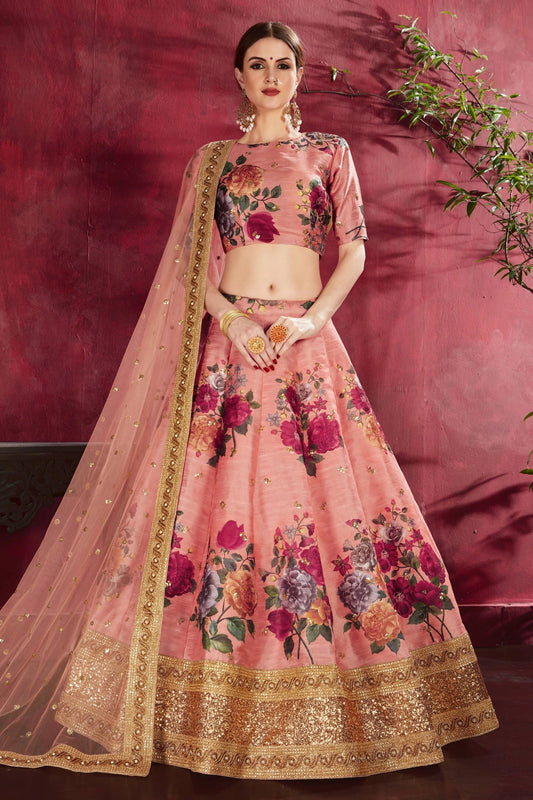
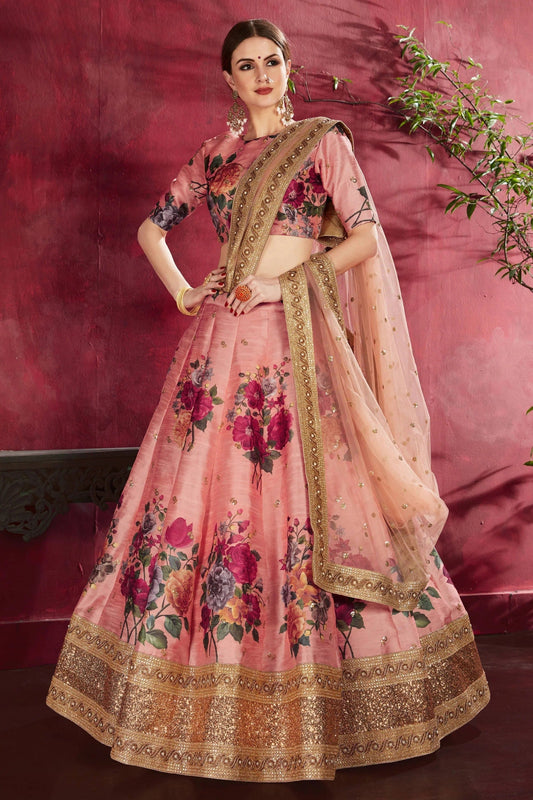
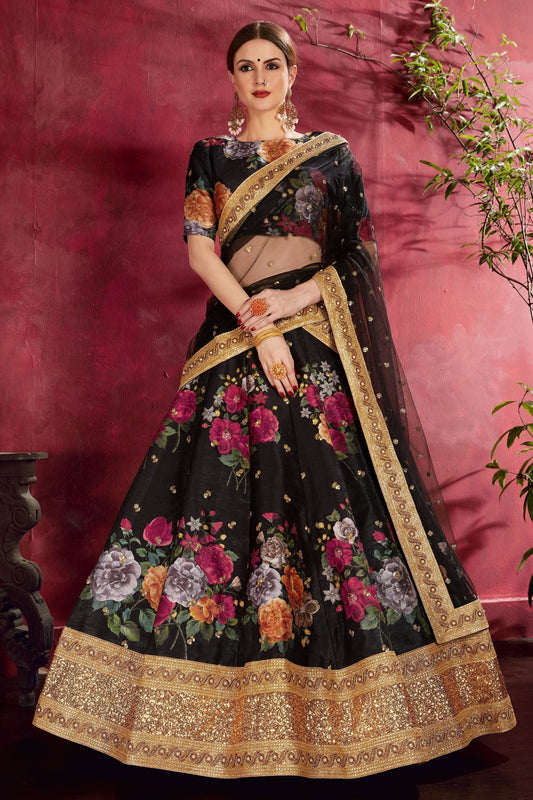
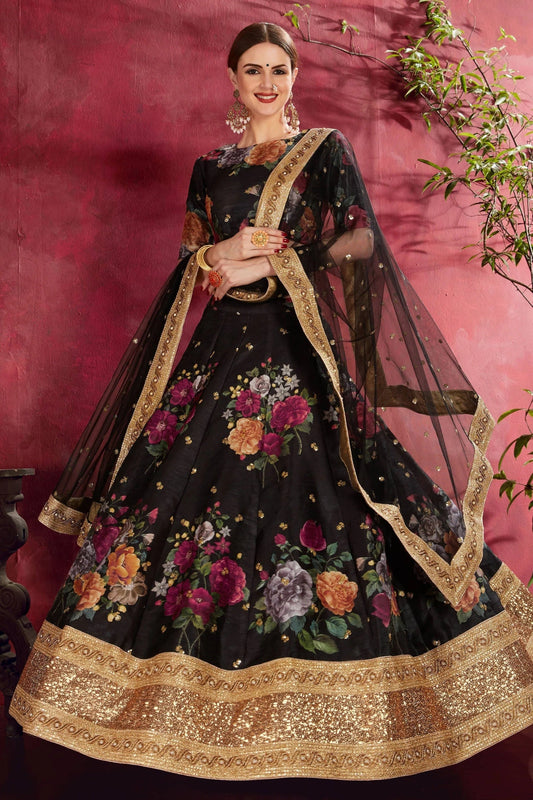
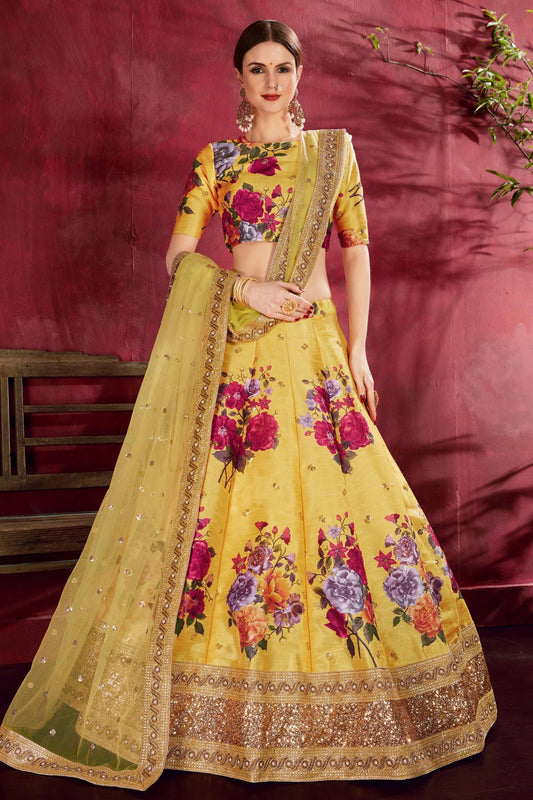
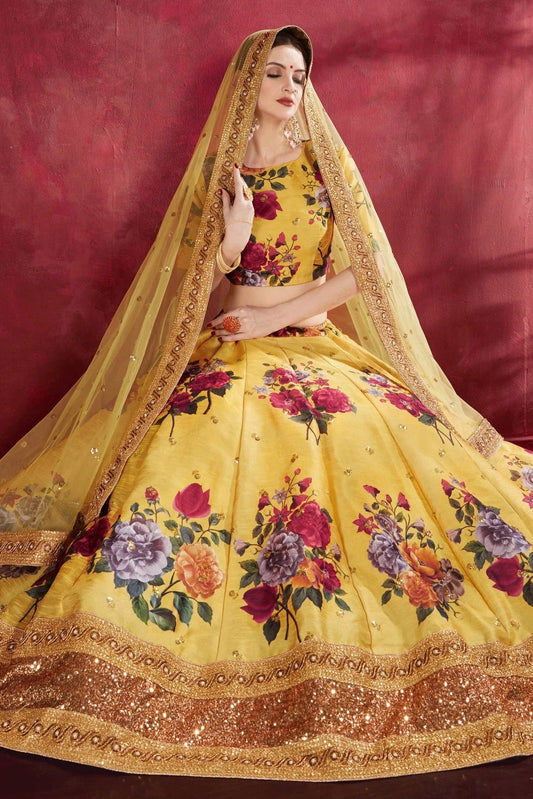
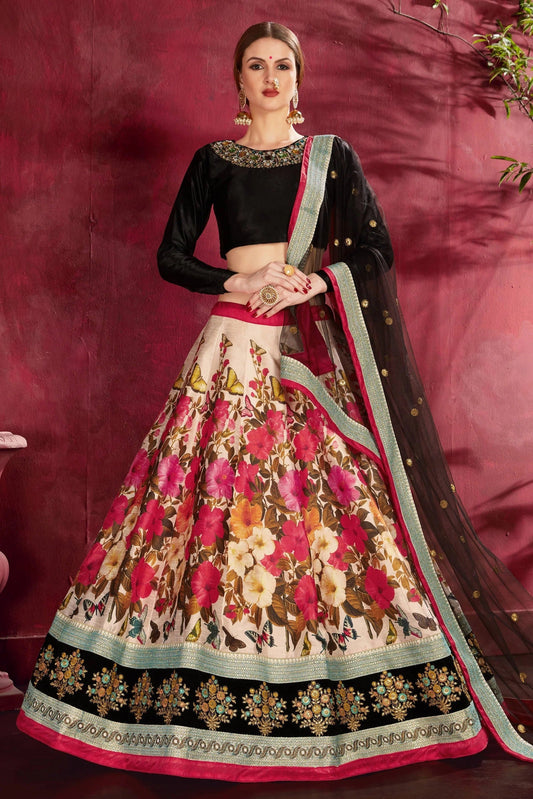
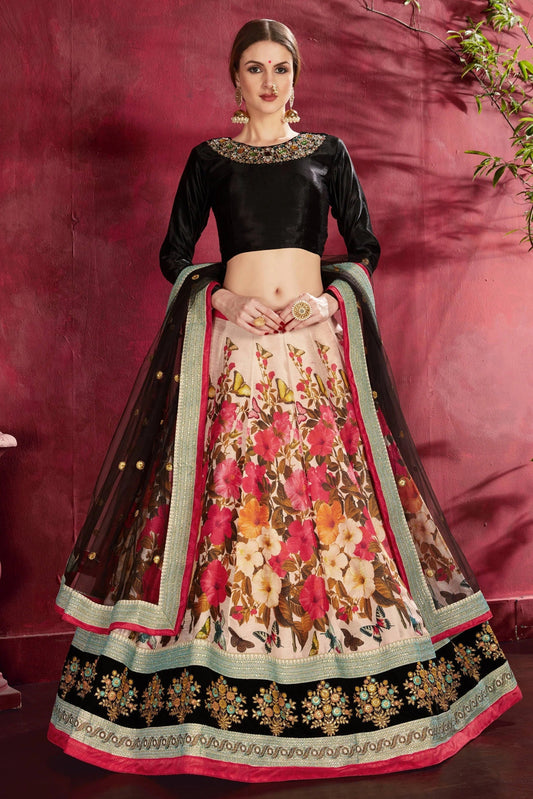
Many grooms today shop online because it gives them space to think. On Ninecolours, you can scroll through sarees, suits, lehengas, and gowns without ten people giving opinions at once. You can pause. You can imagine her wearing it. That pause matters more than people realise.
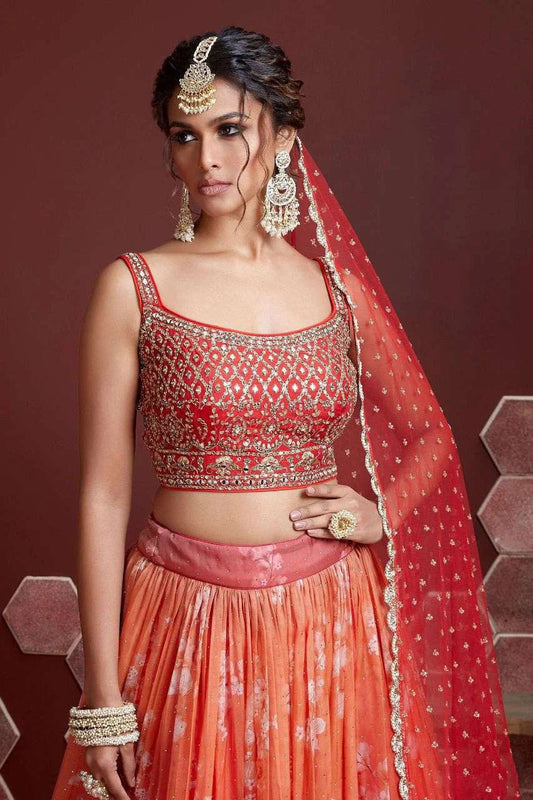
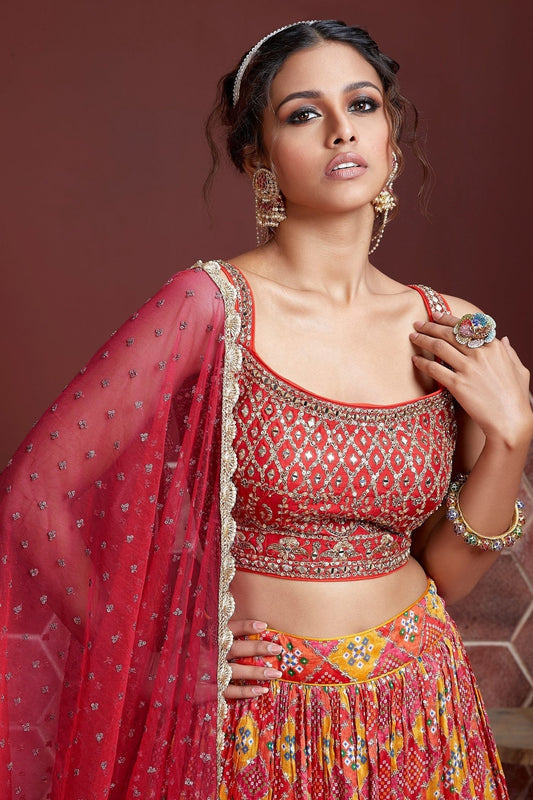
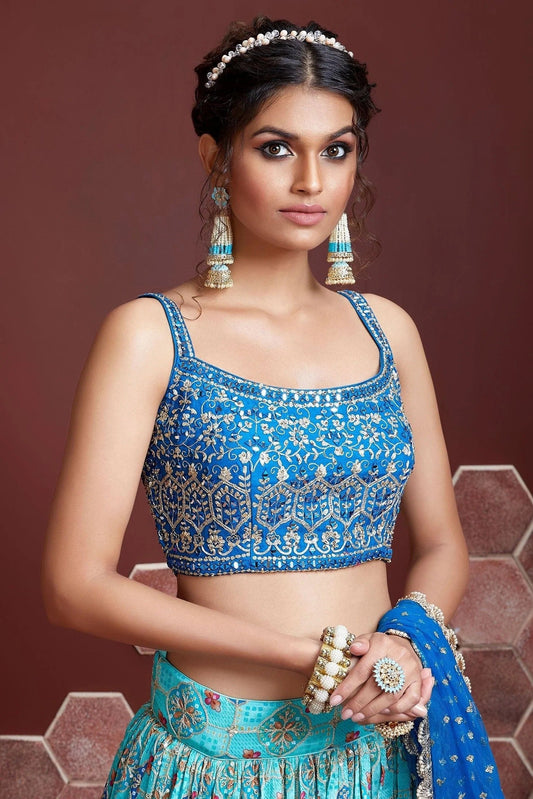
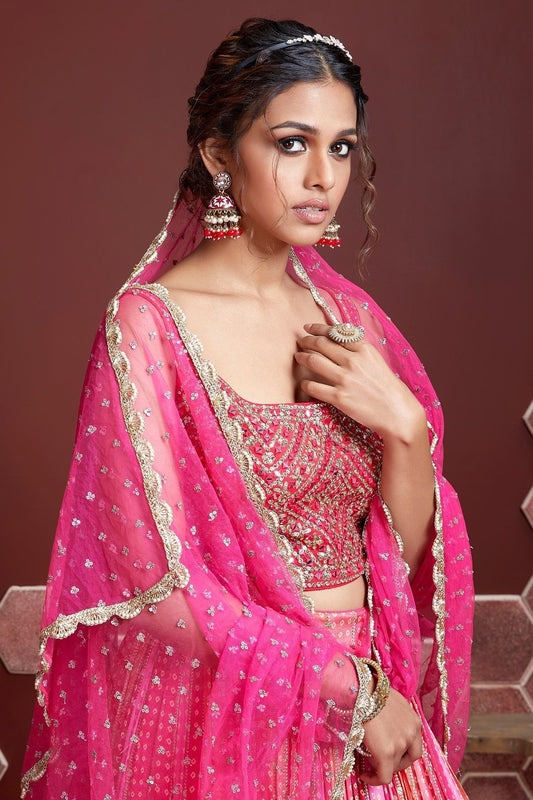
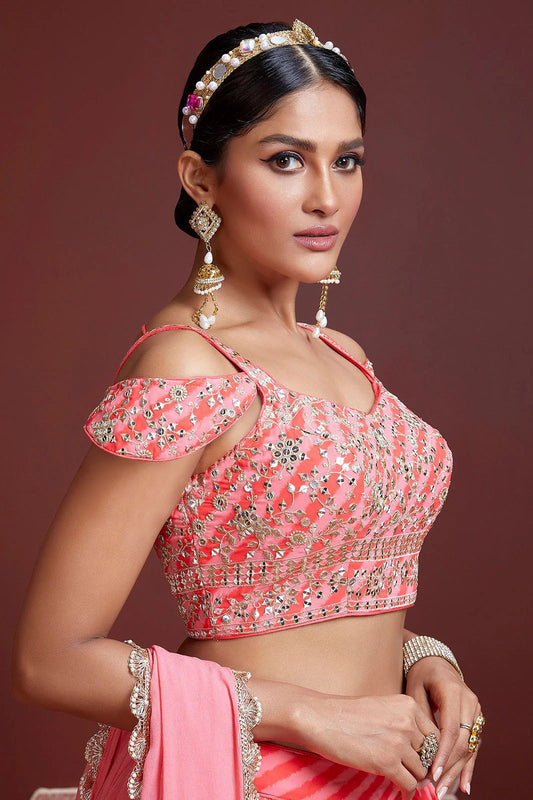
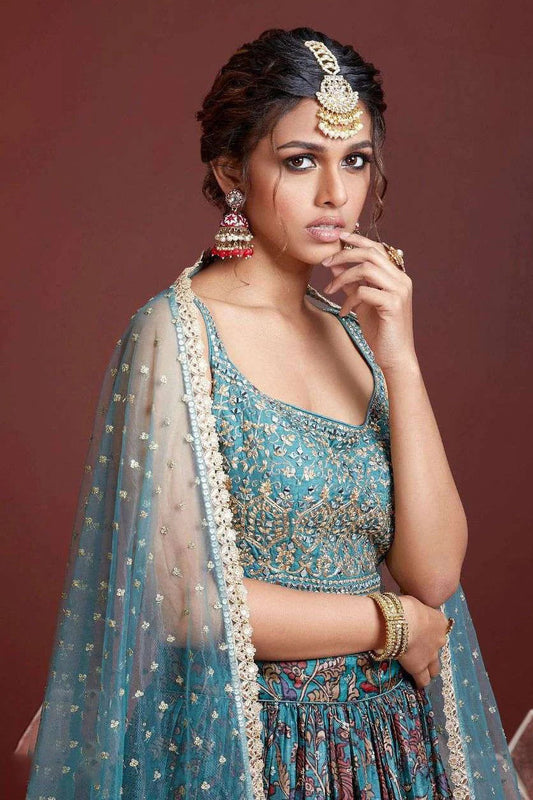
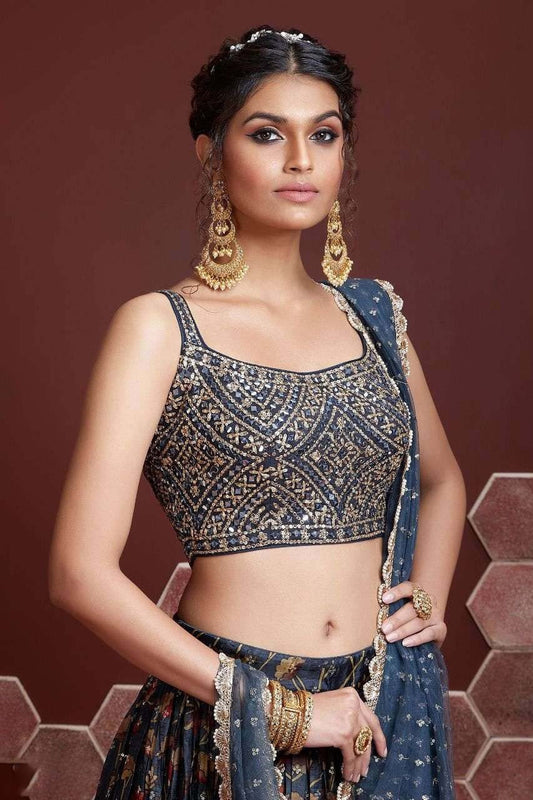
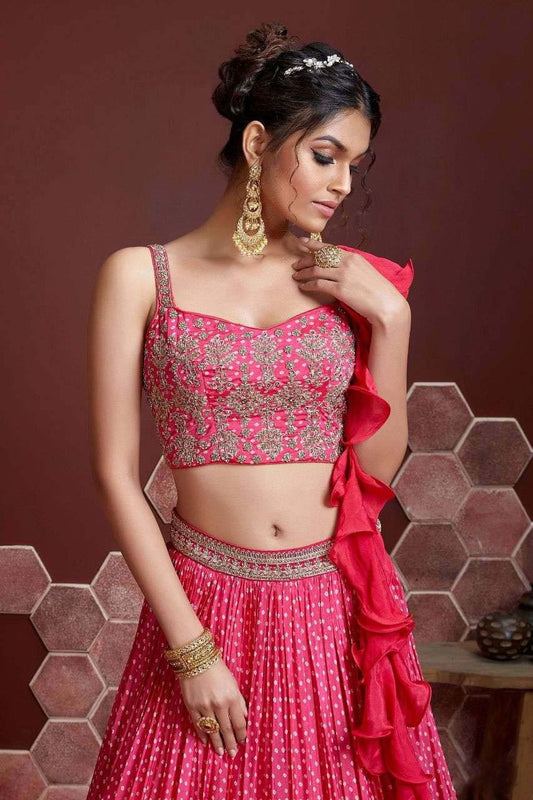
Jewellery is another strong choice, but not everyone wants heavy pieces. Many brides prefer something elegant and wearable. Earrings she can wear with both sarees and suits. A necklace that doesn’t demand a special occasion. Thoughtful jewellery often outlives expensive jewellery in daily relevance.
Gifts From In-Laws Carry Unspoken Meaning
When a bride receives gifts from her in-laws, she reads between the lines. Not consciously, but emotionally.
A saree from her mother-in-law often becomes special, even if it’s simple. A salwar suit from a bua becomes something she wears when visiting that side of the family. Bangles from a chachi quietly mark acceptance.
Traditional outfits are still the strongest option here. They don’t confuse anyone, and they rarely disappoint.
Salwar suits remain the most practical gift. Brides wear them during the early days when they are meeting extended family, adjusting to routines, and attending small gatherings. Soft fabrics, decent stitching, and wearable colors matter more than heavy embroidery.
Anarkali suits continue to be popular for a reason. They flatter most body types and feel festive without being overbearing. Many brides end up wearing gifted Anarkalis for years, especially during festivals.
Sarees are timeless. A bride may receive several during her wedding, but each one carries a different memory. The one gifted by her in-laws often stays separate in her cupboard, carefully folded, sometimes worn only on meaningful occasions.
Ninecolours works well for in-law gifting because the collection feels balanced. Not overly bridal. Not too casual. Just right for someone starting a new phase of life.
Fashion Jewellery That Actually Makes Sense
Gold has its place, but not every gift needs to be precious metal. Well-made fashion jewellery is practical, versatile, and often more appreciated than people admit.
A bride needs jewellery she can wear without planning a full outfit around it. Earrings that go with multiple suits. Bangles that don’t feel heavy. A pendant she can wear even on normal days.
The only thing that matters here is quality. Cheap-looking jewellery never feels good to receive. But sturdy, thoughtfully designed pieces? Those stay in rotation.
Many families now choose fashion jewellery along with clothing. It completes the gift and gives the bride styling options she’ll actually use.
Why Clothes Are More Emotional Than We Think
Clothes are personal. Someone had to imagine her wearing them. That imagination is felt.
The suit she wears when she cooks her first meal in her new home.
The saree she chooses for her first festival after marriage.
The gown she saves for a dinner night months later when life feels normal again.
These outfits mark moments.
That’s why gifting ethnic wear matters so much. It grows with her. It shows up in photos. It becomes part of stories.
Ninecolours focuses on outfits that fit real lives. Not just photoshoots. The cuts, fabrics, and designs work for movement, long days, and repeat wear. That’s important, especially for a bride who suddenly has a calendar full of family events.
The Joy of Unexpected Gifts
There’s something magical about surprise deliveries.
Ordering a saree or suit online in the bride’s name and letting it arrive without warning creates a moment no ceremony can match. No spotlight. No crowd. Just her opening a package and smiling to herself.
Online gifting through Ninecolours makes this easy. You don’t need to coordinate timings or worry about carrying boxes. The gift reaches her directly, quietly, and memorably.
Those are the gifts that get talked about later. Not loudly, but fondly.
Gifting Isn’t About Obligation
At its core, gifting a bride after marriage isn’t about customs or expectations. It’s about comfort.
A bride is adjusting to a new surname, a new house, a new way of being seen. A thoughtful gift tells her she’s not alone in that adjustment.
The best gifts don’t try to impress. They try to belong.
Something she can wear again.
Something that feels like it understands her.
Something that reminds her she’s welcomed, not just accepted.
Years from now, she may not remember who attended which function. But she will remember the saree that fit perfectly. The suit that felt easy. The jewellery she still wears without thinking.
That’s the kind of gift worth giving.
And that’s exactly why choosing from a place like Ninecolours makes sense. Because when clothing and gifting meet intention, the result isn’t just an outfit. It’s a memory that stays.
FAQs